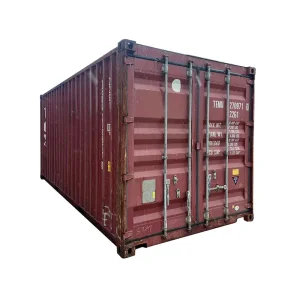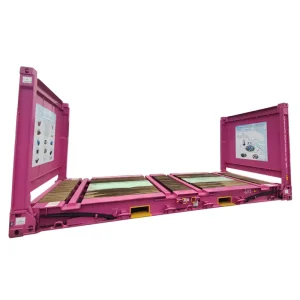
Certified Fleet Portfolio
Featured Industrial & Open-Architecture Logistics Units
Explore our precision-fabricated platform frame containers, specialized cold chain reefers, and certified offshore handling equipment built to rigorous ISO and DNV specifications.
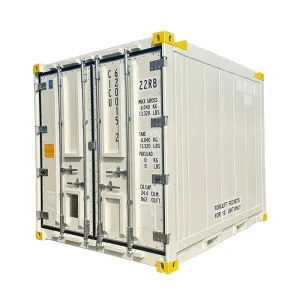
High-Quality New 10ft Certified Thermo King Freezer Container Exporter, Manufacturers
View Product Specs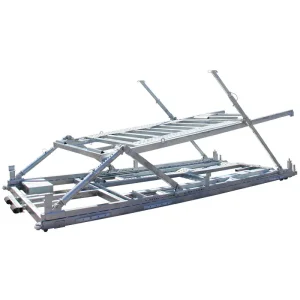
China vehicle transport rack Product, Exporters
View Product Specs
Buy New Half Height Ore Carrier Container Offshore Container Manufacturers, Quotes
View Product Specs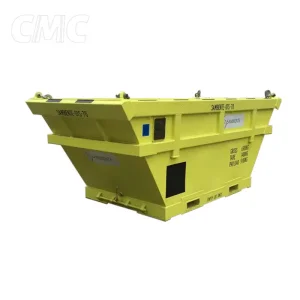
Famous DNV Certification Silt Basket Container Used in Offshore Operations Factories, Exporters
View Product Specs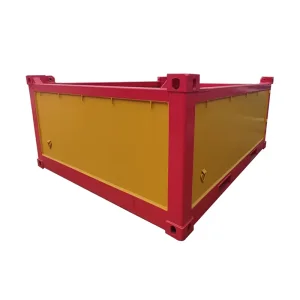
High-Quality New Offshore Basket Container for Offshore Operations Exporter, Exporters
View Product Specs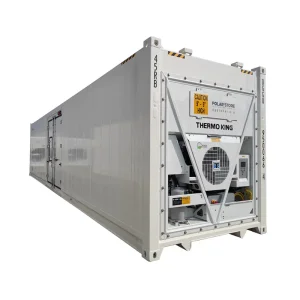
Famous 40ft High-Cube Side Open Door Reefer Container Manufacturer, Factories
View Product Specs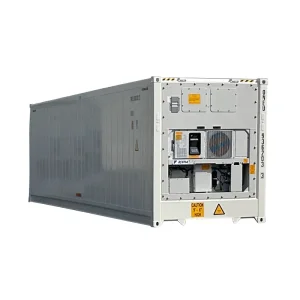
OEM New 40ft High-Cube Daikin Freezer Container Cold Storage Room Manufacturer, Products
View Product Specs
Engineering White Paper
Structural Architecture of Industrial Soft Open Top Containers
Unlike conventional general cargo dry vans (GP) bound by a rigid corrugation steel roof, OEM Soft Open Top (OT) containers solve the mechanical limitation of top-tier crane loading for oversized, dense, and non-standard freight.
Removable Rear Header Assembly
The distinguishing mechanical innovation of the soft open top container is the swingable and fully removable rear roof header (transverse end rail). Fabricated from structural Corten steel (SPA-H), it can swing out 90 degrees or detach completely during overhead gantry loading. This prevents clearance clashes when lowering tall cylindrical turbines, heavy crated lathes, or long steel girders into the cargo bay.
High-Tensile PVC Tarpaulin & Bows
Equipped with heavy-gauge, flame-retardant, and UV-stabilized PVC tarpaulin (minimum 650g/m² to 900g/m²). The canvas is arched over high-strength transverse steel roof bows. These cambered bows not only support the tarpaulin against aerodynamic wind shear and heavy precipitation ponding, but also tie the container's top side rails together to counteract outward lateral deflection under extreme dynamic sea states.
TIR Customs Sealing System
International cross-border compliance demands continuous customs security. Our tarpaulin edges feature heavy-duty grommets reinforced with internal eyelets, laced through with a continuous high-tensile steel TIR cord protected by transparent PVC coating. The cord endpoints are secured into dedicated customs locking brackets, satisfying Transports Internationaux Routiers (TIR) seal integrity across international railway and marine border checkpoints.
| Dimensional Metric | 20ft Soft Open Top (Standard) | 40ft Soft Open Top (Standard) | 40ft High Cube Soft Open Top (HQ) |
|---|---|---|---|
| External Dimensions (L × W × H) | 6,058 × 2,438 × 2,591 mm | 12,192 × 2,438 × 2,591 mm | 12,192 × 2,438 × 2,896 mm |
| Internal Loading Bay (L × W × H) | 5,898 × 2,352 × 2,348 mm | 12,032 × 2,352 × 2,348 mm | 12,032 × 2,352 × 2,655 mm |
| Roof Opening Dimensions (L × W) | 5,438 × 2,230 mm | 11,570 × 2,230 mm | 11,570 × 2,230 mm |
| Removable Header Door Height | 2,280 mm clear passage | 2,280 mm clear passage | 2,585 mm clear passage |
| Tare Weight (±2%) | 2,450 kg (5,400 lbs) | 3,850 kg (8,487 lbs) | 4,200 kg (9,259 lbs) |
| Max Gross Weight (Rating) | 30,480 kg (67,200 lbs) | 32,500 kg (71,650 lbs) | 34,000 kg (74,950 lbs) |
| Floor Structural Load Capacity | 28mm marine-grade plywood (7,260kg axle) | 28mm hardwood / bamboo composite (ISO 1496) | Reinforced 4.5mm Corten checkered steel optional |
| Tarpaulin Specification | 650 gsm PVC Coated | 900 gsm Panama Weave | Heavy Duty Cold-Resistant (-40°C) |
Operational Topography
Localized Application Scenarios in Modern Heavy Industry
From transcontinental mining corridors to offshore drilling logistics, the OEM soft open top container serves as an essential bridge between bulk shipping economics and multimodal container vessel cellular guides.
Mining Machinery & Drill Rigs
In regions such as Western Australia, the Copperbelt of Central Africa, and the Chilean Andes, continuous mining machinery, drill rig heads, and ball mill liners exceed standard box door clearances. Soft open top containers permit fast overhead mobile crane drop-ins, utilizing heavy internal lashing rings (rated up to 4,000 kg WLL each) welded directly to the bottom side rails.
Substation Transformers & Energy
Electrical grid expansions across Europe and North America rely on 10kV-110kV oil-immersed distribution transformers. These high-density, top-heavy cargo units cannot be tipped or slid horizontally through standard container end doors. Crane-loaded soft open tops with specialized wooden timber dunnage blocks maintain zero center-of-gravity shifts during maritime rolling.
Marble, Quartz & Float Glass
Transporting colossal marble monoliths from Carrara, Italy, or raw granite sheets across Southeast Asia involves high vertical hoist lifters. The soft top configuration allows vacuum-suction gantry cranes to drop heavy stone slabs straight onto customized A-frame racks bolted securely through the container's 28mm hardwood floor planks.
Breakbulk-to-Container Shift
Global terminal handling charges (THC) and breakbulk liner rates have surged. Logistics directors leverage open top containers to convert awkward breakbulk cargo (long pipes, agricultural combines, marine winches) into standard cellular vessel slot cargo, drastically lowering freight costs while retaining full marine insurance coverage.
Industrial Ecosystem
China Supply Chain Resilience & Manufacturing Efficiency
The production of customized OEM open-top containers demands immediate access to high-grade metallurgical resources, specialized heavy stamping tooling, and deep coastal maritime connectivity.
Corten Steel SPA-H Metallurgy
Our manufacturing facilities in Tianjin and Jiangsu leverage direct vertical partnerships with China's leading metallurgical steel mills. Every OEM soft open top is formed exclusively from genuine atmospheric corrosion-resistant Corten steel (SPA-H grade). When scratched at sea, Corten naturally forms an impermeable, dense patina oxide barrier that impedes deep rust penetration, tripling service lifespans under heavy oceanic salt-spray exposure.
Robotic Laser Cutting & Shot Blasting
Container dimensional integrity requires sub-millimeter tolerances. Corner castings (ISO 1161 compliant) and door posts undergo automated robotic dual-torch CO2 submerged arc welding. Prior to coating, the entire bare steel chassis enters an automatic centrifugal shot-blasting chamber to achieve Swedish Standard Sa 2.5 surface cleanliness, completely eradicating scale and ensuring a 100% molecular bond with zinc-rich epoxy primers.
100 km Port Radius Dispatch
Logistical lead time predictability is paramount. Our assembly hubs are positioned strictly within a 100-kilometer radius of Tianjin Port (Bohai Rim) and Shanghai/Taicang ports (Yangtze River Delta). This eliminates expensive inland drayage surcharges, mitigates road transport permit bottlenecks for OOG units, and allows newly fabricated empty soft open tops to be directly injected into active export vessel bookings.
Macro Logistics Economics
Global Commercial Landscape: OOG vs Containerization
Navigating the total cost of ownership (TCO) between pure breakbulk charters, flat rack containers, and soft open top boxes requires deep understanding of slot utilization and port operations.
Slot Stacking & Freight Optimization
When cargo height remains strictly within standard ISO limits (In-Gauge), a soft open top container with its roof bows and tarpaulin firmly secured can be slotted into standard below-deck container cell guides, allowing regular container stacks to be placed on top (rated for standard 9-high stacking under ISO 1496-1, bearing 216,000 kg corner post compression). This yields standard container freight rates rather than punitive out-of-gauge surcharges.
Demurrage & Port Gantry Turnaround
Traditional breakbulk cargo requires specialized floating cranes, extended quayside rigging times, and high stevedoring labor costs. In contrast, soft open top units are handled by standard ship-to-shore (STS) container gantry spreaders. Quay turnaround cycles average under 90 seconds per box, mitigating port congestion detention penalties and demurrage exposure across global gateway hubs.
Protection Against Marine Weather
Compared to flat rack platforms where cargo flanks remain exposed to oceanic sea-spray, salt incrustation, and direct weather hazards, the soft open top provides four solid Corten steel walls with robust corrugated profiles. Industrial cargo receives 360-degree perimeter physical containment and anti-theft defense, while top cargo remains hermetically shielded beneath multi-layer vulcanized tarpaulin.
Future Innovations
Technology Roadmap: Next-Generation Soft Open Tops
Our engineering laboratory is driving innovations in real-time sensor telematics, ultra-high-strength metallurgy, and eco-friendly circular polymers to enhance global cargo security.
PHASE 01 · CURRENT DEPLOYMENT
IoT Telemetry & Tarpaulin Strain Sensors
Integrated solar-powered micro-sensors embedded inside the tarpaulin hem line monitor tension changes, unauthorized slash tampering, and internal ambient temperature/humidity, feeding live status updates via satellite GPS to buyer logistics clouds.
PHASE 02 · NEAR-TERM Q3/Q4
High-Yield Steel Lightweighting
Progressing from standard SPA-H to Q460/Q550 high-yield alloy components on upper side rails and bottom sills. This design reduces container tare weight by 14% without compromising racking or stacking structural integrity, instantly increasing allowable net cargo payload.
PHASE 03 · 2026 HORIZON
Bio-Circular TPU Waterproof Covers
Replacing conventional petroleum PVC tarpaulins with 100% recyclable thermoplastic polyurethane (TPU) reinforced with basal-fiber textiles. Eliminates chlorinated off-gassing, provides -50°C arctic flexibility, and slashes embodied carbon lifecycle emissions by 38%.
PHASE 04 · ADVANCED R&D
Automated Accordion Roof Actuation
Developing pneumatic/mechanical quick-draw roof mechanisms that fold the tarpaulin and camber bows accordion-style to one end in under 45 seconds via ground-level hand ratchets, entirely eliminating operator need to climb onto container ladders during stevedoring.
Audited Conformity
Localized Regulatory Support & International Standards
Every OEM soft open top container manufactured leaves our floor certified by elite classification societies, ready for immediate global deployment.
CSC Safety Approval Plate
Containers carry an anti-corrosive stainless steel International Convention for Safe Containers (CSC) data plate. Certified by Bureau Veritas (BV), ABS, or Lloyd’s Register (LR), verifying proof of transverse racking (150 kN), vertical floor payload deflection, end-wall strength, and stacking capability.
UIC & AAR Rail Intermodal Proof
Rail transit subjects open top containers to distinct buffing impact forces. Our units fulfill UIC 592 guidelines for trans-Eurasian rail freight corridors (China-Europe Railway Express) as well as Association of American Railroads (AAR) structural longitudinal shock tests up to 2G dynamic impact.
TIR Customs & Timber Fumigation
Fitted with full Customs Convention on the International Transport of Goods under Cover of TIR carnets certification. In addition, all floor timber is treated in strict accordance with the Australian Department of Agriculture, Fisheries and Forestry (DAFF) and IPPC ISPM 15 quarantine standards.
Procurement Knowledge Base
Frequently Asked Technical & Commercial Questions
Detailed answers for project freight forwarders, container leasing companies, and EPC logistics engineers regarding OEM Soft Open Top container specification and operation.
What is the structural difference between a Soft Open Top and a Hard Open Top?
A Hard Open Top container features a detachable corrugated steel roof panel that requires a container gantry crane or high-capacity forklift to lift off and on. A Soft Open Top container utilizes removable steel bows covered with a flexible, high-tensile PVC tarpaulin. Soft tops offer significant advantages in tare weight (providing 300 to 500 kg more payload), lower initial acquisition cost, faster manual folding without heavy lifting gear, and the ability to accommodate minor cargo over-height bulge under special out-of-gauge tarpaulin provisions.
Can OEM Soft Open Top containers be customized with specialized lashing points?
Yes. As an engineering-first OEM manufacturer, we regularly modify interior lashing arrangements. Standard units include approximately 16 to 28 recessed lashing rings along the lower side rails rated at 1,500 kg to 2,000 kg each. For extra-heavy machinery, mining rollers, or power equipment, we weld high-tensile forged D-rings rated at 4,000 kg to 5,000 kg WLL (Working Load Limit) directly into the bottom corner posts, lower side rails, and corner castings with certified finite element analysis (FEA) approval.
How does the swingable removable rear header maintain watertight integrity?
The swingable rear header uses heavy-duty stainless steel hinge pins and double-lipped EPDM rubber gaskets that seat into a precision-machined water-shedding gutter. When closed, locking pins securely dog the header down to the rear corner posts. The heavy-duty PVC tarpaulin overhangs the header gutter with a dual-flap drainage lip secured by the TIR customs cable, preventing dynamic rain or sea spray ingress even in gale-force marine transit.
What flooring configurations are offered for extreme heavy equipment transport?
Our standard production utilizes 28mm certified marine-grade 19-ply hardwood or high-density bamboo-wood composite plywood treated to satisfy Australian quarantine standards. For concentrated industrial point loads (such as tracked excavators, heavy wire coils, or molten metal skids), we offer OEM configurations with 4.5mm to 6.0mm Corten steel checkered floor plates, reinforced underneath with closely spaced longitudinal crossmembers (hot-rolled steel channel sections pitched every 250mm).
Can loaded Soft Open Top containers be stacked on ocean vessels?
Yes, provided the cargo is "In-Gauge" (does not protrude above the upper plane of the top side rails and corner castings), and the steel roof bows and tarpaulin are fully positioned. Under ISO 1496-1 specifications, our soft open top containers are engineered to withstand standard 9-high container ship cell guide stacking loads (up to 216,000 kg static compression on the four corner posts). If cargo is Out-of-Gauge (over-height), the container must be positioned as a top-tier stow or on an open-weather deck slot.
What is the standard production lead time and minimum order quantity (MOQ)?
Standard production runs for customized OEM batches typically feature an MOQ of 10 to 20 units (TEU). Typical engineering drawing approval takes 3 to 5 business days, followed by sample prototype review. Mass production cycles typically require 20 to 35 calendar days depending on seasonal steel mill rolling schedules. Finished containers are staged at our Tianjin or Suzhou logistics staging hubs for pre-shipment inspections and rapid port loading.
Comprehensive Fleet Stock
Engineered Containers, Tank Solutions & Cooling Units
Discover our complete range of specialized equipment including hard open top shipping units, railway intermodal reefers, liquid tank containers, and secondary port inventory.
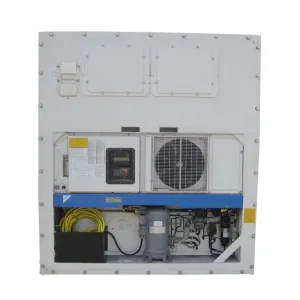
Buy Refrigeration Equipment /Cooling Unit For Refrigerated Containers Products, Exporters
View Product Specs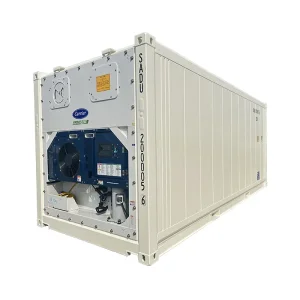
High-Quality New 40ft High Cube Carrier Refrigerator Freezer Cold Room Product, Exporters
View Product Specs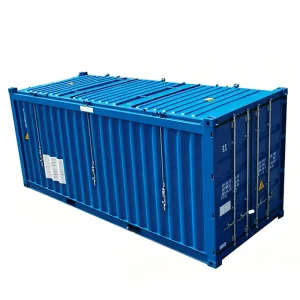
China 20ft New Hard Open Top Shipping Container Manufacturer, Factories
View Product Specs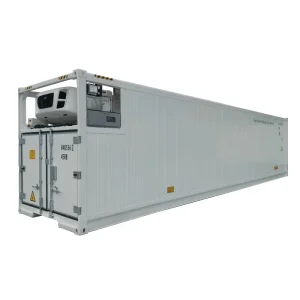
Famous New 40-foot high cube & 45-foot "Belt and Road" railway refrigerated container. Product, Products
View Product Specs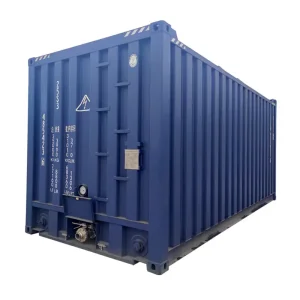
Buy New 20ft Square Liquid Container Factory, Product
View Product Specs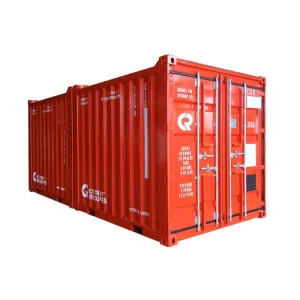
Buy New DNV Certification Offshore Dry Cargo Container Factory, Product
View Product Specs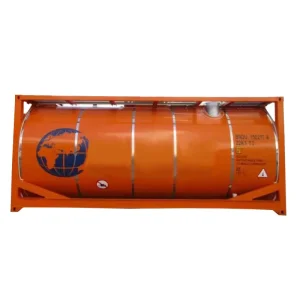
China 20 Foot ISO Liquid Tank Container for Water Manufacturer, Product
View Product Specs