
Primary Specialized Lineup & Cold Chain Modules
Pre-engineered standard and custom configurations engineered for heavy-duty marine, intermodal rail, and specialized cold chain transport.
Next-Generation Special Containers: Beyond Standard Dry Boxes
How specialized enclosures have transformed from passive cargo cells into complex electro-mechanical, thermal, and chemical engineering platforms.
Grid-Scale BESS Enclosures
The global transition to renewable microgrids has spurred unprecedented demand for customized Battery Energy Storage System (BESS) containers. Unlike basic shipping containers, these units integrate NFPA 69 explosion mitigation, aerosol fire suppression, structural floor channeling engineered to bear over 45 metric tons of lithium-ion racks, and precision liquid-cooling chiller loops.
Cryogenic & Deep-Chill Systems
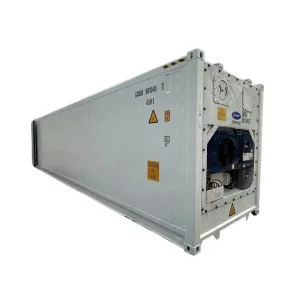
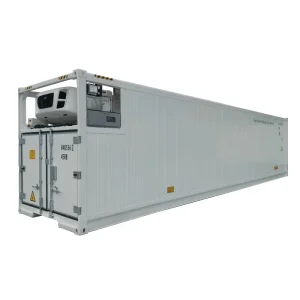
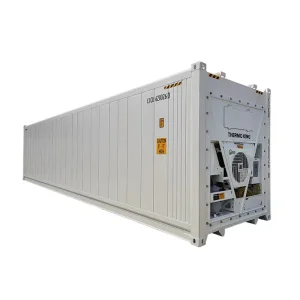
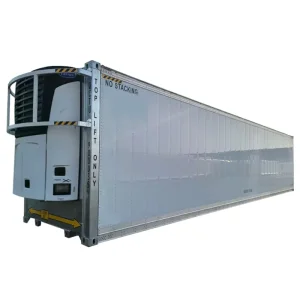
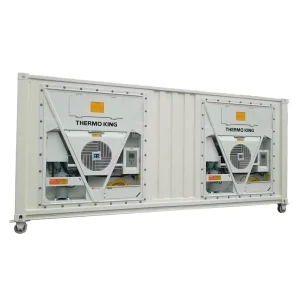
Pharmaceutical cold chains and high-value biologics transport demand absolute thermal repeatability down to -70°C. Modern blast reefer containers incorporate multi-stage scroll compressors, advanced vacuum insulation panels (VIP), and automated dual-redundancy refrigerant circuits (R-452A / R-134a) capable of holding cold limits through 72 hours of uninterrupted blackouts.
Corrosive & Gas Fluid Transport
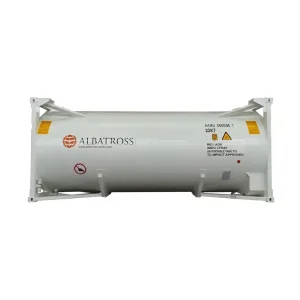
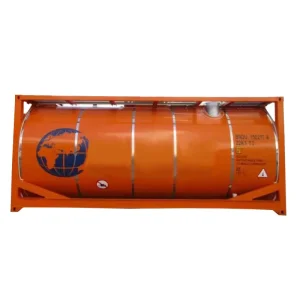
Transporting pressurized liquefied gas and dangerous chemical agents requires T50 and T11 ISO tank architectures fabricated with specialized SUS316Ti or coated carbon steel. Modern developments include baffled surge-dampening geometries, pneumatic remote-trip emergency release valves, and integrated heating coils (steam and electric) for high-viscosity reagents.
Enterprise Procurement Dynamics: Mitigating Operational Risk & TCO
Why Tier-1 logistics conglomerates and EPC contractors evaluate Total Cost of Ownership (TCO) over initial sticker prices.
In global containerized infrastructure procurement, the delta between initial capital expenditure (CAPEX) and lifetime operational expenditure (OPEX) is governed by metallurgical purity, corrosion barrier longevity, and thermal transfer efficiency. Procuring low-cost standard converted containers for harsh industrial applications consistently yields accelerated degradation, micro-fracturing under cyclic dynamic torsional stresses during multimodal transit, and severe thermal bridging that destroys sensitive cold-chain cargo or overheats battery racks.
Corporate procurement officers and logistics engineering directors must address three fundamental vectors when drafting requests for proposal (RFPs) for custom OEM containers:
Structural Resiliency (Corten-A)
Specification of genuine SPA-H or Corten-A weathering steel across all corner posts, side rails, and header channels. The dense oxide patina prevents progressive atmospheric oxidation even in high-salinity C5-M marine exposure zones.
Thermodynamic Integrity (K-Value)
Verification of thermal transmission ratings (λ ≤ 0.024 W/m·K). High-density cyclopentane-blown polyurethane foam insulation eliminates heat ingress, preventing reefer compressors from running continuously at maximum amperage draw.
Statutory Classification Societies
Direct issuance of Type Approval Certificates and CSC Safety Plates from internationally recognized classification bodies including Bureau Veritas (BV), Det Norske Veritas (DNV GL), Lloyd's Register (LR), and ABS.
By enforcing precise tolerances during the 3D CAD and finite element analysis (FEA) phases, CIMIC Group ensures that structural deflections under maximum racking loads (up to 150 kN transverse forces) do not exceed 0.5% of overall dimensions, maintaining absolute door seal hermeticity across decades of intermodal service.
China Factory 4.0: Supply Chain Resilience & Waterfront Synergies
Inside our automated Tianjin and Suzhou production complexes engineered for micron-level fabrication and rapid oceanic dispatch.
Robotic Seam Welding
Fully automated multi-axis robotic gantry systems performing dual-sided submerged arc welding (SAW). Complete penetration along structural floor sills and corner casting joints eliminates porous pockets and slag inclusion risks.
Automated Eco-Blasting
Closed-loop steel shot blasting to Sa 2.5 cleanliness standards. Instantaneous inline application of two-pack zinc-rich epoxy primers provides electrochemical sacrificial protection prior to high-build polyurethane topcoats.
Upstream Material Clusters
Direct supply partnerships with Baosteel and HBIS within a 150 km radius ensure continuous batch-certified steel coil deliveries, shielding OEM buyers from raw material volatility and eliminating component lead-time bottlenecks.
100km Port Accessibility
Situated in the Tianjin Free Trade Pilot Area and Suzhou Industrial Basin, our facilities stand exactly 100 km from major container terminals. Factory-direct roll-on/roll-off loading directly reduces intermediate inland freight surcharges.
2025/2026 OEM Special Containers Pricelist & Technical Matrix
Indicative FOB Tianjin Port pricing guidelines based on standard order volumes (MOQ 1–5 units). Final contract quotes vary based on international alloy spot markets and custom OEM electro-mechanical configurations.
| Container Classification | Dimensions (L × W × H) | Structural Metallurgy | Payload / Tare | Indicative Price (USD) | Primary Certifications |
|---|---|---|---|---|---|
| 40ft High-Cube Certified Reefer | 12.192 × 2.438 × 2.896 m | Corten-A / SUS304 Liners | 29,580 kg / 4,420 kg | $16,500 – $22,800 | ISO 1496-2, BV, CSC, ATP |
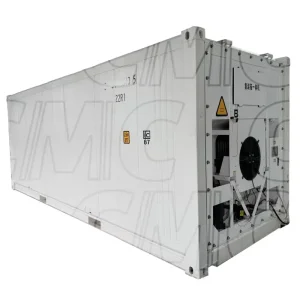
| 20ft Standard Reefer (New) | 6.058 × 2.438 × 2.591 m | Corten Frame + Polyurethane Core | 27,400 kg / 3,080 kg | $11,800 – $15,600 | ISO, DNV, BV Class |
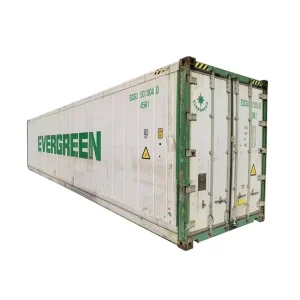
| Used 40ft HC Reefer (Cargo Worthy) | 12.192 × 2.438 × 2.896 m | Inspected Corten Structure | 29,000 kg / 4,500 kg | $4,200 – $6,800 | Pre-Trip Inspected (PTI), CSC |
| 20ft ISO Chemical Tank Container (T11) | 6.058 × 2.438 × 2.591 m | SUS316L / 316Ti Vessel (26kL) | 32,200 kg / 3,800 kg | $18,200 – $24,500 | ASME U-Stamp, IMDG, RID/ADR |
| 20ft ISO Gas Tank Container (T50) | 6.058 × 2.438 × 2.591 m | High-Strength SA612 Q&T Steel | 21,000 kg / 5,200 kg | $27,500 – $36,000 | ASME VIII Div 1, DOT 51, CSC |
| 20ft DNV 2.7-1 Offshore Dry Container | 6.058 × 2.438 × 2.591 m | Impact Tested Structural Steel (-20°C) | 11,800 kg / 3,200 kg | $7,400 – $10,500 | DNV 2.7-1, EN 12079, ISO |
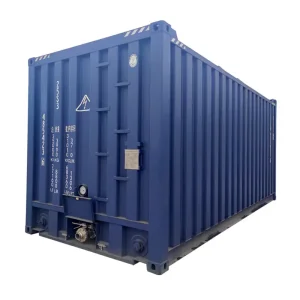
| 40ft High-Cube Full Side-Opening | 12.192 × 2.438 × 2.896 m | Reinforced Header / High-Yield Post | 26,000 kg / 5,100 kg | $6,800 – $9,200 | ISO 1496-1, CSC Approved |
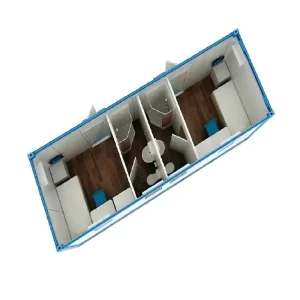
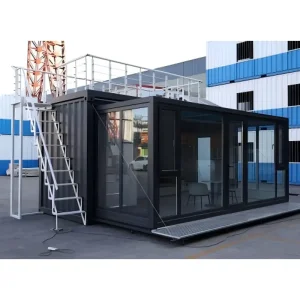
| 20ft/40ft Modular Housing / Habitation | Custom Turnkey Structural Shell | Galvanized Frame + Rockwool Fireproof | Dependent on Spec | $5,500 – $14,000 | CE, ISO 9001, Building Code |
*Notes: Prices quoted reflect factory-gate to Free-On-Board (FOB Tianjin/Shanghai) export rates. Special add-ons like telematics GPS, dual-speed DC inverters, explosion-proof light assemblies, and automated roll-up shutters are quoted on an individual bill-of-materials (BOM) review.
Global Operational Environments: Engineered for Extreme Conditions
From deep-sea drilling platforms in the North Sea to remote solar farms in the Australian Outback, discover how specialized containers perform.
Offshore Exploration & Energy
Offshore containers engineered strictly under DNV 2.7-1 / EN 12079 standards are built to endure severe wave impact, dynamic vessel snatch lifting, and corrosive salt mist. Charpy V-notch impact testing at -20°C guarantees that frame corners and lifting padeyes prevent brittle fracture under deep marine shear forces.
Sub-Zero Eurasian Rail Intermodal
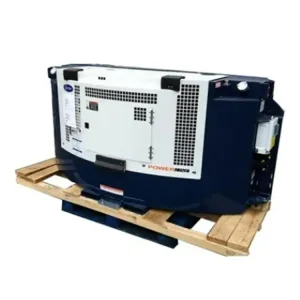
Traversing the Belt and Road trans-continental rail routes exposes containers to winter thermal drops approaching -45°C across Kazakhstan and Siberia. Our thick-foam insulated and dual-fuel railway reefer containers maintain constant cabin climates with automated genset backup units, safeguarding delicate fresh produce and biopharmaceuticals without manual intervention.
Modular Habitation & Remote Mining
For mining hubs in Western Australia and copper fields in Chile, modular container homes and pop-up administrative capsules offer rapid, plug-and-play field offices and living accommodations. Engineered with sound-dampening acoustic linings, rockwool thermal firewalls, and built-in graywater plumbing, these modules drastically reduce construction lead times on remote sites.
Specialized Fluid, Gas & Custom Industrial Enclosures
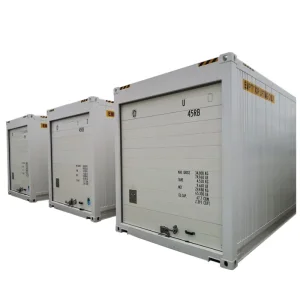
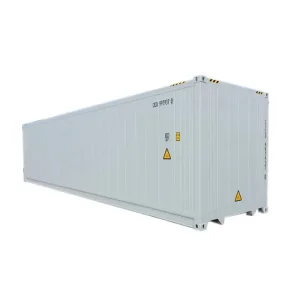
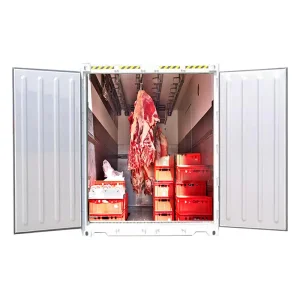
Explore heavy-duty pressurized tanks, blast reefers, meat hanging logistics, and expandable structural systems ready for global deployment.
Procurement & Engineering Frequently Asked Questions
Comprehensive engineering, regulatory, and logistics answers for enterprise supply managers, logistics directors, and port authorities.
How does CIMIC eliminate thermal bridging in customized reefer and insulation containers?
Standard conversions often permit direct metallic conduction between exterior Corten structural ribs and interior stainless steel floor rails. At CIMIC Group, our engineering protocols require continuous non-conductive polyurethane and structural PVC thermal barrier strips installed between all steel framing and interior liners. Combined with high-pressure cyclopentane-blown polyurethane foam (injected at 42–45 kg/m³ density under controlled temperatures), our units achieve verified heat leakage coefficients (K-values) strictly under 0.38 W/m²·K, fully complying with strict ATP regulations.
What specific structural and chemical certifications accompany each export delivery?
Every shipment is documented with an exhaustive certification dossier: (1) CSC Safety Approval Certificate backed by Bureau Veritas (BV), ABS, or DNV; (2) Mill Test Certificates (MTCs) to EN 10204 Type 3.1 verifying Corten-A/SPA-H and SUS316L chemical composition and yield strengths; (3) Pre-Trip Inspection (PTI) diagnostic logs for all Carrier, Thermo King, and Daikin refrigeration equipment; and (4) NDT (Non-Destructive Testing) weld inspection reports including magnetic particle and ultrasonic evaluations of lifting castings.
Can customized OEM enclosures be shipped as standard cargo on container vessels without breakbulk fees?
Yes. Even when heavily customized internally (e.g., BESS units, water treatment housings, modular workshops), our engineering designs preserve standard ISO corner casting center-to-center distances, overall exterior envelopes, and structural transverse stiffness. Provided the gross weight remains within certified limits and CSC approval is stamped, the units travel as regular cellular containerized freight on major liner vessels (Maersk, MSC, COSCO), avoiding high out-of-gauge (OOG) or breakbulk surcharges.
What is the typical production timeline from CAD sign-off to port loading for OEM projects?
Standard custom container orders (5 to 50 units) require 3 to 5 weeks following final approved production drawings. Our dual manufacturing centers in Tianjin and Suzhou leverage automated laser plate-cutting, robotic welding lines, and immediate raw coil stocks to compress structural manufacturing. Units are transferred directly to Tianjin Port (100 km away) or Shanghai/Taicang ports within 24 hours of final inspection sign-off, minimizing inland delays.
How do you verify the operational integrity of 90% new and used reefer containers?
Every second-hand reefer container undergoes a rigorous 60-point Pre-Trip Inspection (PTI) running under full load for at least 8 hours. Technicians inspect compressor compression ratios, electronic expansion valves, sensor calibration accuracy, evaporator coil fins, condenser fan motors, and insulation gas integrity. Any compromised door gaskets or bent locking bars are replaced with genuine OEM components before issue of cargo-worthy inspection certificates.
What anti-corrosion protection protocols are deployed for harsh marine offshore environments (C5-M)?
For units designated for offshore rigs or coastal installations, we deploy a comprehensive multi-layer paint system: surface automated abrasive blasting to ISO 8501-1 Sa 2.5 cleanliness, followed by a 75-micron zinc-rich epoxy primer (providing cathodic galvanic protection), a 100-micron high-build epoxy intermediate tie-coat, and an 80-micron aliphatic polyurethane topcoat. Total dry film thickness (DFT) exceeds 255 microns, engineered for over 15 years of atmospheric durability without micro-blistering.
Initiate Your Custom OEM Container Specification
Connect directly with our senior application engineers in Tianjin. Request tailored structural drawings, 3D CAD modeling, FEA verification, and guaranteed FOB/CIF delivery schedules.
Submit Technical Specification Brief