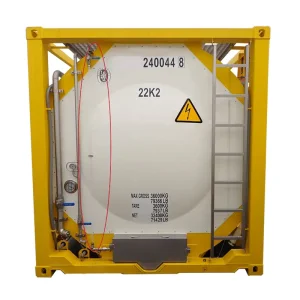
High-Performance Fleet Solutions: Top 8 Lineup
Certified intermodal freight units, customized refrigerated bodies, and specialty transportation modules engineered to withstand the most demanding sea and land supply chains.
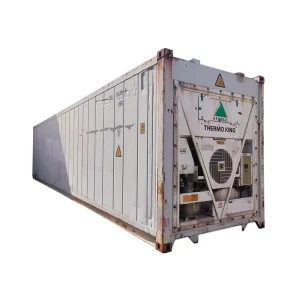
ODM New 40ft Refrigerated Freezer Container
Request Technical Spec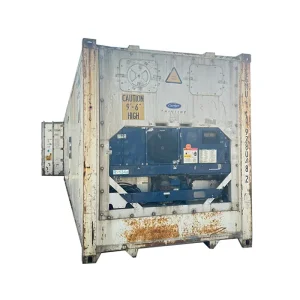
China Used 40ft High-Cube Certified Reefer Container
Request Technical Spec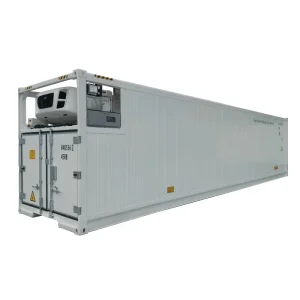
40HC & 45ft Railway Refrigerated Container
Request Technical Spec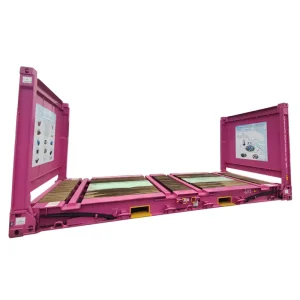
ODM New 20ft Platform Frame Container
Request Technical Spec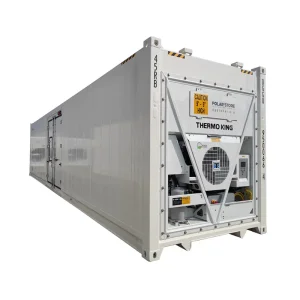
Famous 40ft High-Cube Side Open Door Reefer
Request Technical Spec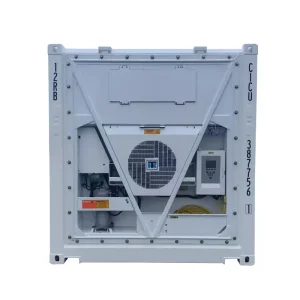
OEM 20ft Offshore Reefer DNV Certified
Request Technical Spec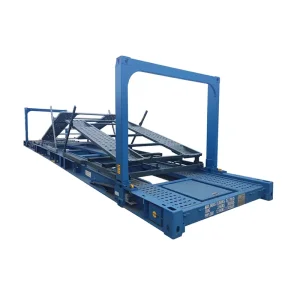
China New 20ft Car Carrier Special Container
Request Technical Spec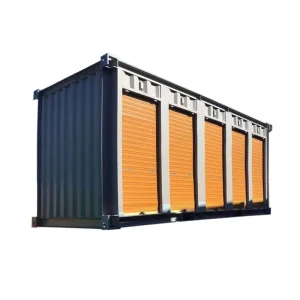
OEM New 20ft Storage Roll-Up Door Dry Cargo Unit
Request Technical SpecIndustry Trends: The Evolution of Container Transportation
The shift toward multimodal logistics requires OEM factories to transcend standard box building into high-performance, climate-controlled, sensor-integrated transport architectures.
Years Engineering Expertise
BV & ISO Verified Quality
Strategic Distance to Major Seaport
Structural Defect Allowance
Total Cost of Ownership Optimization
Procurement teams are shifting analysis from initial capital expenditure to lifetime operating efficiency. Advanced lightweight Corten steel and low-thermal-leakage foaming formulations maximize structural durability while cutting intermodal haulage fuel burn and lifecycle maintenance expense across multi-decade service deployments.
Cold Chain Thermal Integrity
Global demand for pharmaceuticals, bio-compounds, and perishable agricultural commodities requires airtight thermal stability. Precision pairing with Thermo King, Daikin, and Carrier cooling plants alongside high-density vacuum-injected polyurethane insulation guarantees steady +/-0.1°C temperature compliance across deep-sea voyages.
Harsh Offshore & Rail Resilience
Intermodal corridors like the Belt and Road initiative and North Sea offshore extraction zones demand reinforced structural margins. Meeting stringent DNV 2.7-1 / EN 12079 dynamic lifting safety envelopes guarantees reliable offshore vessel transfers, zero failure rates, and high-impact resistance in extreme rail environments.
Procurement Strategy: Enterprise Needs & Industrial Solutions
How our manufacturing and engineering pipelines systematically eliminate supply chain volatility, customs delays, and operational downtime.
Dimensional & Custom Fit
Challenge: Standard ISO dimensions fail to accommodate specialized payloads such as large battery energy systems, heavy industrial machinery, or automated warehouse side-loading.
Factory Solution: Custom OEM side-opening, roll-up shutter, double-ended door architectures, and high-cube designs built precisely to pre-approved production drawings.
Stringent Cross-Border Auditing
Challenge: Container consignments frequently stall at international border checkpoints due to missing ISO/CSC documentation or failing destructive weld testing.
Factory Solution: Pre-certified quality files under Bureau Veritas (BV) classification society inspections, complete with certified mill sheets and individual CSC safety approval plates.
Port Logistics & Lead Times
Challenge: High drayage costs and congested inland trucking legs from remote factories dramatically escalate export budgets and inflate delivery windows.
Factory Solution: Hub manufacturing facilities situated in Tianjin and Suzhou, directly positioned within 100 km of deep-water port container terminals for rapid berth deployment.
CapEx vs OpEx Allocation
Challenge: Capital expenditure constraints dictate flexible procurement options between factory-new custom fleets and immediate-deployment units.
Factory Solution: Hybrid inventory strategies providing bespoke OEM/ODM manufacturing alongside rigorously inspected ~90% new second-hand certified reefer and dry stock.
Macro Engineering Framework: Structural Mastery & Materials Science
Inside the production line: how our automated welding, laser cutting, and coating systems ensure decade-long operational integrity.
SPA-H Weathering Corten Steel
Every container frame and corrugated side-wall is engineered with certified atmospheric corrosion-resistant SPA-H Corten alloy. Upon exposure to harsh marine environments, the micro-alloyed matrix generates a dense, protective copper-phosphorus oxide patina, preventing structural pitting and corrosion propagation across transoceanic service lives.
C5-M Marine Coating Systems
To withstand continuous high-salinity spray and UV degradation, automated multi-stage shot blasting strips steel to SA 2.5 purity. A three-tier protective system is applied: a zinc-rich epoxy primer, an intermediate epoxy micaceous iron barrier, and a durable polyurethane finish providing tested resistance against coastal ISO 12944 C5-M high-durability zones.
Robotic Welding & Precision Tolerances
Automated submerged arc welding systems apply uniform seams along all corner castings, side rails, and cross members. Corner castings adhere strictly to ISO 1161 geometry, ensuring error-free spreader engagement during dockside gantry operations, rail twistlock alignment, and multi-tier deck stacking safety.
Compliance, Certification & Worldwide Quality Assurance
Transparent international standards adherence guaranteed across five major continental transport jurisdictions.
Bureau Veritas (BV)
All factory dry containers and specialized shipping units undergo complete classification society witness testing, verifying wall strength, floor deflection, and airtightness.
DNV 2.7-1 / EN 12079
Certified manufacturing procedures for offshore platform equipment, featuring tested lifting pad-eyes, low-temperature impact steel toughness, and four-point sling proof loadings.
CSC Safety Approval
Units carry valid International Convention for Safe Containers (CSC) plates, enabling immediate multi-modal transport via container vessels, road trailers, and freight trains.
ISO 9001:2015 QC Protocol
Systematic traceability tracking from incoming raw coil inspection and blast profile verification to final water spray leak tests and weld non-destructive testing (NDT).
Engineering Roadmap: Future of Intelligent Container Mobility
Anticipating regulatory updates, decarbonization milestones, and digital supply chain integration over the coming decade.
Integrated IoT Telematics
Equipping fleets with solar-powered tracking nodes monitoring internal humidity, shock/vibration profiles, door open/close cycles, and multi-point temperatures via satellite link.
Low-GWP Eco Refrigerants
Transitioning reefer assembly lines to ultra-low Global Warming Potential (GWP) alternatives such as R-513A and CO2 (R-744) refrigerants to comply with strict EU F-gas regulations.
Ultra-Light Composite Hybrids
Developing carbon-neutral composite sandwich panels paired with high-yield strength steel skeletons, reducing empty container tare weight by up to 18% to maximize payload efficiency.
Autonomous Energy Generation
Integrating thin-film photovoltaic skin on reefer roofs to power backup cooling circuits during intermediate rail transit without external genset umbilical supplies.
Frequently Asked Questions (FAQ)
Technical and procurement answers addressing custom container fabrication, regulatory compliance, and intermodal logistics.
What is the typical manufacturing lead time for custom OEM container orders?
Standard OEM production schedules range from 20 to 35 business days following technical drawing sign-off and material specification sign-offs. Prototype runs or units requiring third-party classification witness testing (e.g., DNV certification) are scheduled in dedicated testing bays to prevent production bottlenecking.
How do you verify the watertight and thermal integrity of refrigerated units?
Every reefer container undergoes an automated high-pressure multi-angle water spray test (in compliance with ISO 1496/1) to verify complete seal integrity. For thermal performance, pre-shipment pull-down tests monitor temperature decay and cycle stability down to -30°C using calibrated diagnostic data loggers.
Can you provide custom modifications for specialized industrial transport?
Yes. Our factory provides structural modifications including full side-opening bifold doors, heavy-duty roller-shutter closures, reinforced flooring (anti-slip steel check plate or heavy hardwood), explosion-proof electrical routing, climate ventilation ports, and specialized forklift pockets.
What documentation accompanies container shipments for international customs?
Consignments are provided with complete documentation packages: Valid CSC Safety Approval Certificates, Bureau Veritas (BV) or DNV Inspection Reports, Factory Material Mill Test Certificates (MTC), Paint Thickness & Adhesion Reports, and export customs declarations ensuring clean port entry worldwide.
Engineered Speciality & Heavy Transport Showcase
Discover our specialized offshore units, cryogenic liquid tank containers, and flexible side-door cargo configurations.
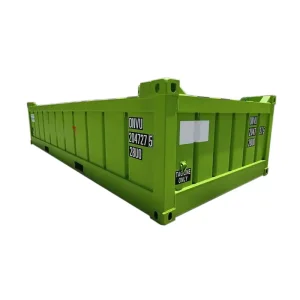
ODM DNV Offshore Half-Height Open Top Container
Request Technical Spec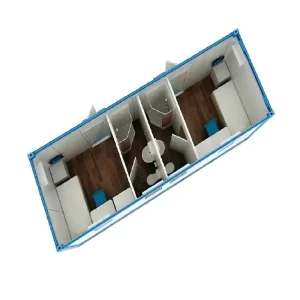
Famous 20ft/40ft Accommodation Modular Unit
Request Technical Spec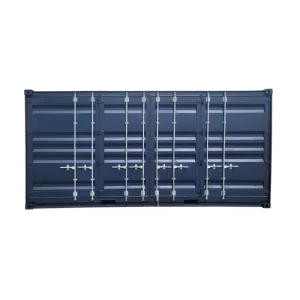
High-Quality 20ft Customized Side Door Dry Container
Request Technical Spec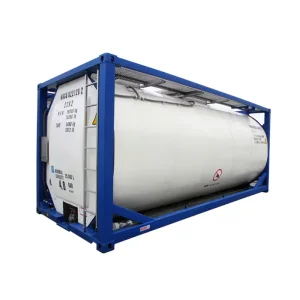
ISO Standard 20ft Chemical Transport Tank Container
Request Technical Spec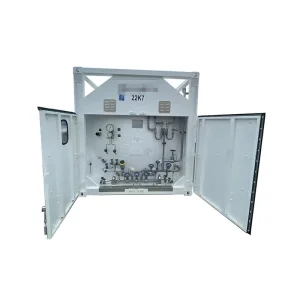
Famous T75 20ft Cryogenic Liquid Tank Unit
Request Technical Spec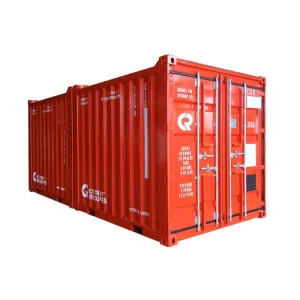
New DNV Certification Offshore Dry Cargo Unit
Request Technical Spec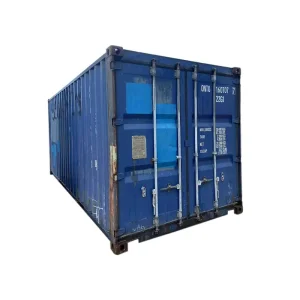
ODM 40ft Inspected Used Dry Cargo Shipping Unit
Request Technical Spec