
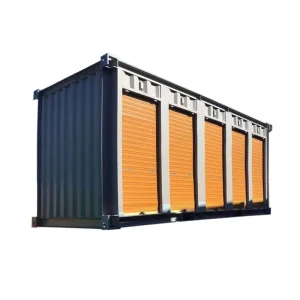
Direct Factory Catalog
High-Performance Intermodal Shipping Containers
Explore heavy-duty intermodal hardware engineered under ISO 1496-1 and DNV maritime classifications. Complete with BV certificates, corten seam engineering, and customized refrigeration powertrains.
Active Power Logistics
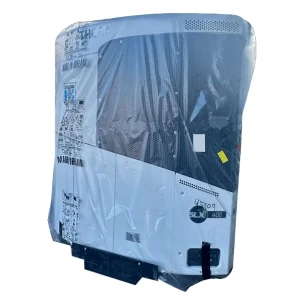
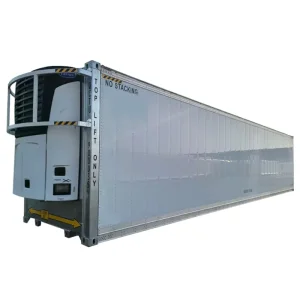
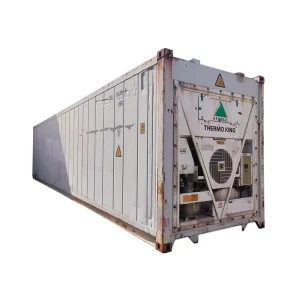
Famous TK SLXI Mobile Power Generation Trailer Cooling Unit
View Specifications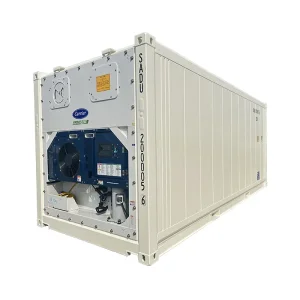
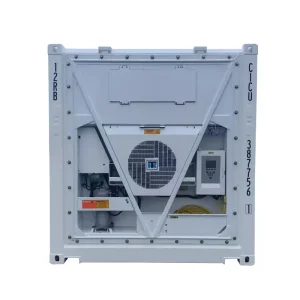
Refrigerated Reefer
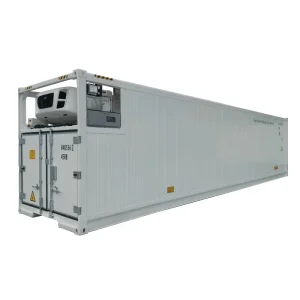
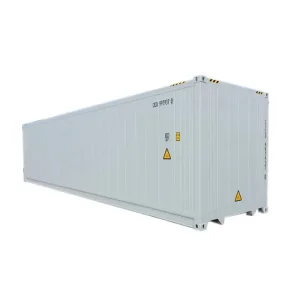
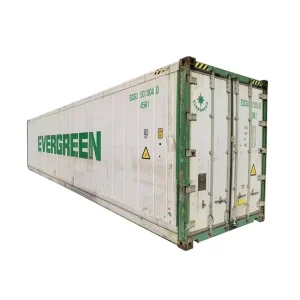
High-Quality New 40ft High Cube Carrier Refrigerator Freezer
View Specifications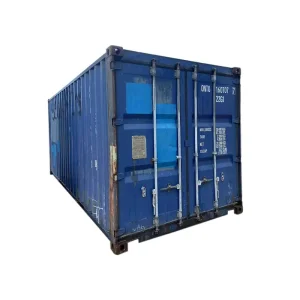
Industrial Economics & Metallurgy
The Chinese Factory Advantage in Shipping Container Manufacturing
Accounting for over 90% of global intermodal equipment output, China's modern manufacturing infrastructure combines automated robotic line welding, integrated steel supply chains, and optimized port proximity.
Procurement executives seeking to buy a shipping container manufacturer partner directly from the source gain structural, metallurgical, and economic benefits that cannot be duplicated elsewhere. Rather than dealing with intermediate resellers, entering direct procurement with a Chinese production powerhouse unlocks rigorous material traceability, complete engineering customization (OEM/ODM), and unmatched manufacturing throughput.
SPA-H Corten-A Steel Integration
Direct supply line integration with primary Chinese steel mills allows continuous utilization of genuine SPA-H atmospheric corrosion-resistant steel. Forming an adherent copper-chromium-phosphorus protective oxide patina, our container structures withstand severe ocean spray, continuous saltwater condensation, and abrasive cyclic handling for decades.
Robotic Seam & Assembly Automation
Our Tianjin and Suzhou manufacturing plants deploy automated robotic submerged arc welding and fiber-laser corrugated panel positioning. This continuous process achieves zero-defect weld seams, uniform structural torsional stiffness across side-wall corrugations, and strict dimensional tolerances adhering precisely to ISO 668 and ISO 1496.
Eco-Friendly Waterborne Coatings
Operating fully automated multi-stage shot blasting (Sa 2.5 standard) followed by 3-coat eco-friendly waterborne zinc-rich primer and polyurethane topcoats. We maintain total Dry Film Thickness (DFT) monitoring up to 120μm, preventing cathodic degradation and complying with international volatile organic compound (VOC) limits.
100km Deepwater Seaport Proximity
Situated within 100 kilometers of the major maritime export gates of Tianjin Port and coastal logistics clusters, inland drayage lead time and pre-carriage freight expenditure are minimized. Units roll off final QA inspection straight onto ocean vessels or one-way cargo leases to Europe, the Americas, and Africa.
Technological Foresight
Global Intermodal Container Trends & Next-Gen Engineering
The global shipping container market is rapidly evolving from basic dry steel shells into connected, energy-efficient, and thermally optimized logistics assets.
1983.
Manufacturing Heritage Year
40+
Years of Heavy OEM Engineering
100km
Distance to Major Deepwater Ports
100%
BV & ISO Quality Traced Builds
IoT Telematics & Autonomous Atmosphere Control
Modern reefer containers feature integrated 5G/satellite IoT transceivers monitoring interior temperatures, humidity levels, and Modified/Controlled Atmosphere (CA) gas balances (O2/CO2 levels) in real time. Autonomous alert systems prevent cargo spoilage during transit across multiple climate zones.
BESS Containerization for Clean Energy
The green transition has created immense demand for customized structural containers designed as Battery Energy Storage Systems (BESS). These require reinforced floors supporting dynamic weights over 30 tons, specialized fire barrier insulation, HVAC ducting, and automated clean-agent fire suppression.
Lightweight High-Tensile Alloys
By engineering ultra-high-yield-strength cold-formed steels into floor crossmembers and corner pillars, tare weights are reduced by up to 8% without compromising corner casting stacking limits (192,000 kg). This directly elevates max payload capacity and drops fuel consumption on intermodal rail corridors.
Deployment Scenarios
Engineered for Demanding Industrial Environments
A shipping container is no longer merely a general cargo box. Discover how diversified OEM/ODM container structures solve specific logistical and infrastructural bottlenecks across the globe.
Multimodal Cross-Border Rail (Belt & Road)
Specially reinforced 40ft High Cube and 45ft pallet-wide containers engineered to handle extreme temperature fluctuations from -40°C in Siberian corridors to +45°C in Central Asia. Optimized for automated crane transshipment at break-of-gauge border railway hubs.
Offshore Oil & Gas Platforms (DNV 2.7-1 / EN 12079)
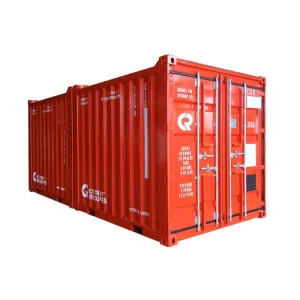
Critical energy infrastructure requires offshore containers capable of surviving high dynamic wave impacts and extreme sling stresses during offshore crane transfers. Certified with non-destructive weld testing (NDT), Charpy V-notch impact testing at -20°C, and custom lifting pad-eyes.
Pharmaceutical & Perishable Cold Chain
Reefer containers equipped with precision Thermo King, Carrier, or Daikin digital units maintaining micro-fluctuations under ±0.25°C. Features internal stainless steel food-grade lining, extruded aluminum T-bar airflow flooring, and dual-redundant backup power systems.
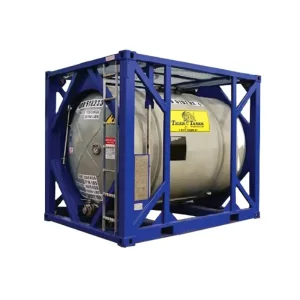
Cryogenic Gas & Hazardous Liquid Bulk (ISO Tanks)
Manufactured under ASME Section VIII and IMDG code requirements. Our T75 and T11 cryogenic tanks feature multi-layer vacuum super-insulation designed for LNG, Liquid Nitrogen, Argon, and hazardous chemicals, built with 316L stainless steel pressure vessels.
Engineering Matrix
ISO Container Technical Parameters & Structural Benchmarks
Reference key operational parameters across our standard and specialty intermodal container product line before confirming engineering drawings.
| Classification | Primary Material | Ext. Dimensions (L × W × H) | Tare Weight | Max Gross Mass (MGM) | Internal Volume | Standard Compliance |
|---|---|---|---|---|---|---|
| 20ft Dry Cargo (20GP) | Corten-A SPA-H | 6,058 × 2,438 × 2,591 mm | 2,200 kg | 30,480 kg | 33.2 m³ | ISO 1496-1 / BV |
| 40ft High Cube (40HC) | Corten-A SPA-H | 12,192 × 2,438 × 2,896 mm | 3,800 kg | 32,500 kg | 76.4 m³ | ISO 1496-1 / CSC |
| 40ft High Cube Reefer (40RH) | MGSS / Al / Corten | 12,192 × 2,438 × 2,896 mm | 4,500 kg | 34,000 kg | 67.6 m³ | ISO 1496-2 / ATP |
| 20ft Offshore Dry Cargo | Corten + Impact Plate | 6,058 × 2,438 × 2,591 mm | 3,100 kg | 15,000 kg | 30.5 m³ | DNV 2.7-1 / EN 12079 |
| 20ft T75 Cryogenic Tank | 316L SS Inner / Q345R Outer | 6,058 × 2,438 × 2,591 mm | 8,600 kg | 36,000 kg | 20,000 L | ASME / IMDG / ADR |
| 45ft Belt & Road Pallet Wide | High Tensile Corten | 13,716 × 2,500 × 2,896 mm | 4,600 kg | 34,000 kg | 89.2 m³ | UIC 592 / ISO |
Quality Assurance
Global Enterprise Sourcing: Auditing Your Container Factory
Bypassing trading intermediaries to contract with a direct shipping container manufacturer requires a clear technical auditing framework to protect your operational capital.
1. Technical Drawing & CAD Review
Every commercial engagement begins with structural engineering sign-off. Cross-sectional corrugation geometries, floor load ratings (7,260 kg axle loads per ISO), door hinge bush tolerances, and locking gear metallurgy are documented and certified prior to tooling setup.
2. Independent Classification Society Inspection
All finished series are subject to witness audits by third-party marine surveying societies including Bureau Veritas (BV), ABS, DNV, or Lloyd's Register. Testing includes watertightness hose tests at 1 bar, diagonal rack deflection tests, and stack load tests up to 9 high loaded containers.
3. CSC Safety Approval & Port Release
Each unit leaves the manufacturing floor with a stamped stainless steel CSC (Convention for Safe Containers) safety plate affixed, validating payload thresholds, timber treatment compliance (Australian quarantine regulation), and customs seals for seamless transit worldwide.
Knowledge Base
Frequently Asked Questions: Buying Direct from Manufacturers
Authoritative answers addressing procurement volume, custom modifications, refrigeration brands, shipping logistics, and second-hand equipment certification.
What is the minimum order quantity (MOQ) when buying directly from the factory?
For standard ISO dry cargo containers (20ft, 40ft, 40ft High Cube), our standard production line batch runs typically start from 2 to 5 units. For specialty custom containers, such as roll-up door conversions, open-side units, or specialized insulated boxes, we can accommodate single-unit prototype runs (MOQ 1) under customized OEM/ODM agreements.
How do you verify the quality of second-hand and used containers?
Used containers held at our coastal depot network undergo thorough inspection by certified IICL-5 (Institute of International Container Lessors) surveyors. We confirm wind-and-watertight (WWT) integrity, inspect understructure crossmembers for corrosion, test door gaskets, and issue detailed photographic reports and Cargo Worthy (CW) certification before shipping.
Which refrigeration machinery options are installed in your reefer fleet?
We partner directly with leading cooling powertrain manufacturers: Carrier Transicold (e.g., PrimeLINE, ThinLINE), Thermo King (Magnum Plus), and Daikin (Zestia). Buyers select their preferred brand to match their existing fleet spare-parts inventory, technician training, and regional authorized maintenance networks.
What is the difference between standard ISO and DNV 2.7-1 Offshore containers?
Standard ISO containers are designed for stacking and handling in port-to-port intermodal transit. Offshore containers, certified under DNV 2.7-1 / EN 12079, are built to withstand open-sea dynamic loads, high shock impacts during vessel-to-rig crane lifts, and severe cold. They feature primary structural frames with high Charpy impact steel and certified lifting sling pad-eyes.
How are empty shipping containers economically delivered to international buyers?
To eliminate costly empty container ocean freight positioning ("dead-freight"), we utilize "One-Way Freight Use" programs (Shipper Owned Container - SOC). We collaborate with ocean liners and freight forwarders to load revenue-generating cargo into your containers for their maiden voyage from China to your destination port, significantly lowering delivery costs.
Heavy Engineering Catalog
Specialized & Certified Industrial Containers
Complete your fleet with DNV-certified offshore platforms, insulated units, integrated refrigeration power plants, and ISO certified specialized tank equipment.
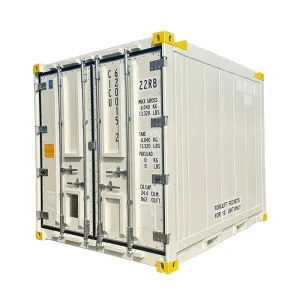
Refurbished Reefer Asset