
Featured Modular & Specialized Equipment
Immediate export allocations from our central manufacturing hubs in Tianjin and Suzhou, fully certified by BV and ISO.
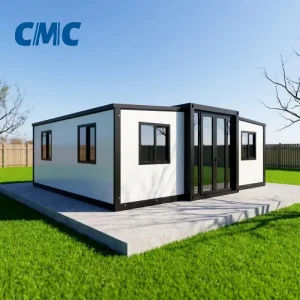
OEM 20ft Modular Container Houses Expandable Steel Container House Excellent Thermal Insulation and Sealing Performance Manufacturer, Manufacturers
View Product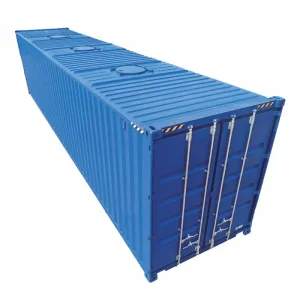
Buy 20 Feet Shipping Bulk Container Manufacturer, Exporters
View Product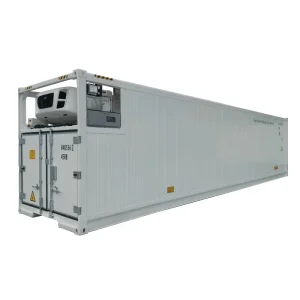
Famous New 40-foot high cube & 45-foot "Belt and Road" railway refrigerated container. Product, Products
View Product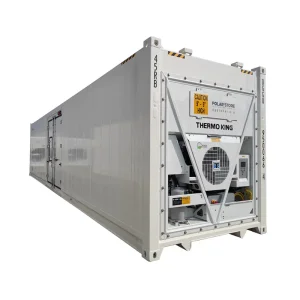
Famous 40ft High-Cube Side Open Door Reefer Container Manufacturer, Factories
View Product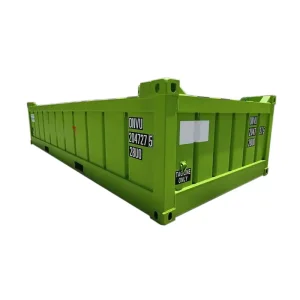
ODM New DNV Certification Offshore Half-Height Open Top Container Products, Exporters
View Product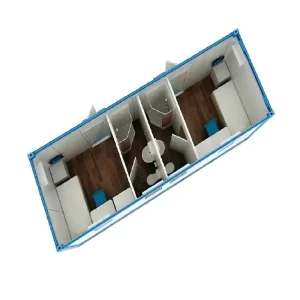
Famous 20ft 40ft Standard Size Accommodation Modular House Container Exporter, Products
View Product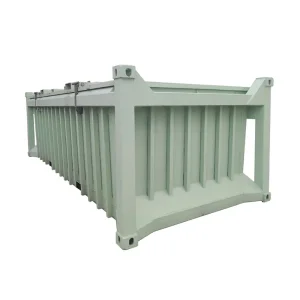
Buy New Half Height Ore Carrier Container Offshore Container Manufacturers, Quotes
View Product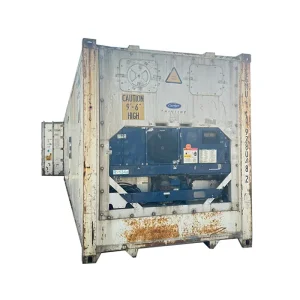
China Used 40ft High-Cube Certified Reefer Container Pricelist, Exporter
View ProductStandard Internal Volume (20GP)
Max Heavy-Duty Net Payload
Atmospheric Corrosion Resistance
Certified Factory Homologation
Standard ISO Dimensions Of A 20 Foot Shipping Container
Exact external, internal, and door clearance metrics across primary structural variants according to ISO 668 and ISO 1496 Series 1 Freight Container standards.
| Dimensional Metric | 20ft Standard Dry (20GP) | 20ft High-Cube (20HC) | 20ft Refrigerated (20RF) | 20ft Open Top (20OT) |
|---|---|---|---|---|
| External Length | 6,058 mm (19' 10.5") | 6,058 mm (19' 10.5") | 6,058 mm (19' 10.5") | 6,058 mm (19' 10.5") |
| External Width | 2,438 mm (8' 0.0") | 2,438 mm (8' 0.0") | 2,438 mm (8' 0.0") | 2,438 mm (8' 0.0") |
| External Height | 2,591 mm (8' 6.0") | 2,896 mm (9' 6.0") | 2,591 mm (8' 6.0") | 2,591 mm (8' 6.0") |
| Internal Length | 5,898 mm (19' 4.2") | 5,898 mm (19' 4.2") | 5,444 mm (17' 10.3") | 5,894 mm (19' 4.0") |
| Internal Width | 2,352 mm (7' 8.6") | 2,352 mm (7' 8.6") | 2,290 mm (7' 6.1") | 2,344 mm (7' 8.3") |
| Internal Height | 2,393 mm (7' 10.2") | 2,698 mm (8' 10.2") | 2,263 mm (7' 5.1") | 2,347 mm (7' 8.4") |
| Door Opening Width | 2,340 mm (7' 8.1") | 2,340 mm (7' 8.1") | 2,290 mm (7' 6.1") | 2,338 mm (7' 8.0") |
| Door Opening Height | 2,280 mm (7' 5.7") | 2,585 mm (8' 5.7") | 2,210 mm (7' 3.0") | 2,244 mm (7' 4.3") |
| Cubic Capacity | 33.2 m³ (1,172 cu ft) | 37.4 m³ (1,320 cu ft) | 28.3 m³ (999 cu ft) | 32.4 m³ (1,144 cu ft) |
| Average Tare Weight | 2,200 kg (4,850 lbs) | 2,380 kg (5,247 lbs) | 3,080 kg (6,790 lbs) | 2,350 kg (5,180 lbs) |
| Maximum Gross Mass | 30,480 kg (67,200 lbs) | 30,480 kg (67,200 lbs) | 30,480 kg (67,200 lbs) | 30,480 kg (67,200 lbs) |
| Maximum Payload | 28,280 kg (62,350 lbs) | 28,100 kg (61,953 lbs) | 27,400 kg (60,410 lbs) | 28,130 kg (62,020 lbs) |
20 Foot Shipping Container Commercial Pricelist 2025
Direct from manufacturing source (FOB Tianjin/Qingdao/Shanghai) categorized by certification level, condition grade, and structural fit-out.
| Equipment Classification | Structural Profile | Certification Standards | Wholesale Unit Range (USD) | Lead Times (MOQ 1–10) |
|---|---|---|---|---|
| New One-Trip Standard Dry | 20GP Corten-A Steel, 28mm Marine Floor | ISO 1496-1, CSC Approved, BV Certified | $1,650 – $2,100 | Immediate Factory Stock |
| New High-Cube (9ft 6in) | 20HC Extended Headroom, Heavy Payload | ISO 1496-1, CSC Approved, ABS Certified | $1,850 – $2,350 | 5 – 10 Days |
| Side Open Door (Full Access) | 20GP Bi-Fold or Multi-Door Corten Frame | CSC, ISO Standard, High-Load Lintel | $2,800 – $3,600 | 12 – 18 Days |
| 20ft ISO Liquid Tank Container | 316L Stainless Vessel, Insulated Rockwool | IMDG, ASME U-Stamp, ADR/RID, BV | $11,500 – $16,800 | 20 – 30 Days |
| 20ft Cold Chain Reefer Unit | Carrier / Daikin / Thermo King Integral | ATP Certified, BV Class, ISO Machinery | $9,200 – $13,500 | 10 – 15 Days |
| Offshore Rig-Ready Cargo Basket | DNV 2.7-1 / EN 12079 Certified Steel | DNV-GL Type Approval with Padeyes | $4,200 – $6,500 | 15 – 25 Days |
| IICL-6 Certified Cargo Worthy (CW) | Second-hand Wind & Water Tight (WWT) | Valid CSC Plate (12–24 months active) | $1,050 – $1,400 | Port Release within 48 Hrs |
Raw Material Index Sensitivity
Container manufacturing pricing is tightly linked to global Corten-A (SPA-H) hot-rolled coil index values. Each 20ft container uses approximately 1.8 metric tons of high-grade alloy steel.
Flooring Substrate Specifications
Standard builds utilize 28mm, 19-ply Apitong or Keruing marine plywood tested to 7,260 kg axle loads. High-humidity or eco-conscious projects can specify hybrid bamboo composites.
Coating Performance Guarantees
Multi-stage zinc-rich epoxy priming followed by polyurethane topcoats provides a minimum dry film thickness (DFT) of 120 microns, offering a verified 5-year marine salt-fog anti-corrosion barrier.
Strategic Role of the 20-Foot TEU in Intermodal Commerce
How the standard twenty-foot equivalent unit functions as the foundational building block for intermodal transport, infrastructure stability, and concentrated load handling.
Maritime Payload Density
While 40-foot containers accommodate volumetric consumer goods, 20-foot shipping containers handle heavy raw commodities—such as base metals, grains, minerals, industrial liquids, and machinery. Their shorter structural length minimizes sagging and deflection under 30-ton maximum gross loads.
Eurasian Rail Corridor Compatibility
On the Belt and Road intermodal rail networks traversing China, Central Asia, and Europe, paired 20ft platforms maximize railcar axle distribution. Standardized locking mechanisms align with 80ft flatbed wagons without exceeding regional overhang profiles.
Port Drayage & Urban Maneuverability
Navigating narrow historical ports, construction areas, and tight terminal yards requires equipment with tight turning radiuses. Single 20ft chassis combinations reduce road wear, fit standard cargo lifts, and operate cleanly within inner-city zones.
Global Repositioning & Empty Container Imbalance Management
Supply-demand imbalances between export-heavy manufacturing regions and import-focused consumption centers often cause empty repositioning costs. The 20-foot container offers distinct operational flexibility in these scenarios: two empty 20-foot containers can be interlocked into a single 40ft equivalent unit (TEU pairing) using certified twistlocks for consolidated, low-cost deadhead transit back to industrial bases like Tianjin or Shanghai.
Compliance, Certification & International Standards
Every CIMIC structural assembly meets international safety codes to ensure seamless operational approval across global customs, rail, and maritime authorities.
CSC Safety Approval
International Convention for Safe Containers (1972) stainless steel safety plate affixed to the door assembly, detailing stacking limits (typically 192,000 kg for 9-high stacking) and racking load values.
ISO 1161 Corner Castings
Eight hot-cast steel corners precisely machined to ISO 1161 dimensions, heat-treated to resist tension, compression, and shear stresses from twistlocks and automated spreader bars.
DNV 2.7-1 / EN 12079
Mandatory offshore specification for dynamic open-sea lifting. Units undergo Charpy V-notch impact testing at -20°C with non-destructive weld testing (NDT/MPI) throughout all load paths.
TIR & UIC Customs Seal
Built to Transports Internationaux Routiers (TIR) guidelines to prevent illicit access without breaking security seals, featuring tamper-evident door hinge pins and reverse lock brackets.
Engineering Beyond Freight: Modern Specialized Use-Cases
Because the 20ft container features high structural rigidity and standardized footprint dimensions, it serves as a core platform across energy, agricultural, and modular sectors.
1. Utility-Scale BESS Enclosures
20ft containers modified into Battery Energy Storage Systems (BESS) house lithium-ion battery racks, dynamic liquid cooling loops, NFPA 855 fire suppression equipment, and bidirectional inverters. Their compact footprint enables straightforward transport to remote renewable generation sites.
2. Controlled Atmosphere Reefer Pods
Equipped with Carrier, Daikin, or Thermo King refrigeration machinery, these insulated units maintain precise temperatures between -35°C and +30°C. They are widely used for pharmaceutical exports, high-value perishables, and decentralized, relocatable cold chain storage hubs.
3. Offshore Mining & Drilling Habitats
Configured to DNV 2.7-1 specifications for extreme marine environments, these units serve as mobile laboratory pods, tool storage, switchgear control cabins, or certified offshore crew quarters, engineered to handle dynamic saltwater environments.
Technology Roadmap: The Smart & Low-Carbon 20ft Container
Advancements in industrial manufacturing are modernizing the traditional Corten steel container through connectivity, low-carbon materials, and intelligent telematics.
Low-Embodied-Carbon Steel
By transitioning to hydrogen-reduced direct reduced iron (DRI) and electric arc furnace (EAF) smelting for Corten SPA-H alloy production, embodied carbon emissions per container are reduced by up to 60%, aligning with corporate Scope 3 sustainability targets.
Autonomous IoT Telematics
Next-generation 20ft units can feature flush-mounted, solar-harvesting IoT transceivers that communicate via hybrid 5G/satellite links. Integrated sensors monitor internal shock, moisture levels, door access, and geo-fenced routes in real time.
Aerogel Composite Insulation
Replacing conventional expanded polyurethane with thin, silica aerogel vacuum insulation panels (VIPs) increases internal usable cubic volume by 7.8% while maintaining cold chain thermal performance (K-value under 0.35 W/m²K).
Total Cost of Ownership (TCO) & Lifecycle Evaluation
A clear financial comparison of initial capital expenditure against long-term maintenance, lifespan, and residual value for global fleet asset managers.
When purchasing a 20ft shipping container, commercial buyers balance immediate capital costs against operational longevity. Standard Corten steel ISO containers operate reliably for 15 to 25 years under normal maritime conditions, provided basic maintenance is performed on door gaskets, locking bars, and corner castings.
Capital Expenditure (CapEx)
Purchasing brand-new "one-trip" containers provides clean cosmetic condition, undamaged plywood floors, and a fresh 5-year CSC validation stamp. This reduces initial maintenance risks, making new units well-suited for modular modifications, battery installations, and secure long-term storage.
Operational Expenditure (OpEx)
Used units (Cargo Worthy / IICL-6) offer a lower initial entry price point (around $1,050 to $1,400). However, buyers should account for recurring inspection fees, door gasket updates, potential patch repairs, and periodic recertification costs every 24 to 30 months.
Residual Asset Value
Because 20ft containers feature heavy structural steel crossmembers and standardized corner castings, they maintain strong resale value. Even retired units find consistent demand in secondary markets for static storage, site workshops, and recycling.
Specialty ISO Tank, Reefer & Offshore Equipment
Engineered for temperature-controlled cold chains, high-temperature bitumen haulage, automotive transport, and harsh marine environments.

OEM New Deep Freezer Refrigerator Container For Sale Factory, Quotes
View Product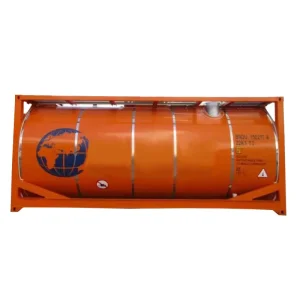
China 20 Foot ISO Liquid Tank Container for Water Manufacturer, Product
View Product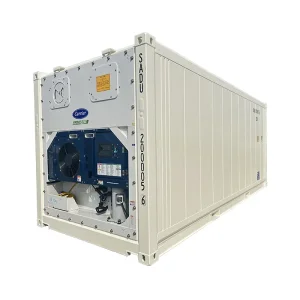
High-Quality New 40ft High Cube Carrier Refrigerator Freezer Cold Room Product, Exporters
View Product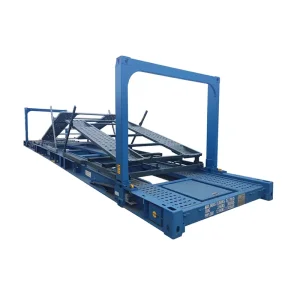
China New 20ft Car Carrier Container Special Container Exporter, Quotes
View Product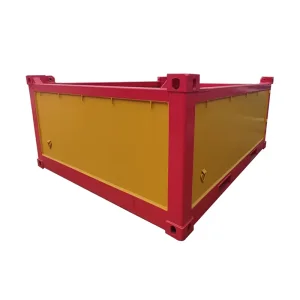
High-Quality New Offshore Basket Container for Offshore Operations Exporter, Exporters
View Product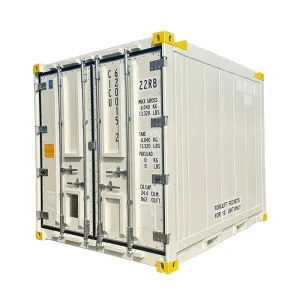
High-Quality New 10ft Certified Thermo King Freezer Container Exporter, Manufacturers
View Product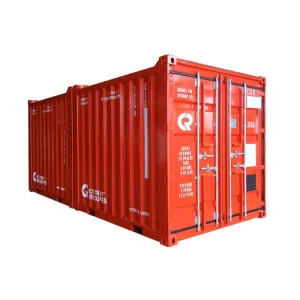
Buy New DNV Certification Offshore Dry Cargo Container Factory, Product
View Product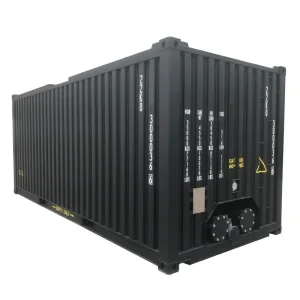
China 20 Feet Heated Shipping Asphalt Container Exporter, Manufacturers
View ProductFrequently Asked Questions: Specifications & Procurement
Direct answers to the most common questions regarding 20ft container dimensions, load ratings, freight pricing, and certification.
Under ISO 668 specifications, standard 20ft dry containers (20GP) measure externally: 6,058 mm (19' 10.5") in length, 2,438 mm (8' 0") in width, and 2,591 mm (8' 6") in height. Usable interior dimensions measure 5,898 mm (19' 4.2") long, 2,352 mm (7' 8.6") wide, and 2,393 mm (7' 10.2") high, delivering an internal capacity of 33.2 cubic meters (1,172 cubic feet).
Most modern standard 20ft containers carry an ISO rating for a Maximum Gross Weight of 30,480 kg (67,200 lbs). With a typical tare weight of 2,200 kg (4,850 lbs), the allowable net cargo payload is 28,280 kg (62,350 lbs). Always verify regional road weight limits, which may restrict actual highway payload below container design maximums.
Current wholesale pricing ranges from $1,650 to $2,100 USD for a brand-new "one-trip" 20ft container with CSC certification, depending on steel prices and custom options. Certified used Cargo Worthy (CW) / IICL units typically range from $1,050 to $1,400 USD at primary maritime hubs.
The main difference is vertical height. A standard 20GP measures 8ft 6in (2,591 mm) tall, while a 20ft High Cube (20HC) stands 9ft 6in (2,896 mm) tall—providing an extra foot (305 mm) of interior clearance. This increases internal volume from 33.2 m³ to 37.4 m³, making high cubes well suited for taller cargo, modular conversions, and thermal lining additions.
Industrial-grade intermodal containers are built using SPA-H Corten steel (atmospheric corrosion-resistant alloy). This steel formulation develops a protective, oxidised patina upon exposure to weather, which slows long-term atmospheric corrosion in harsh ocean and salt-fog conditions.
Yes. As an OEM and ODM manufacturer operating dedicated lines in Tianjin and Suzhou, CIMIC handles structural modifications prior to delivery. Options include full side-opening doors, roller shutters, customized interior insulation, pre-installed HVAC cutouts, reinforced sub-frames, and bespoke exterior painting.