
Primary Industrial & Intermodal Product Portfolio
Engineered for intercontinental ocean freight, remote resource exploration, and mission-critical cold chain deployments. Select a certified unit to view technical parameters and manufacturer quotes.
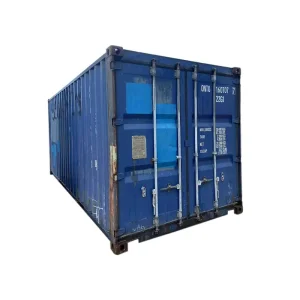
ODM 40ft Used Dry Cargo Shipping Container
Structurally wind and water tight (WWT) certified, high-grade Corten steel construction, inspected for structural integrity across intermodal corridors.
View Factory Quotes →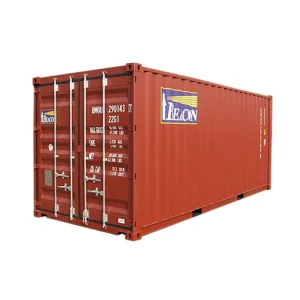
ODM 40ft New Certified Dry Shipping Container
Factory-new standard ISO container built with SPA-H weathering steel, zinc-rich epoxy coating systems, and dual locking cam assemblies.
Explore Pricelist →
New Half Height Ore Carrier Offshore Container
Engineered for dense bulk material handling and offshore oilfield mineral transit with reinforced floor crossmembers and certified sling points.
Request Manufacturer Specs →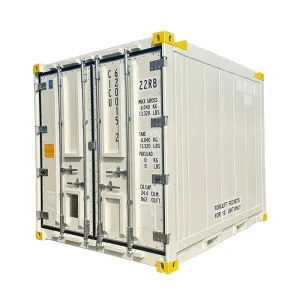
New 10ft Certified Thermo King Freezer Container
Integrated micro-climate thermal engineering with Thermo King machinery for deep-freeze pharmaceutical, biotech, and perishable food transit.
Get Exporter Quote →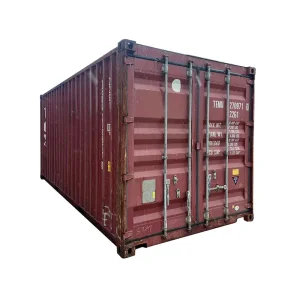
Buy 20ft Used Shipping or Storage Container
Refurbished IICL-grade 20ft general purpose containers tailored for secure on-site equipment housing, remote worksite storage, and intermodal transport.
View Product Details →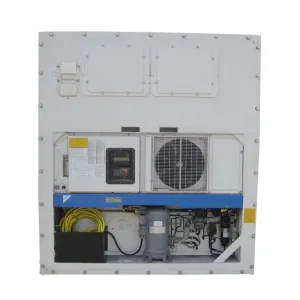
Refrigeration Equipment & Cooling Machinery Unit
High-COP precision compressor units compatible with Daikin, Carrier, and Thermo King platforms for ISO reefer intermodal maintenance.
View Exporter Pricing →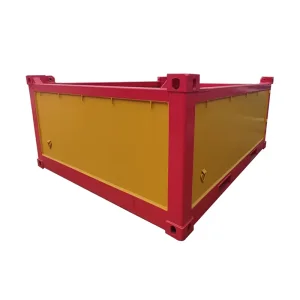
New Offshore Basket Container for Operations
DNV 2.7-1 / EN 12079 certified subsea tool and drill-pipe basket designed for deepwater crane lifting in extreme North Sea and tropical wave environments.
Offshore Quotes →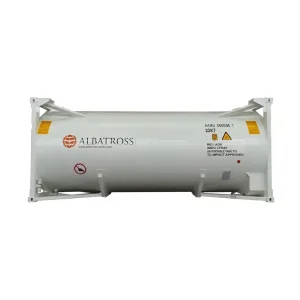
China 25,000 Liters ISO 20ft Gas Tank Container
ASME 'U' stamp pressure vessel built within a standard 20ft frame for high-purity industrial gases, cryogenic fluids, and LNG distribution.
Factory Specifications →The Global Commercial & Industrial Reality of 20-Foot Containers
How the standard Twenty-Foot Equivalent Unit (TEU) continues to serve as the unshakeable bedrock of global maritime, rail, and land logistics networks.
The Ergonomics of Dense Industrial Cargo
While 40-foot containers dominate high-cube retail and consumer electronics shipments due to cubic volumetric efficiency, the 20 feet shipping container (1 TEU) remains the structural champion for high-density, heavy industrial freight. Commodities such as metal concentrates, bulk grains, chemicals in flexitanks, industrial machinery components, ceramic tiles, and steel coils quickly reach road and rail weight thresholds long before utilizing the cubic capacity of a 40-foot box.
Consequently, shipping lines and multimodal logistics operators rely on 20-foot units to maximize vessel deadweight tonnage without violating highway axle load regulations in Europe, North America, and emerging economies across Africa and Latin America.
China's Unrivaled Manufacturing Ecosystem
China's container fabrication clusters—concentrated heavily along key maritime corridors in Tianjin, Shanghai, Suzhou, Ningbo, Qingdao, and the Greater Bay Area—produce over 95% of the world's intermodal shipping equipment. This manufacturing hegemony is not merely rooted in assembly capacity, but in complete supply-chain vertical integration.
From domestic primary smelting of atmospheric corrosion-resistant Corten steel (SPA-H grade) to automated continuous roll-forming of corrugated wall panels, robotic submerged-arc seam welding, specialized anti-corrosive eco-paint coatings, and heavy-duty 28mm marine-grade apitong plywood mills, Chinese container factories provide absolute consistency at economies of scale that no other country can duplicate.
Emerging Industry Trends: Green Coatings, Telemetry & Energy Transition
The standard steel intermodal box is undergoing a profound digital, metallurgical, and structural evolution to satisfy net-zero carbon goals and smart supply chain governance.
Waterborne Eco-Coatings & VOC Mitigation
To adhere to stringent environmental regulations and global ESG protocols, China container manufacturing lines have fully shifted away from solvent-based paints toward waterborne zinc-rich epoxy and polyaspartic coatings. These multi-layer paint systems significantly diminish volatile organic compound (VOC) emissions while yielding enhanced durability against salt-spray corrosion (ASTM B117 standards exceeding 1,500 hours).
Embedded IoT Telemetry & Smart Tracking
Next-generation 20-foot dry and reefer boxes are increasingly rolling off assembly lines with factory-integrated smart telematics nodes. Powered by ultra-low-power microcontrollers, harvestable solar film, and satellite/cellular dual-mode transceivers, these modules provide real-time GPS positioning, door open/close acoustic sensor monitoring, internal shock analysis, and atmospheric condition telemetry directly to logistics enterprise systems.
BESS (Battery Energy Storage) Modular Enclosures
The explosive growth of utility-scale renewable power has transformed the 20-foot container into the universal form-factor for Battery Energy Storage Systems (BESS). Factories in China are engineering customized 20-foot structural shells with internal thermal break insulation, explosive-gas release blow-out panels, HVAC chillers, and NFPA 855 fire-suppression raceways to hold multi-megawatt-hour lithium iron phosphate (LiFePO4) cell racks.
Localized Real-World Applications of 20ft Intermodal Units
Beyond traditional container ships, the structural robustness of China-manufactured 20-foot platforms powers vital global operations.
Cold Chain & Pharma Distribution
Fitted with precision Thermo King, Carrier, or Daikin refrigeration machinery, 20-foot reefers ensure strictly regulated -30°C to +30°C thermal stability for vaccines, biologics, high-value cuts of meat, and fresh seasonal harvests across island archipelagos and inland transport lanes.
Offshore Oil, Gas & Subsea Drilling
Constructed to stringent DNV 2.7-1 / EN 12079 standards, specialized 20ft offshore dry vans, half-height ore bins, and basket units endure extreme marine wave actions, deck impacts, and continuous saline spray on dynamic rigs in the North Sea, Gulf of Guinea, and Southeast Asian basins.
Hazardous Liquid & Gas Transport
20ft ISO tank containers (T11, T14, T50, and cryogenic gas variants) eliminate intermediate barrel handling. Liquid chemicals, beverage-grade ethanol, liquified petroleum gases, and high-purity process water are loaded seamlessly across intermodal road chassis, rail flatcars, and container hulls.
Mobile Edge Computing & Telecom
With internal acoustic attenuation, EMI shielding, thermal dissipation conduits, and built-in liquid cooling circuits, 20-foot modified shells serve as drop-in mobile data centers, crypto-mining hubs, and emergency military telecommunications shelters ready for instantaneous hookup.
Civil Defense & Modular Habitats
Standardized twist-lock geometry allows 20ft units to be shipped via standard port infrastructure and immediately deployed as rapid medical clinics, disaster relief field headquarters, secure equipment vaults, or stackable worker dormitory units in remote mining concessions.
Heavy Bulk Ore & Mineral Concentrates
Half-height 20ft open-top units with mechanical tipper compatibility allow copper, iron, bauxite, and lithium ores to be transported from inland pitheads directly into ship cargo holds without re-handling, preventing environmental dust pollution and cargo shrinkage.
Structural Parameters: 20ft Configurations vs Industry Equivalents
A rigorous review of external dimensions, payload capacities, structural tolerances, and classification requirements across major 20ft variants.
| Configuration Variant | External Dimensions (L×W×H) | Internal Clear Volume | Tare Weight (Avg) | Max Gross Mass (MGM) | Primary Industrial Use-Case |
|---|---|---|---|---|---|
| 20ft Standard Dry (20GP) | 6,058 × 2,438 × 2,591 mm | 33.2 m³ (1,172 cu ft) | 2,180 - 2,250 kg | 30,480 kg (67,200 lbs) | Dense general cargo, minerals, machinery parts, flexitanks |
| 20ft High Cube (20HC) | 6,058 × 2,438 × 2,896 mm | 37.4 m³ (1,320 cu ft) | 2,340 - 2,420 kg | 30,480 kg (67,200 lbs) | Light industrial bulk, equipment housing, modular shelter conversions |
| 20ft ISO Reefer (20RF) | 6,058 × 2,438 × 2,591 mm | 28.3 m³ (999 cu ft) | 2,980 - 3,100 kg | 30,480 kg (67,200 lbs) | Perishable food, biological pharmaceuticals, deep-frozen meats |
| 20ft ISO Tank (T11/T14) | 6,058 × 2,438 × 2,591 mm | 14,000 - 26,000 L | 3,500 - 4,200 kg | 36,000 kg (special limits) | Food-grade liquids, industrial solvents, hazardous chemicals |
| 20ft Offshore Dry (DNV 2.7-1) | 6,058 × 2,438 × 2,591 mm | 29.5 m³ | 3,800 - 4,200 kg | 15,000 - 20,000 kg | Dynamic crane lifting to offshore platforms, heavy tools |
| 20ft Flat Rack (Collapsible) | 6,058 × 2,438 × 2,591 mm | Open Frame / Platform | 2,750 - 2,900 kg | 34,000 - 40,000 kg | Out-of-gauge (OOG) machinery, heavy pipes, construction trucks |
*Note: Manufacturing specifications can be customized per project drawing. All certified units are delivered with valid CSC (International Convention for Safe Containers) safety approval plates stamped by Bureau Veritas (BV), ABS, CCS, or LR.
Factory Auditing, QC Inspection & TCO Optimization
A rigorous roadmap for corporate procurement officers and logistics executives sourcing container fleets directly from Chinese manufacturing centers.
1. Steel Grade Verification (SPA-H)
Ensure your supplier contract strictly stipulates SPA-H or Corten-A equivalent atmospheric corrosion-resistant steel for all outer corrugated panels (1.6mm roof, 2.0mm side walls), corner posts (6.0mm hot-rolled profiles), and structural sills. Ordinary mild steel (Q235) will experience rapid pitting oxidation in marine environments, sharply diminishing resale value and structural life.
2. Floor Load Ratings & Treatment
Standard intermodal boxes feature 28mm certified hardwood plywood (such as Keruing or Apitong) or bamboo-composite floorboards. Verify that flooring has passed ISO 1496/1 wheel test requirements (7,260 kg axle loads) and is treated with Australian Department of Agriculture (DAFF/AQIS) compliant anti-pest preservatives for unhindered customs clearance.
3. Coating Thickness & Dry Film Specs
Inspect factory paint specification sheets for dry film thickness (DFT). Optimal marine anti-corrosion requires a three-tier system: zinc-rich epoxy primer (30-40 μm), epoxy intermediate barrier coat (40-50 μm), and acrylic/polyurethane topcoat (40-50 μm), yielding a total system DFT of at least 110-140 μm to meet ISO 12944 C4 or C5M durability categories.
4. Door Gaskets & Hardware Tolerances
Inspect the door closure perimeter. Dual or triple-lip continuous EPDM gaskets prevent fine dust and high-pressure salt fog ingress. Verify forged steel locking bars, cams, keepers, and handle hubs with hot-dip zinc galvanization (exceeding 80 μm thickness) to prevent seizing in sub-zero or equatorial operations.
5. Classification Society Certification
Every newly constructed box for international ocean shipping must possess third-party certification stamped on the CSC plate. Prominent verifying classification societies include Bureau Veritas (BV), Lloyd's Register (LR), American Bureau of Shipping (ABS), and China Classification Society (CCS). Confirm that type tests include stacking (192,000 kg), transverse racking, end wall strength, and roof load verifications.
6. One-Way "Cabotage" Positioning
To drastically compress inland and international delivery costs, buyers should negotiate One-Way Cargo Load (SOC - Shipper Owned Container) positioning. Factories pack export cargo destined for the buyer's destination port, effectively subsidizing or completely eliminating ocean transit freight fees for the newly purchased container asset.
Frequently Asked Questions on China 20ft Containers & Factories
Comprehensive engineering and commercial responses addressing the most critical inquiries of overseas importers and fleet managers.
What is the exact difference between standard Corten steel and commercial mild steel in container fabrication?
Standard ISO containers are engineered using specialized weathering steel, most notably SPA-H grade (JIS G3125) or ASTM A588/A242 (commonly termed Corten). This alloy contains specific alloying percentages of copper, chromium, nickel, and phosphorus. When exposed to cyclic atmospheric weathering and marine salt atmospheres, the alloy develops an ultra-dense, self-passivating protective patina (oxide film) that halts deep oxygen diffusion into the metal substrate.
In contrast, non-standard or counterfeit units constructed using commercial carbon steel (such as generic Q235) will experience runaway rust flaking, structural delamination, and rapid corrosion perforation within 2 to 3 years under maritime shipping conditions. Leading Chinese factories mandate certified mill test certificates (MTC) for all incoming steel coils.
Can 20-foot shipping containers be certified for both offshore oilfield and regular ISO ocean freight?
Yes, but they must be built to the dual-certification criteria of DNV 2.7-1 / EN 12079 alongside ISO 1496-1 / CSC requirements. While a standard ISO container is engineered primarily for vertical corner-casting stacking in containership cell guides, an offshore container is designed for dynamic offshore crane transfers under extreme ocean wave conditions.
Offshore units utilize dramatically heavier structural framing, thicker steel plates, integrated padeyes welded directly to the main corner structures for certified four-leg wire rope lifting slings, and sub-zero impact tested steel (-20°C Charpy V-notch testing) to resist brittle fracture in Arctic or storm-swept sea conditions.
What are the typical lead times and production minimums (MOQ) for custom OEM/ODM 20ft container designs?
For standardized 20ft dry cargo containers (20GP), automated production lines in China operate at extraordinarily rapid volumes, often capable of producing a finished unit every 3 to 5 minutes once tooling is aligned. Minimum order quantities for stock builds typically start at 10 to 50 TEUs.
For heavily customized OEM/ODM projects (such as side-opening access doors, heavy-duty floor roller beds, specialized insulation packages, roll-up shutter doors, or pre-cut equipment recesses), standard engineering cycles require 1 to 2 weeks for CAD/3D finite element analysis (FEA) drawings approval, followed by 3 to 4 weeks for prototype fabrication, weld testing, water-spray tight testing, and final third-party class certification.
How does the total cost of ownership (TCO) compare between brand-new and certified used 20ft containers?
The TCO equation depends heavily on the intended operational duration and regulatory environment. A factory-new "one-trip" 20ft container typically provides an active intermodal lifespan of 15 to 25+ years with minimal maintenance overhead, retaining up to 60-70% of its initial capital asset value on the international secondary market after 8 years.
Conversely, certified used IICL-5 or Cargo Worthy (CW) containers—typically retired by shipping lines after 10 to 14 years of active sea service—offer an acquisition cost roughly 40-55% lower than new builds. While suitable for static on-site storage or regional one-off transport, they require recurring inspection, floor repainting, and gasket patching, and may face shorter residual CSC plate re-certification periods for continued ocean transport.
What structural tests are mandatory for a 20ft container to achieve an authentic CSC Safety Plate?
According to ISO 1496 standards and the International Convention for Safe Containers (CSC), production line prototypes must undergo and pass an exhaustive battery of physical stress tests overseen by accredited surveyors (e.g., BV, ABS, CCS):
- Stacking Test: Static compression of corner posts with an internal load of 1.8 × MGM, subjecting the bottom corner castings to up to 192,000 kg (equivalent to stacking fully loaded containers 9 high).
- Lifting from Corner Castings: Dynamic top and bottom lift at 2 × MGM.
- Floor Strength Test: Loaded vehicle axle test of 7,260 kg traversing the interior flooring.
- Transverse and Longitudinal Racking: Simulating ship rolling and pitching torsional moments.
- Weatherproof Weather-Tightness: High-pressure water jet spraying along all door seams, rivets, and welded joints at 100 kPa from a distance of 1.5 meters.
Specialized Liquid, Vehicle & Bulk Transport Solutions
Explore custom-engineered platform frames, chemical tank containers, high-cube reefers, and bulk cargo solutions manufactured across China's leading coastal export yards.
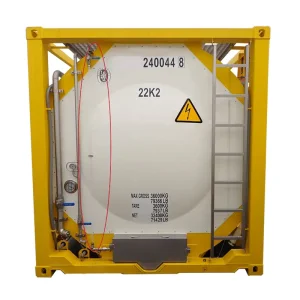
ODM 20ft Tank Container for Alcohol Logistics
Sanitary food-grade 316L stainless steel tank shell with specialized thermal insulation and steam heating channels for high-proof spirits and food spirits.
Request Manufacturer Quotes →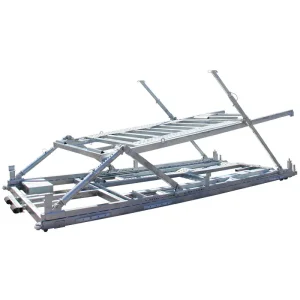
China Vehicle Transport Modular Racks
High-strength internal stacking frame engineered to pack multiple commercial sedans and SUVs safely into standard ISO container boxes without transit scratch risks.
View Exporter Catalog →
Used 40ft High-Cube Certified Reefer Unit
Pre-inspected cold chain equipment with high-cube volume capacity, stainless steel interior lining, and certified Carrier/Thermo King chilling units.
Get Certified Pricelist →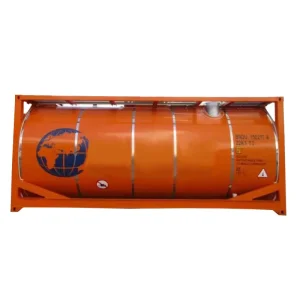
20 Foot ISO Liquid Tank Container for Water
Potable drinking water and non-hazardous liquid storage tank housed in a heavy-duty 20ft external corner-cast frame with top and bottom discharge valves.
Explore Product Details →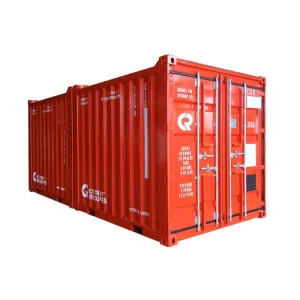
New DNV Certification Offshore Dry Cargo Container
Manufactured with structural steel certified to DNV GL 2.7-1 standards for heavy marine platform operations, external rigging, and harsh sub-zero conditions.
View Factory Certifications →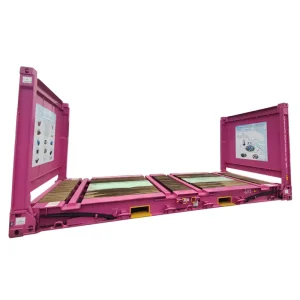
ODM New 20ft Heavy Platform Frame Container
Flat-bed high-tensile steel platform without end walls, designed for oversized industrial generators, mining turbines, and out-of-gauge equipment.
View Exporters Pricelist →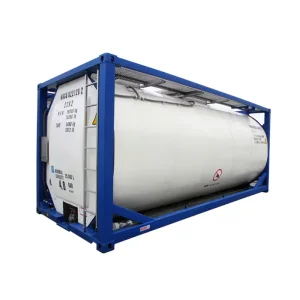
ISO Standard 20ft Versatile Chemical Tank
T11/T14 certified hazardous liquid ISO vessel featuring specialized anti-corrosive internal fluoropolymer linings and comprehensive safety pressure release devices.
Request Chemical Specs →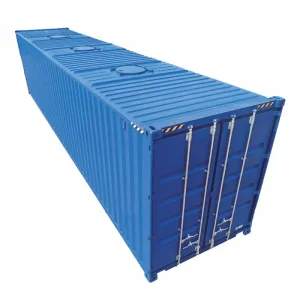
20 Feet Intermodal Bulk Shipping Container
Engineered with specialized roof-loading hatches and front discharge hatches for automated pneumatic transfer of grains, resins, and agricultural bulk materials.
Manufacturer Exporter Info →Optimizing Global Sourcing Through Direct Factory Alliances
Harness China's premier intermodal manufacturing capabilities to scale your enterprise container fleet with guaranteed metallurgical compliance, international classification approvals, and synchronized logistics delivery.
Standardized Quality Audits
Access verified inspection records, Charpy weld fracture impact tests, and multi-angle digital QA reports before your containers leave the assembly depot.
Deep Customization (OEM/ODM)
From specialized high-cube dimensions to integrated cryogenic tanks and BESS clean-energy housings, engineering drafts are tailored directly to your commercial brief.
Global Fleet Deployment
Strategic shipping hub positioning across Tianjin, Suzhou, Shanghai, and Qingdao guarantees rapid vessel staging and flexible one-way cabotage routing worldwide.