
Featured Specialized & Refrigerated Cargo Units
Engineered for extreme offshore conditions, international maritime cold transit, and multimodal distribution. Review our top-specifications ready for dispatch.
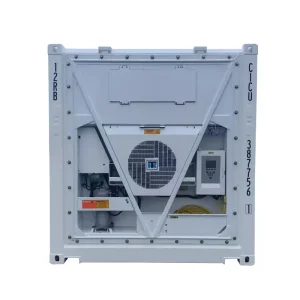
OEM 20ft Offshore Refrigerated Container DNV Certification
View Specifications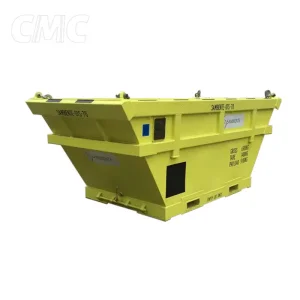
Famous DNV Certification Silt Basket Container Used in Offshore Operations
View Specifications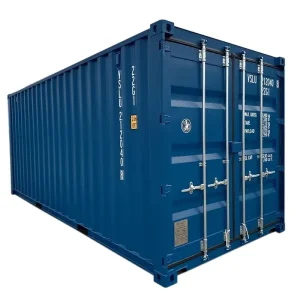
Buy New 20ft Double Door Dry Cargo Shipping Container Products
View Specifications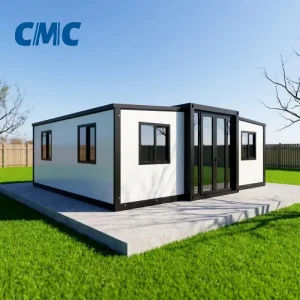
OEM 20ft Modular Container Houses Expandable Steel Container House
View Specifications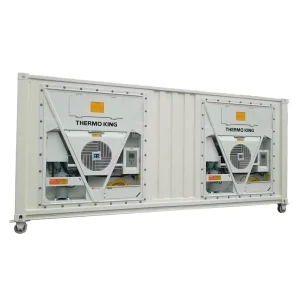
High-Quality The New Blast Reefer Containers Certified
View Specifications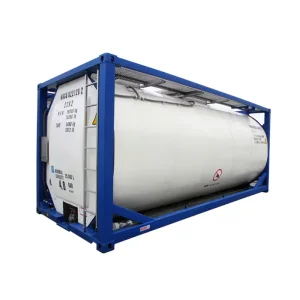
Buy ISO Standard 20ft Versatile Tank Container for Transport Chemicals
View Specifications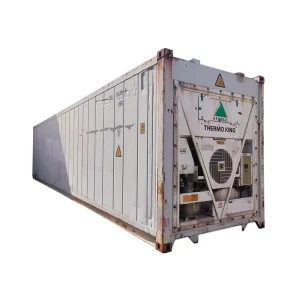
ODM New 40ft Refrigerated Freezer Container for Sale Factory
View Specifications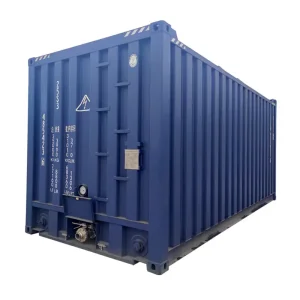
Buy New 20ft Square Liquid Container Factory, Product
View SpecificationsGlobal High Cube Reefer Dynamics & Structural Transformation
An authoritative evaluation of macro cold-chain expansions, thermodynamic efficiencies, and smart telematics transforming global perishable cargo handling.
Thermodynamic Volume Optimization
The global shipping ecosystem is rapidly pivoting away from standard 8'6" GP units to 9'6" High Cube (40RH) configurations. The extra vertical foot provides a 12% expansion in internal volume—increasing effective cargo capacity to approximately 67.6 m³ without enlarging the deck footprint.
This geometric shift allows superior bottom-air distribution via deep T-bar flooring, enabling cold air circulation under higher air pressures and eliminating microclimate hot pockets in dense pallet matrices.
Microprocessor & CA Preservation
Controlled Atmosphere (CA) technology integrated into modern high cube reefers dynamically modifies oxygen and carbon dioxide levels (e.g., maintaining O₂ at 2%-5% and CO₂ at 3%-7%). This biochemical regulation retards respiration rates, prolongs the shelf life of climatic fruits, and allows extended transit across trans-oceanic lanes.
Smart telematics systems communicate operating parameters via satellite and cellular interfaces in real-time, providing automated defrosting, power consumption metrics, and instant fault alerts.
Decarbonization & Low-GWP Coolants
International environmental accords, including the Kigali Amendment, require systematic transitions to low Global Warming Potential (GWP) refrigerants. High cube reefers incorporate advanced refrigeration packages utilizing R-513A or natural CO₂ refrigerants (R-744) characterized by zero ozone depletion.
Equipped with Variable Frequency Drive (VFD) scroll and reciprocating compressors, our machinery adjusts workload dynamically, slashing lifetime electrical draw aboard intermodal ships and container yards.
Enterprise Buyer Requirements & Total Cost of Ownership (TCO)
Modern supply chain directors evaluate refrigeration fleets by asset life-cycles, insulation resilience, maintenance overhead, and multi-vendor unit interoperability.
K-Value Thermal Retention
Energy conservation relies on high-density, cyclopentane-blown polyurethane foam core insulation (40-45 kg/m³). An industry-leading low overall heat transfer coefficient (K-value ≤ 0.36 W/m²·K) ensures minimal thermal leakage through sidewalls and roof panels, protecting interior climates even in tropical ambients exceeding 45°C.
Mechanical Unit Modularity
Institutional fleet owners demand universal unit interfaces. Our frames are dimensioned to house leading industry-standard refrigeration assemblies, including Carrier Transicold (ThinLINE, PrimeLINE), Thermo King (Magnum Plus), and Daikin (Zestia), assuring zero friction during port-side repairs and global spare-parts procurement.
Pharmaceutical GDP Compliance
Meeting Good Distribution Practice (GDP) protocols requires continuous thermal traceability. Our High Cube reefers feature multi-point thermal mapping sensor fittings, secure internal mounting points, and dual electronic dataloggers that safeguard high-value biopharmaceuticals, vaccines, and active ingredients under strict temperature regimens.
Corrosion & Structural Fatigue
To combat marine salt spray and heavy racking stresses aboard ultra-large container vessels (ULCVs), outer structures feature high-yield SPA-H Corten steel, while interior linings use food-grade SUS 304 or mirror-finish stainless steel, reinforced by anti-microbial MGPS aluminum extruded floors.
China Smart Factory 4.0: Resilient Engineering & Cost Superiority
Positioned in the manufacturing corridors of Tianjin and Suzhou, our facilities integrate robotic fabrication, continuous thermal foaming, and direct deepwater logistics access.
High-Pressure Sandwich Injection
Thermal insulation is formed using computerized, high-pressure polyurethane foaming presses. Continuous multi-zone heated clamping platens maintain strict density distributions across the 12-meter panels without voids or thermal bridging.
This structural bonding process increases structural skin cohesion, providing robust panel rigidity capable of resisting high internal cargo hydraulic surges and external dynamic rail forces.
Automated Robotic Arc Welding
Structural integrity relies on robotic multi-axis welding for primary corner cast posts, bottom rails, and top side crossmembers. Every primary weld seam undergoes ultrasonic non-destructive testing (NDT) to prevent structural cracking during vertical crane hoistings and high-stack tier arrangements.
Our proprietary multi-stage cathodic electrodeposition primer and zinc-rich fluorocarbon coating systems yield exceptional resistance, passing rigorous 1,500-hour neutral salt-spray evaluations.
Integrated Port Logistics (100 km Radius)
Our production compounds in Tianjin and Suzhou are within 100 kilometers of the world's highest-volume deepwater maritime ports. This proximity reduces overland transport overhead, expedites empty container turnaround, and facilitates rapid factory-to-berth vessel transfers.
Integrated supply chains provide rapid access to domestic steel mills, composite extrusions, and specialized fasteners, safeguarding delivery commitments against global disruptions.
Technical Dimensions & Intermodal Operational Metrics
Standard baseline dimensional data for dry cargo, insulated, offshore, and high-cube refrigeration platforms engineered to ISO/Csc and DNV 2.7-1 directives.
| Model / Configuration | External Dimensions (L×W×H) | Internal Dimensions (L×W×H) | Internal Volume | Max Gross Mass | Optimal Cargo Application |
|---|---|---|---|---|---|
| 40ft High Cube Reefer (40RH) | 12.192 × 2.438 × 2.896 m | 11.583 × 2.290 × 2.557 m | 67.6 m³ | 34,000 kg | Protein exports, fruits, dairy, high-value biopharmaceuticals |
| 20ft Standard Reefer (20RF) | 6.058 × 2.438 × 2.591 m | 5.444 × 2.290 × 2.275 m | 28.3 m³ | 30,480 kg | Dense frozen seafood, boutique cold chain, site cold stores |
| 40ft High Cube Dry (40HC) | 12.192 × 2.438 × 2.896 m | 12.032 × 2.352 × 2.698 m | 76.3 m³ | 30,480 kg | High-cube consumer items, dry volume logistics, modular shells |
| 20ft General Purpose (20GP) | 6.058 × 2.438 × 2.591 m | 5.898 × 2.352 × 2.393 m | 33.2 m³ | 30,480 kg | Dense mineral ores, industrial machinery, components |
| DNV 20ft Offshore Reefer | 6.058 × 2.438 × 2.591 m | 5.320 × 2.180 × 2.150 m | 24.9 m³ | 15,000 kg | Rig operations, deepsea platform supply, extreme seas |
Localized Multi-Sector Industrial & Commercial Applications
Versatile configurations deployed across marine transportation corridors, inland logistics centers, mining sites, and temporary cold-storage infrastructure.
Trans-Oceanic Agrifood Corridors
Transporting high-respiration produce such as bananas, avocados, and berries across trans-Pacific and transatlantic lanes demands consistent internal air delivery. High Cube reefers distribute low-temperature air uniformly via T-profile flooring, preventing condensation build-up, chilling injuries, and premature ripening across voyages up to 45 days.
Modular Cold Storage & Food Hubs
Fixed brick-and-mortar cold warehouses require high capital expenditure and lengthy construction permits. Enterprises utilize our stationary 40ft High Cube reefers equipped with flat interior flooring, interior release safety handles, and energy-saving strip curtains to expand warehouse footprints on demand.
Offshore Rigs & Extreme Environments
For North Sea energy platforms, Arctic mining ventures, and offshore accommodation setups, our DNV 2.7-1 / EN 12079 certified containers operate reliably in sub-zero and corrosive conditions. Pad eyes, specialized slings, and explosion-proof electrical switchgear deliver certified durability in high-vibration environments.
High Cube Cold-Room, Chemical & Intermodal Fleet Solutions
Browse our extended product portfolio including Carrier cold stores, car carriers, side-door units, and auxiliary diesel gensets ready for global export.
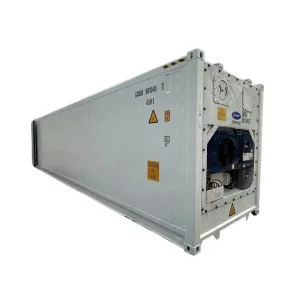
Buy Ninety Percent New Used 40ft HC Carrier Refrigerated Container
View Specifications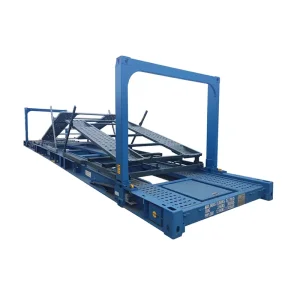
China New 20ft Car Carrier Container Special Container Exporter
View Specifications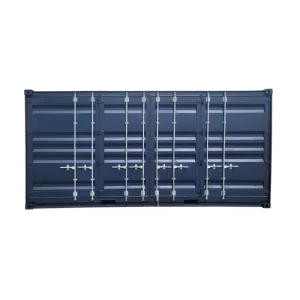
High-Quality New 20ft Customized Side Door Dry Cargo Container
View Specifications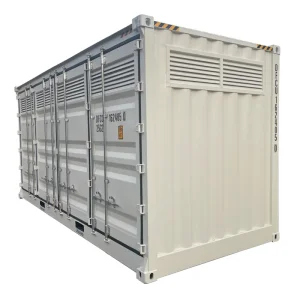
Famous 20FT High-cube Dangerous Goods Container Side Open Door
View Specifications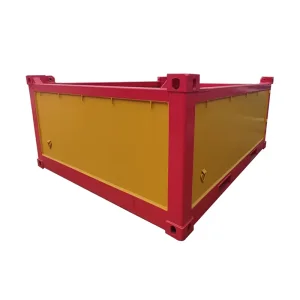
High-Quality New Offshore Basket Container for Offshore Operations
View Specifications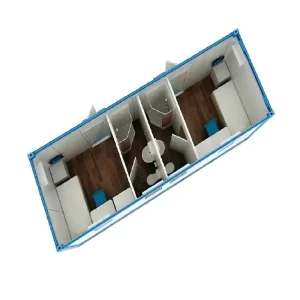
Famous 20ft 40ft Standard Accommodation Modular House Container
View Specifications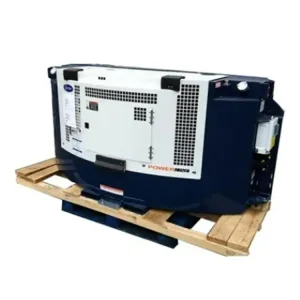
China Refrigerated Container Diesel Generator (Clip-On Genset)
View Specifications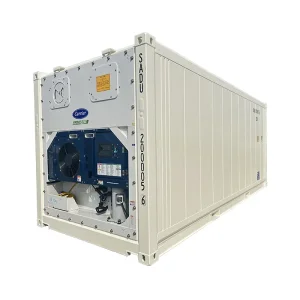
High-Quality New 40ft High Cube Carrier Refrigerator Freezer Cold Room
View SpecificationsFrequently Asked Technical & Sourcing Questions
Direct engineering insights into High Cube Reefer integration, power parameters, certification renewals, and customized fabrication schedules.
What core thermodynamic advantage does a 40ft High Cube Reefer offer over standard units?
The 40ft High Cube Reefer (40RH) provides an exterior height of 9'6" (2,896 mm) compared to standard 8'6" (2,591 mm) units, increasing internal cubic capacity to 67.6 m³ (~2,387 cu. ft). This vertical dimension allows taller pallet loading configurations while preserving the required 120 mm ceiling airflow clearance. The improved headspace ensures even cold-air circulation over and through dense cargo stacks, preventing hotspots and maintaining temperature stability within ±0.1°C across the container.
What power architectures, voltages, and auxiliary configurations are supported?
Standard refrigeration units (Carrier, Thermo King, Daikin) operate on dual 380V/460V 3-phase AC power at 50/60 Hz, drawing between 5.5 to 15 kW depending on ambient temperature and operating mode. For continuous transport across rail or highway routes without active grid connections, we supply front-mount clip-on or chassis underslung diesel generator sets (gensets) equipped with 50-gallon fuel reserves, ensuring 72–120 hours of self-powered refrigeration.
Which maritime certification registries and international standard plates are issued?
All containers are manufactured and certified in compliance with Bureau Veritas (BV), ABS, Lloyds Register, or China Classification Society (CCS) requirements. Every unit is fitted with a stainless-steel CSC (Convention for Safe Containers) safety plate and TIR customs plate. For offshore units, production conforms to DNV 2.7-1 / EN 12079 structural dynamics standards, including full material mill test certificates and third-party NDT verification.
What is the standard production cycle, QA inspection protocol, and port delivery timeframe?
Standard ISO catalog models maintain lead times of 15 to 25 days depending on batch volume, while custom OEM/ODM builds (e.g., side-access doors, custom butchery tracks, or dual-zone split configurations) typically complete within 30 to 45 days. Prior to dispatch, each unit undergoes a comprehensive Quality Assurance routine: automated pre-trip inspection (PTI), helium refrigeration leak detection, continuous 4-hour temperature pull-down validation, and dynamic weatherproofing tests. Units are subsequently trucked to the Tianjin or Shanghai terminals within 24 hours of release.