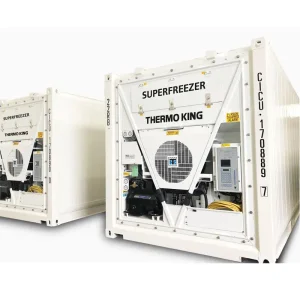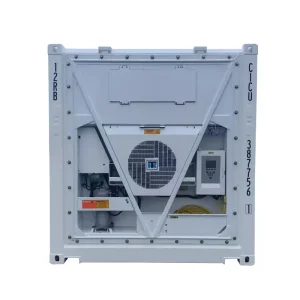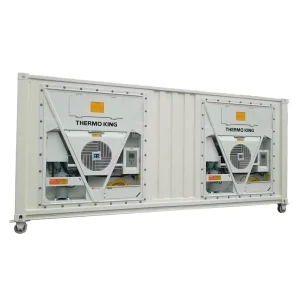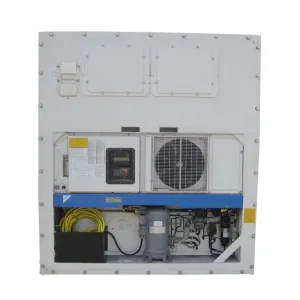
Cooling Unit For Refrigerated Containers
Buy Refrigeration Equipment /Cooling Unit For Refrigerated Containers Products, Exporters
Discover our factory-direct ISO standard and specialty reefer inventory tailored to heavy maritime shipping cycles, cold-chain integrity, and bulk oceanic payload capacities.
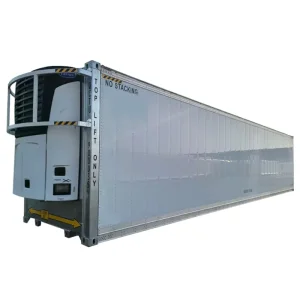
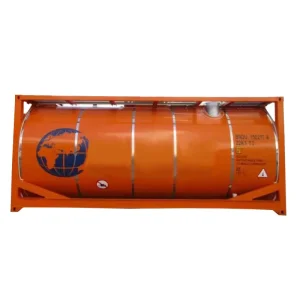
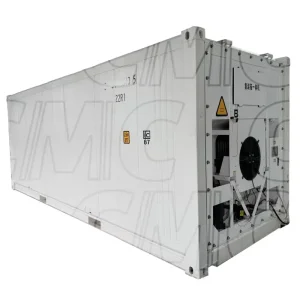
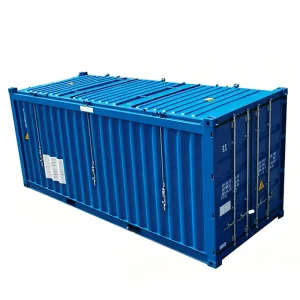
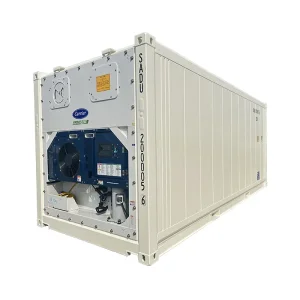
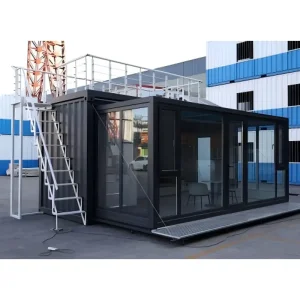
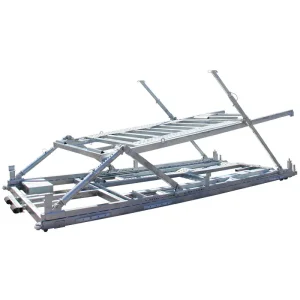
A deep architectural dive into container capital allocation, structural fleet replacements, and structural pricing variables within modern oceanic logistics.
Ocean container pricing is intimately tied to industrial Corten-A steel spot markets, global trade imbalances, and carrier repositioning bottlenecks. Sourcing high-specification marine hardware requires balancing raw payload longevity against standardized life-cycle amortization.
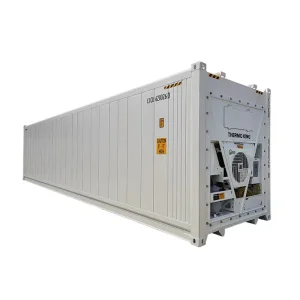
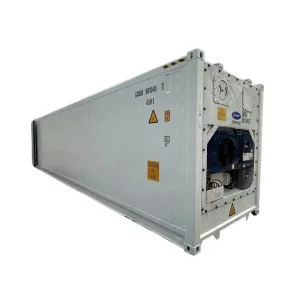
With pharmaceutical transit mandates and stringent agricultural spoilage thresholds, shipping lines are rapidly retiring legacy reefers in favor of integrated IoT smart telematics and high-efficiency Carrier and Thermo King micro-channel coil systems.
Ocean transit infrastructure enforces strict compliance with ISO 1496/1 series criteria, CSC safety conventions, and classification approvals from Bureau Veritas (BV), ABS, and DNV to withstand 9-high fully loaded tier stacking regimes.
Structural Yield Retention
Marine Coating Grade
Thermal Hold Integrity
Weld Inspection Standard
Engineering marine containers for dual-use operational readiness across diverse geographies, from harsh offshore extraction to remote agrarian logistics hubs.
Constructed under strict DNV 2.7-1 / EN 12079 certifications, offshore-ready units incorporate heavy pad-eyes, explosion-resistant electrical conduits, and low-temperature impact tested steel for North Sea and equatorial offshore drilling fields.
Equipped with ultra-low thermal dissipation polyurethane foam (0.022 W/m·K) and hermetically sealed extruded aluminum T-flooring, these units provide precise temp hold down to -40°C even under sustained tropical 45°C ambient maritime heat indexes.
Designed with dimensional tolerances compliant with global standard rail gauges and over-the-road chassis lockpins, our units facilitate frictionless transition across marine dockside gantries, heavy rail corridors, and overland trunk highways.
Rooted in strategic port zones, our manufacturing ecosystem combines state-of-the-art robotic assembly with robust Tier-1 supply integration.
Our manufacturing compounds sit within 100 kilometers of deep-water container terminals. This geographical synergy eliminates interprovincial transport deadhead miles, mitigates inland drayage volatility, and ensures streamlined dock-ready export staging.
Every ocean structural member is fabricated with specialized SPA-H Corten alloy steel, generating a stable, protective passivation layer when exposed to saline air. Combined with zinc-rich epoxy primers, containers demonstrate a lifespan extending beyond 15–20 years.
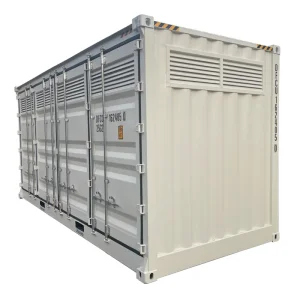
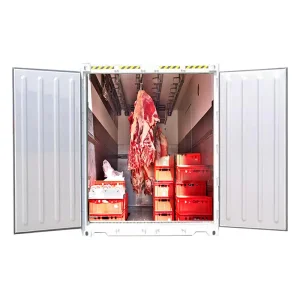
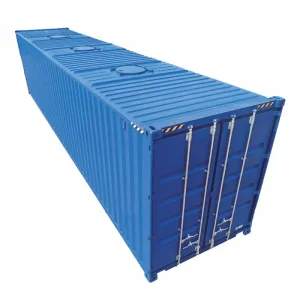
From customized side-open hydraulic access doors and cryogenic meat-rail assemblies to dual-voltage solar hybridization systems, our CAD/CAM engineers translate custom technical parameters into certified, class-compliant builds within accelerated lead times.
Mapping structural innovations, zero-emission thermal engineering, and AI-enabled asset visibility driving next-generation containerization.
Integration of autonomous satellite-linked edge nodes transmitting real-time core telemetry: internal box atmosphere, humidity, GPS location, impact/vibration forces, and automated refrigeration fault diagnostics directly into shipping ERP clouds.
Aggressive transition toward next-generation refrigerants including R-513A and natural CO2 (R-744) units with ultra-low Global Warming Potential, adhering to prospective EU F-Gas mandates without sacrificing thermal pull-down performance.
Deploying optimized high-strength steel composites that reduce tare weight by up to 12% without diminishing gross payload, decreasing ocean bunker fuel consumption per TEU and bolstering carbon accounting indices.
Mitigating cross-border maritime import risks via standardized documentation, rigorous non-destructive structural testing, and international certification.
Each production run undergoes comprehensive batch testing under direct oversight of classification societies including Bureau Veritas (BV) and ISO auditors. Testing encompasses 9-high racking resistance, floor concentrated load tests, and air leakage verification.
Eliminate port clearance delays through automated issuance of CSC Safety Approval Plates, valid Customs Convention on Containers (CCC) filings, mill material test certificates (MTC), and standardized Phytosanitary certificates for all timber flooring treatments.
Comprehensive structural guarantee on frame elements combined with OEM warranties on cooling units (Carrier, Thermo King, Daikin) supported by widespread spare parts stocking across primary destination seaports throughout Europe, Africa, and the Americas.
Clear engineering answers addressing ocean freight durability, corrosion resistance, customs clearance, and bespoke customizations.
Engineered for hazardous cargo containment, offshore hoisting stability, and temperature-sensitive industrial freight logistics.