Engineered Intermodal & Special Cargo Containers
Verified heavy-duty equipment manufactured to withstand rigorous intermodal transport, harsh maritime conditions, and precise thermodynamic tolerances.
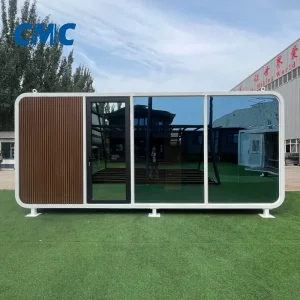
Famous 20ft Prefab Container House Flat Pack Modular House Office Tiny House Outdoor apple Cabin Office Pod Garden Office Pod Manufacturer
View Specifications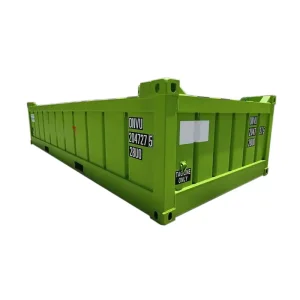
ODM New DNV Certification Offshore Half-Height Open Top Container Products, Exporters
View Specifications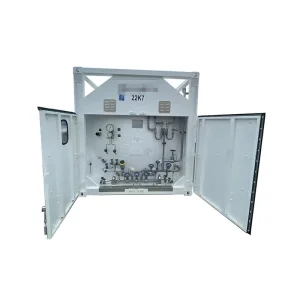
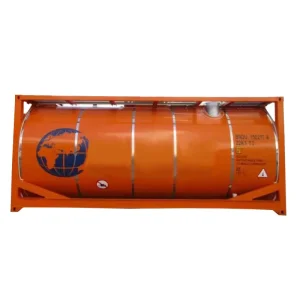
Famous T75 20ft Cryogenic Liquid Tank Container Products, Exporters
View Specifications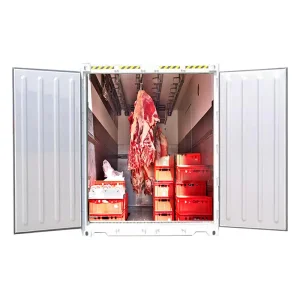
High-Quality Brand new hanging meat container for low temperature fresh transportation Pricelist, Products
View Specifications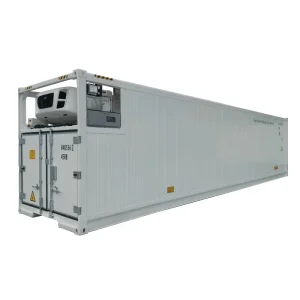
Famous New 40-foot high cube & 45-foot "Belt and Road" railway refrigerated container. Product, Products
View Specifications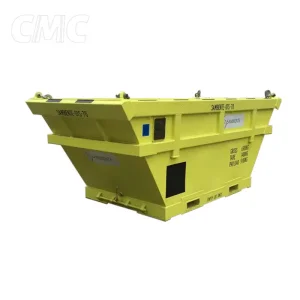
Famous DNV Certification Silt Basket Container Used in Offshore Operations Factories, Exporters
View Specifications
Buy New 40ft High Cube Thickened Foam Insulation Container Factory, Exporters
View Specifications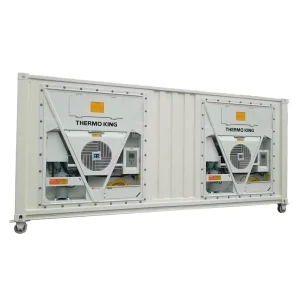
High-Quality The new blast reefer containers are certified by classification societies Manufacturers, Factories
View SpecificationsGlobal Storage Container Business: Structural Evolution & Macro Drivers
An authoritative analysis of supply chain diversification, technical containerization, and the rapid expansion of specialized storage engineering.
The international storage container business has evolved beyond conventional dry freight logistics. Today, institutional procurement focuses on specialized containment units engineered to manage complex cold-chains, deep-sea exploration, modular urbanization, and perilous chemical payloads under extreme operating environments.
Multimodal Interoperability
Global logistics networks demand standardized structural envelopes capable of frictionless transitions across maritime container vessels, heavy-haul railways (such as the Belt and Road initiative), and long-distance road logistics. Modern procurement insists on Corten steel integrity and ISO corner castings designed to endure up to 9-high stacking under full operational gross weights exceeding 30,480 kg.
Thermodynamic Precision
Temperature-controlled trade has elevated the demand for customized cold chain storage solutions. Incorporating Carrier, Daikin, and Thermo King machinery, high-performance reefer containers must guarantee deep freeze stability down to -35°C or specialized blast freezing cycles, supported by cyclically injected, high-density polyurethane insulation cores.
Modular Architecture
From temporary worksite accommodation to luxury Apple Cabins and modular healthcare suites, structural container engineering now serves as the foundation for modern off-site construction. Structural fire ratings, soundproofing membranes, and rapid plug-and-play assembly dictate vendor evaluation criteria globally.
Procurement Frameworks for Multimarket Operators
Addressing total cost of ownership (TCO), multi-point container repositioning, and application-specific asset engineering.
Turnkey OEM/ODM
Direct-from-factory customization of structural geometry: full side-opening access doors, heavy-payload roller shutters, reinforced floor plates for bulk ore carriage, and customized internal hanging-meat rails for fresh produce preservation.
DNV 2.7-1 Standards
For offshore energy installations, drilling rigs, and subsea engineering, standard shipping units fail safety thresholds. Offshore half-height baskets and silt containers require full DNV/EN 12079 certification, rigorous charpy impact testing, and integrated sling sets.
Cryogenic Containment
Handling LNG, liquid nitrogen, and technical gases requires precision vacuum-insulated double-walled stainless vessels mounted in standard ISO frames (such as T75 tank containers), combining international pressure vessel codes (ASME/AD2000) with global intermodal certifications.
Dual-Fleet Sourcing
Balancing operational capital expenditures through hybrid procurement strategies: sourcing brand-new custom builds for long-term specialized infrastructure alongside authenticated, 90%-new second-hand stock held at major Chinese coastal terminals.
Technological Innovations in Containerization (2025–2030)
Anticipating structural material evolution, smart tracking integration, and net-zero manufacturing trajectories.
IoT Telematics
Next-generation storage containers feature built-in IoT edge devices providing autonomous telemetry: GPS geofencing, real-time temperature monitoring, humidity control, CO2 atmosphere mapping, and shock/tamper alert architectures transmitting via hybrid satellite-cellular networks.
Advanced Composites
Transitioning beyond standard steel to include fiber-reinforced polymer (FRP) internal panels, vacuum-insulated panels (VIPs), and next-generation aerogels, resulting in thinner walls, significantly lowered tare weights, expanded payload volumes, and optimized thermal efficiency.
Low-Carbon Production
Integrating recycled steel formulations, waterborne paint coatings that eliminate volatile organic compounds (VOCs), and automated robotic welding protocols that lower embodied carbon footprints across the manufacturing lifecycle to satisfy corporate ESG directives.
Certification Standards, Quality Control & Port Proximity
Eliminating importation barriers with comprehensive Bureau Veritas (BV), ISO, and classification society certifications.
Certified Metallurgy
Every container is fabricated using weather-resistant structural Corten A/B grade steel, designed to develop a protective oxide layer that resists marine atmospheric corrosion. Marine timber flooring is systematically treated with approved non-toxic preservatives to meet international phytosanitary quarantine regulations.
Multi-Point Testing
Factory acceptance procedures encompass 100% weather-tightness water hose testing (minimum 200 kPa pressure), mechanical deflection analysis under simulated structural stacking loads, dimensional verification via optical laser systems, and refrigeration pull-down stress tests over prolonged periods.
Port Proximity Advantages
Operating specialized manufacturing facilities in Tianjin and Suzhou, situated within 100 km of international deep-water seaports, substantially mitigates inland freight expenses, minimizes chassis dwell times, and secures direct allocation on outward container vessels serving Africa, Europe, and the Americas.
Frequently Asked Questions for Industrial Buyers
Transparent answers regarding technical parameters, export workflows, structural modifications, and fleet logistics.
What types of storage and shipping containers are supplied for global export? +
Can containers be fully engineered to custom OEM/ODM specifications? +
Which international certifications and classification standards govern production? +
Which industrial refrigeration units are offered on cold-chain reefer models? +
How is quality authenticated for second-hand/used container inventory? +
Where are the primary industrial manufacturing centers and trade lanes situated? +
Offshore, Cold Chain & Specialized Structural Fleet
Explore specialized container configurations designed for challenging payloads, demanding mining projects, and remote site installations.
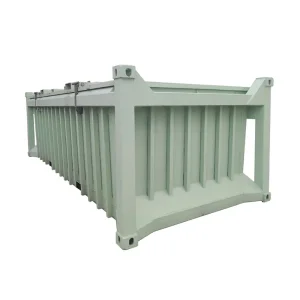
Buy New Half Height Ore Carrier Container Offshore Container Manufacturers, Quotes
View Specifications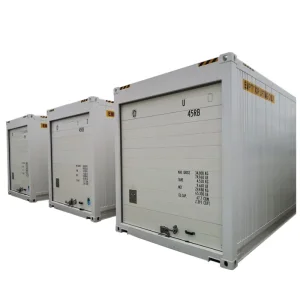
China 40ft High-Cube Roll Up Reefer Container Customized Shipping Containers Factory, Manufacturers
View Specifications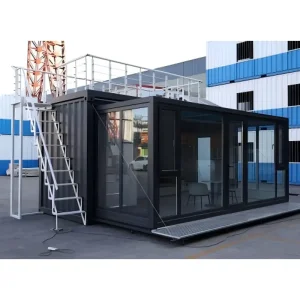
Famous 20ft Foldable Prefab Modular Homes Mobile Expandable Container House Prefabricated House with Bathroom Manufacturer, Exporters
View Specifications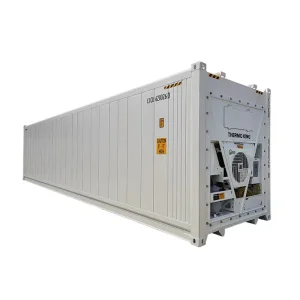
OEM New 40ft High-Cube Certified Reefer Shipping Cargo Container Pricelist, Product
View Specifications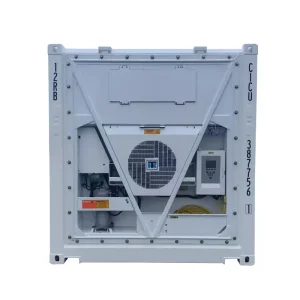
OEM 20ft Offshore Refrigerated Container DNV Certification Is More Durable Exporter, Exporters
View Specifications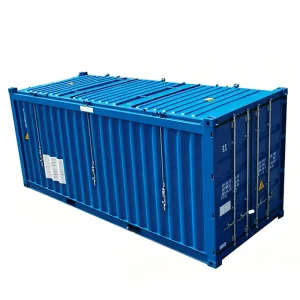
China 20ft New Hard Open Top Shipping Container Manufacturer, Factories
View Specifications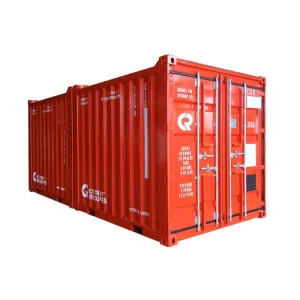
Buy New DNV Certification Offshore Dry Cargo Container Factory, Product
View Specifications