
Engineered 40ft & Intermodal Fleet Inventory
Explore high-tensile SPA-H Corten alloy dry freight units, precision reefer cold vaults, cryogenic tank architectures, and specialized offshore transport equipment.
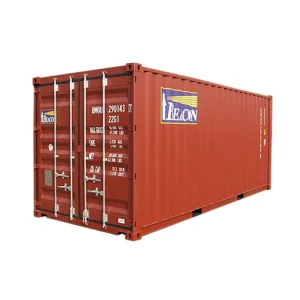
ODM 40ft New Certified Dry Shipping Container Pricelist, Exporters
View Specifications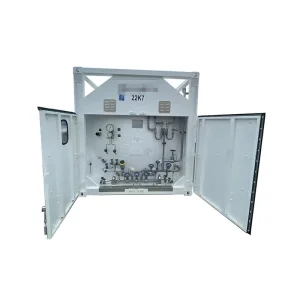
Famous T75 20ft Cryogenic Liquid Tank Container Products, Exporters
View Specifications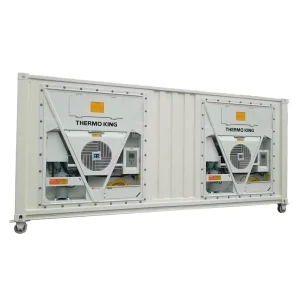
High-Quality The new blast reefer containers are certified by classification societies Manufacturers, Factories
View Specifications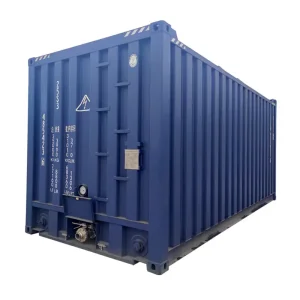
Buy New 20ft Square Liquid Container Factory, Product
View Specifications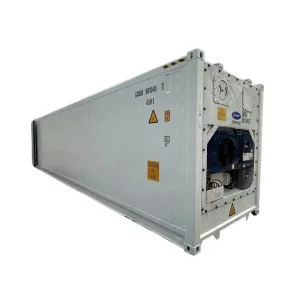
Buy Ninety Percent New Used 40ft HC Carrier Refrigerated Container Product, Quotes
View Specifications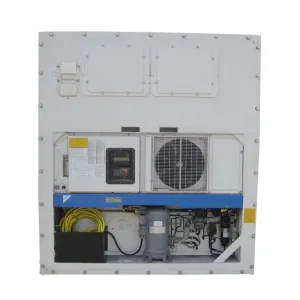
Buy Refrigeration Equipment /Cooling Unit For Refrigerated Containers Products, Exporters
View Specifications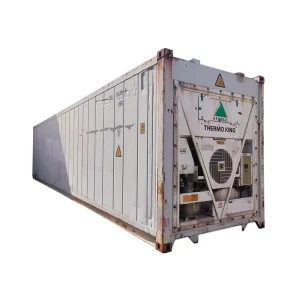
ODM New 40ft Refrigerated Freezer Container for Sale Factory, Exporter
View Specifications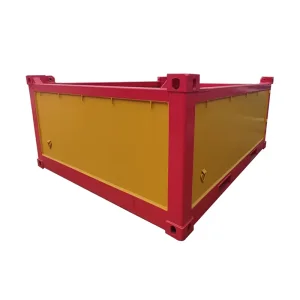
High-Quality New Offshore Basket Container for Offshore Operations Exporter, Exporters
View SpecificationsThe Strategic Physics of 40-Foot Intermodal Architecture
Analyzing structural integrity, volumetric economics, and mechanical performance under heavy dynamic oceanic racking forces.
Volumetric Yield & High-Cube Metrics
The standard 40ft Dry Container (40GP) offers a nominal internal volume of 67.7 m³, while the 40ft High Cube (40HC) elevates headroom by 300 mm (1 foot), expanding cubic capacity to 76.3 m³—a critical 12.7% yield gain. For logistics enterprises shipping low-density consumer durables, modular electronics, or lightweight automotive components, the 40HC profile reduces per-cubic-meter sea freight costs significantly without exceeding gross weight thresholds.
SPA-H Corten Metallurgical Resilience
Structural reliability in extreme maritime salinity demands JIS G3125 SPA-H atmospheric corrosion-resisting steel. Upon atmospheric exposure, SPA-H forms a dense, adherent amorphous patina consisting of alpha-FeOOH, which acts as a barrier impeding moisture, chloride ions, and oxygen diffusion. This chemical passivation layer enhances container operational longevity to 15–20 years in transpacific and transatlantic deep-sea transit lanes.
Dynamic Racking & Multi-Tier Stacking
In a modern ultra-large container vessel (ULCV) carrying up to 24,000 TEU, containers stacked 10 to 12 tiers high in cellular holds withstand severe vertical acceleration loads. Under ISO 1496-1 parameters, CIMIC corner posts are engineered to resist an axial compression test load exceeding 848 kN (86,400 kg per post), ensuring safety against deck-tier buckling under six degrees of vessel motion: roll, pitch, yaw, heave, sway, and surge.
Maximum Gross Mass (MGM Rating)
Stacking Strength per Corner Post
High-Pressure Hydrostatic Door Seal Test
Reefer Insulation Thermal Conductivity (k)
ODM 40 Ft s Pricelist & Technical Configuration Matrix
Transparent wholesale factory benchmarking based on FOB Tianjin/Shanghai export terms. Pricing is influenced by steel market indexes, paint certifications, and refrigeration power systems.
| Model Architecture | Dimensions (Ext. L×W×H) | Tare Weight | Internal Volume | Certifications | FOB Factory Price (USD) |
|---|---|---|---|---|---|
| 40ft Standard Dry (40GP) | 12,192 × 2,438 × 2,591 mm | 3,730 kg | 67.7 m³ | ISO 1496-1, BV, CSC | $2,250 – $2,850 |
| 40ft High Cube Dry (40HC) | 12,192 × 2,438 × 2,896 mm | 3,900 kg | 76.3 m³ | ISO 668, ABS, CCS | $2,450 – $3,150 |
| 40ft HC Full Side Open Door | 12,192 × 2,438 × 2,896 mm | 5,100 kg | 72.5 m³ | ISO, TIR, BV Certified | $4,800 – $6,200 |
| 40ft HC Reefer (Carrier Thinline/PrimELINE) | 12,192 × 2,438 × 2,896 mm | 4,480 kg | 67.6 m³ | ATP, USDA Cold Treatment | $12,800 – $15,900 |
| 40ft HC Reefer (Thermo King Magnum Plus) | 12,192 × 2,438 × 2,896 mm | 4,520 kg | 67.6 m³ | ATP, ISO, CE (-40°C Deep Freeze) | $14,200 – $17,500 |
| 40ft DNV 2.7-1 Offshore Heavy Carrier | 12,192 × 2,438 × 2,896 mm | 6,200 kg | 64.2 m³ | DNVGL-ST-E271, EN 12079 | $16,500 – $21,000 |
| 40ft Modular BESS Energy Storage Shell | 12,192 × 2,438 × 2,896 mm | 7,100 kg | Custom Layout | UL9540A, NFPA 855 Ready, EI120 | $9,500 – $18,000 |
Raw Steel Indexing
SPA-H Corten coils account for ~55% of total dry box manufacturing expenditure. Factory contracts incorporate index-linked pricing tied to Shanghai Metals Market (SMM) hot-rolled steel quotations, providing procurement hedging against commodity swings.
Eco-Coating Systems
Equipped with automated waterborne zinc-rich primer and polyurethane topcoat lines complying with zero-VOC standards. Multi-pass robotic spray loops deliver dry film thickness (DFT) exceeding 120 μm, exceeding ISO 12944 C5-M marine exposure requirements.
Flooring Substrates
Standard builds integrate 28 mm 19-ply Apitong hardwood plywood, chemically treated to satisfy Australian Quarantine and Inspection Service (AQIS) standards. Upgrades include high-density bamboo composites and slip-resistant galvanized checker plates for heavy forklifts.
Hardware & Door Gear
Heavy-duty forged locking gears, anti-rack cams, and stainless steel fasteners prevent unauthorized opening under torsional distortion. Low-temperature EPDM multi-lip gaskets maintain airtight hermetic sealing under internal vacuum or positive pressure.
Upstream Supply Chain Dominance: The Chinese Industrial Cluster
How integrated raw material ecosystems, automated robotic manufacturing lines, and deepwater maritime staging deliver structural cost advantages for global procurement.
Vertical Smelting & Rolling Cluster
Our production hubs in Tianjin and Suzhou leverage direct rail conduits to premier state-owned metallurgical mills (such as Baosteel and HBIS). Raw hot-rolled SPA-H coils move directly from blast furnaces to slitting and corrugation lines, bypassing secondary broker markups and lowering baseline freight overheads by 8–12% relative to non-coastal competitors.
Robotic Arc-Welding Precision
Our automated welding bays deploy multi-axis robotic gas-metal arc welding (GMAW) units operating in argon-rich shielding gas environments. Robotic welding provides uninterrupted structural welds on major longitudinal rails and roof bows, eliminating cold-lap defects and reducing internal residual stresses compared to manual welding methods.
Port Staging & "One-Way Free-Use"
Positioned within 100 km of Tianjin Port (Northern China's prime maritime gateway) and Shanghai/Ningbo ports, we eliminate extended drayage costs. Buyers access one-way cabotage loading programs (Free-Use Container Leases), wherein brand-new containers transport commercial cargo on their maiden voyage, offsetting deep-sea repositioning transit costs.
TCO Modeling: Capital Expenditure vs. Operational Longevity
How fleet directors evaluate acquisition costs, corrosion mitigation, repositioning logistics, and residual salvage value over a 15-year container lifecycle.
The 15-Year Life Cycle Equation
Container TCO extends beyond initial FOB cost. The operational equation is defined as: TCO = CapEx + M&R + Repositioning - Salvage Value. High-grade factory primer and automated shot-blasting (Sa 2.5 profile) reduce structural Maintenance & Repair (M&R) expenditures by up to 34% across the middle operational years (Years 6 through 11).
Direct Factory ODM vs. Broker Sourcing
Procuring directly via CIMIC's Tianjin production lines eliminates intermediate trading margins (often 12–18%), provides verified mill certificates, allows customized branding and serial number assignment, and ensures direct factory-backed warranty support for both dry shells and reefer cooling units.
Residual Secondary Value Retention
Authentic SPA-H Corten 40ft units maintain strong secondary market value after maritime retirement. Converted into modular architectural pods, storage units, or remote construction site storage, authentic Corten boxes retain 35–45% of their initial purchase value at Year 12, outperforming non-Corten alternatives.
Localized Regulatory Support & Global Compliance Assurance
Navigating statutory maritime safety approvals, customs conventions, environmental regulations, and regional road transport limits across global trade corridors.
CSC Safety Approval Certification
Every dry container and reefer unit leaves the production line fitted with a stainless steel International Convention for Safe Containers (CSC) safety plate. Inspected by classification societies like Bureau Veritas (BV), ABS, or CCS, our plates verify transverse racking, floor shear, and wall pressure compliance under IMO regulations.
TIR Customs Convention & UIC Code
Built to meet Customs Convention on Containers (CCC/TIR) requirements, enabling bonded intermodal rail freight from East Asia into European hubs without intermediate border inspections. Structural door hardware integrates tamper-evident security seal slots and protected hinge systems.
DNV 2.7-1 & ISO 10855 Offshore Standards
For North Sea, Gulf of Mexico, and West African offshore platform logistics, CIMIC builds specialized offshore dry baskets, reefers, and tool cabins. These units undergo non-destructive examination (NDE) and low-temperature Charpy impact testing (-20°C) with certified 4-point dynamic sling sets.
High-Performance Industrial Application Scenarios
From sub-zero intercontinental rail routes to remote energy storage stations, 40-foot container platforms serve varied industrial supply requirements.
Transcontinental Cold Chain
Transporting fresh produce, frozen proteins, and pharmaceuticals across Eurasian rail networks. Dual-mode diesel-electric reefer gensets ensure reliable temperature maintenance (±0.25°C) across -40°C Siberian winters and 45°C summer desert crossings.
Utility-Scale BESS Enclosures
Pre-engineered 40ft High Cube shells configured for lithium iron phosphate (LFP) energy storage systems. Features include thermal insulation, fire-rated structural barriers, integrated liquid-cooling conduits, and explosion venting roof systems complying with NFPA 855.
Offshore Exploration Logistics
Heavy-duty mud baskets, open-top tool carries, and certified hazardous chemical transport modules. Built with specialized low-temperature steels, extra-thick perimeter framing, and certified 4-point dynamic wire rope slings for rough marine platform transfers.
Modular Camps & Field Hospitals
Rapidly deployable modular units for mineral extraction facilities, military field clinics, and emergency disaster relief. Engineered with high-strength structural corner blocks to permit 4-tier stacking with internal electrical wiring and life-support ducting.
Technological Horizons: Smart Telematics & Decarbonization
How IoT sensors, low-GWP refrigerants, and green steel production are shaping the future of global intermodal equipment.
Autonomous IoT Telematics
Modern 40ft fleets are transitioning from passive containers to smart, connected assets. Integrated sensor packages monitor real-time door open/close events, internal atmospheric composition (CO2, ethylene, humidity), cargo vibration shocks, and geofencing via hybrid satellite-cellular tracking.
Green Steel & Scope 3 Reductions
With shipping lines committed to net-zero carbon targets, container manufacturing is adopting hydrogen-reduced electric arc furnace (EAF) steel. This shift lowers the embodied carbon footprint per 40ft container by 40–60%, supporting international Scope 3 supply chain reduction goals.
Natural Refrigerants (CO2 / R-744)
Under Kigali Amendment mandates to phase down legacy hydrofluorocarbons (such as R-134a and R-404A), advanced reefer platforms are moving toward natural carbon dioxide systems (R-744, GWP=1). Operating under trans-critical cycles, these units reduce energy draw while maintaining deep-freeze capacities down to -35°C.
Frequently Asked Technical & Commercial Inquiries
Detailed answers addressing engineering tolerances, minimum order sizes, custom paint systems, factory testing, and delivery workflows.
What is the standard Minimum Order Quantity (MOQ) for custom ODM containers?
For standard custom color and branding configurations, our factory MOQ is typically 5 to 10 units (TEU equivalent). For extensive structural modifications—such as full side-opening doors, custom door arrangements, specialized floor alloys, or BESS cutouts—the tooling run typically requires an MOQ of 20 units. Prototype verification units can be arranged following technical drawing sign-off.
How do you verify weld integrity and structural tightness prior to shipment?
Every unit undergoes strict quality control before factory release. This includes a high-pressure automated water spray test (hydrostatic seal test at 150 kPa) to confirm zero weather leaks, radiographic or ultrasonic testing on critical corner post welds, and dimensional verification according to ISO 668 diagonal tolerances (diagonal disparity ≤ 10 mm).
Which marine classification societies issue certificates for your export builds?
Our products are engineered and certified to meet the standards of leading classification societies. Depending on client specifications, units are inspected and approved by Bureau Veritas (BV), the American Bureau of Shipping (ABS), Lloyd's Register (LR), or China Classification Society (CCS), with full CSC type-approval certification supplied for every build.
What is the typical production lead time for a 100-unit 40HC container order?
Standard dry freight manufacturing lead time is approximately 25 to 35 working days from engineering drawing approval and raw material staging. For specialized units such as dual-zone blast reefers or cryogenic tank containers, production schedules typically range from 45 to 60 days, covering insulation foaming, refrigeration integration, and pre-delivery inspection (PDI).
Can you provide one-way cabotage loading to reduce ocean delivery freight?
Yes. We coordinate with major global ocean carriers (e.g., Maersk, COSCO, MSC) to position new containers via "One-Way Free-Use" agreements. Containers carry commercial cargo on their maiden voyage from Chinese ports directly to your destination hub (such as Rotterdam, Los Angeles, Melbourne, or Durban), minimizing deep-sea repositioning costs.
What protective coating systems are used for aggressive marine environments?
Our standard multi-coat application includes a zinc-rich epoxy primer (30–40 μm), an epoxy intermediate barrier (40–50 μm), and a waterborne polyurethane topcoat (40–50 μm), providing a total dry film thickness (DFT) of 120–140 μm. For high-corrosion environments, high-build epoxy systems matching ISO 12944 C5-M specifications can be applied.
Specialized Cargo, Rail & Energy Containers
Featuring bulk material containers, roll-up shutter access boxes, DNV-certified offshore reefers, and hazardous goods storage solutions.
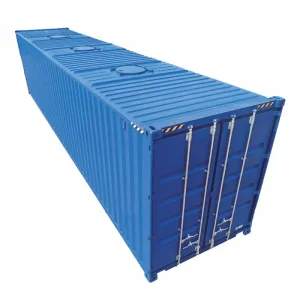
Buy 20 Feet Shipping Bulk Container Manufacturer, Exporters
View Specifications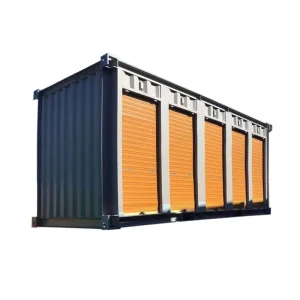
OEM New 20ft Storage Roll-Up Door Dry Cargo Container Pricelist, Product
View Specifications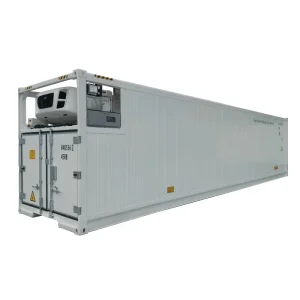
Famous New 40-foot high cube & 45-foot "Belt and Road" railway refrigerated container. Product, Products
View Specifications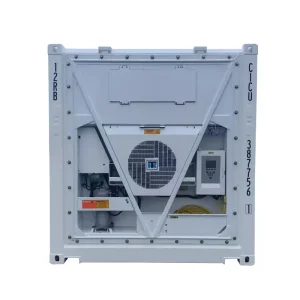
OEM 20ft Offshore Refrigerated Container DNV Certification Is More Durable Exporter, Exporters
View Specifications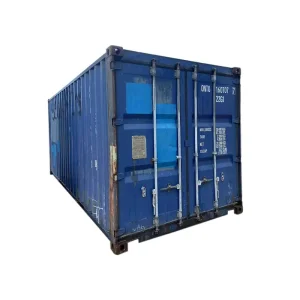
ODM 40ft Used Dry Cargo Shipping Container Manufacturers, Quotes
View Specifications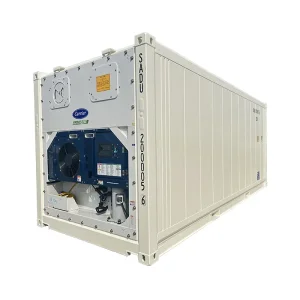
High-Quality New 40ft High Cube Carrier Refrigerator Freezer Cold Room Product, Exporters
View Specifications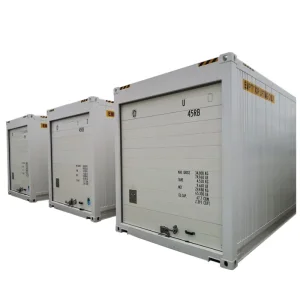
China 40ft High-Cube Roll Up Reefer Container Customized Shipping Containers Factory, Manufacturers
View Specifications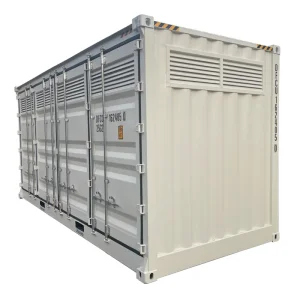
Famous 20FT High-cube Dangerous Goods Container Side Open Door with Ventilation Opening Manufacturer, Exporter
View SpecificationsInitiate Your Factory-Direct ODM Engineering Consultation
Connect directly with our Tianjin production engineering division. Request detailed technical CAD drawings, structural finite element analysis (FEA) reports, coating inspection protocols, and volume production quotes.
Request Technical Drawing & Quotation