Primary Fleet Inventory
Featured Multimodal Shipping & Storage Solutions
Direct-from-factory ISO intermodal containers, mobile modular platforms, and heavy-duty industrial asset containment units.
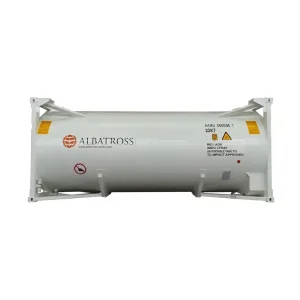
China 25000 Liters ISO 20ft Gas Tank Container for Hazardous Cargo
Configure Specification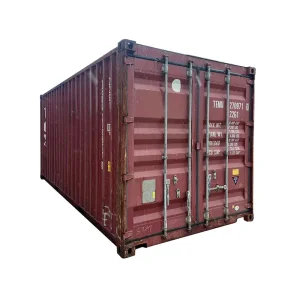
Buy 20ft Standard Industrial Used Shipping or Storage Container
Configure Specification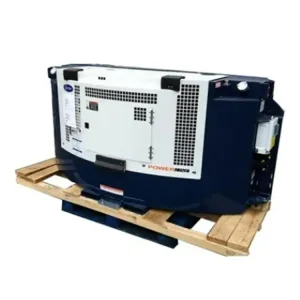
Heavy-Duty Reefer Container Diesel Clip-On Generator Set
Configure Specification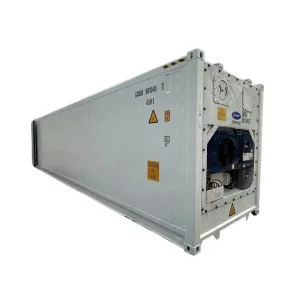
Buy Ninety Percent New Used 40ft High Cube Carrier Refrigerated Container
Configure Specification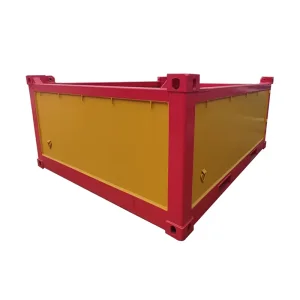
High-Quality New Offshore Basket Container for Offshore Operations
Configure Specification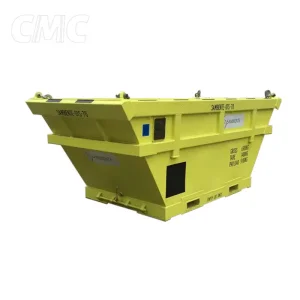
Famous DNV Certification Silt Basket Container Used in Offshore Logistics
Configure Specification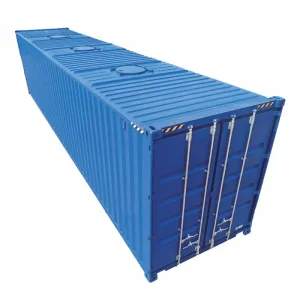
Buy 20 Feet ISO Intermodal Dry Bulk Cargo Shipping Container
Configure Specification
Strategic Procurement Framework
Global Enterprise Purchasing Mandates: TCO, Lifecycle & Yield Optimization
Analyzing structural fatigue, anti-corrosive integrity, and intermodal compatibility matrices across high-volume container fleet investments.
SPA-H Corten Steel Integrity
Procurement officers require certified atmospheric corrosion-resistant Corten-A/SPA-H alloy compositions. Our dry cargo containers form an autogenous copper-phosphorus oxide patina that limits degradation under C5-M marine exposure conditions.
Floor Payload & Timber Treatment
Featuring 28mm marine-grade hardwood plywood or optional bamboo-composite panels treated in strict compliance with Australian Quarantine and Inspection Service (AQIS) guidelines, withstanding intense 7,260 kg axle loads under ISO 1496-1 testing.
Total Cost of Ownership (TCO)
By implementing automated continuous zinc-rich seam priming and robotic gas metal arc welding (GMAW), we lower annual maintenance expenditures by up to 34% compared to standard secondary-market refurbished equipment.
Advanced Manufacturing Dynamics
China Smart Factory 4.0: Resilient Scale & Efficiency
Operating strategically within 100km of Tianjin Port and the Yangtze River economic belt, merging upstream steel mill synergy with precision fabrication.
Robotic Assembly Lines
Multi-axis automated welding rigs minimize thermo-mechanical stress distortion along corrugation panels, guaranteeing millimeter-exact diagonal alignment across corner castings.
Eco-Friendly Waterborne Coatings
Complete transition to zero-VOC waterborne zinc epoxy primers and polyurethane topcoats, surpassing strict European VOC emission protocols without losing salt-spray endurance.
Integrated Metallurgy Pipeline
Direct billet-to-sheet supply chain contracts with premier Chinese steel manufacturers hedge volatility, ensuring rapid execution of volume orders surpassing 1,000 TEU batches.
Deepwater Port Proximate
Strategically situated inside the Tianjin Pilot Free Trade Zone and Suzhou industrial cluster, cutting pre-carriage transit times and offering instant ocean liner carrier integration.
40+
Years Fabrication Expertise (Since 1983)
100km
Direct Proximity to Export Seaport
100%
BV & ISO Documented Batch Validation
5Cont.
Tier-1 Liner Network Delivery
Intermodal Systems Integration
Macro-Sector Industrial Containment Architectures
Tailored structural profiles engineered to withstand dynamic multimodal stresses across transcontinental shipping corridors.
| Containment Profile | Dimensional Standard (ISO) | Structural Load Rating (MGW) | Optimal Industry Application | Compliance Standards |
|---|---|---|---|---|
| 20ft General Purpose Dry (20GP) | 20' x 8' x 8'6" (External) | 30,480 kg (67,200 lbs) | High-density commodities: Metals, minerals, grain, heavy machinery | ISO 668 / CSC / BV |
| 40ft High Cube Dry (40HC) | 40' x 8' x 9'6" (External) | 32,500 kg (71,650 lbs) | Volumetric consumer freight, FMCG palletization, modular e-commerce | ISO 1496-1 / TIR / UIC |
| Side-Access Full Open Wall | 20ft / 40ft Configurations | 30,480 kg (Dual-end/Side) | Over-dimensional pallet logistics, military hardware, rapid cross-docking | CEN / ISO / CSC |
| Offshore Rig-Ready Cargo Basket | Engineered DNV 2.7-1 Sizing | Varies by SWL (10T - 25T) | Subsea drill equipment, offshore pipe transport, dynamic dynamic hoist ops | DNVGL-ST-E271 / EN 12079 |
| T75 / ISO Intermodal Tank | 20ft Frame-mounted Pressure Vessel | 36,000 kg Rated Payload | Cryogenic liquids, LNG, hazardous chemical freight, ethanol bulk transport | ASME VIII / IMDG / ADR |
Future Outlook: 2025-2035
Technology Roadmap: Smart Containers & Circular Carbon Cycles
Pioneering IoT telemetry, ultra-lightweight nano-composites, and low-embodied-carbon steel fabrication.
Active Telemetry & Digital Twins
Autonomous energy-harvesting door sensors and satellite NB-IoT modules integrated into corner post pockets provide real-time shock, breach, humidity, and location updates without requiring dry dock structural retrofits.
Green Hydrogen Steel Integration
Aligning with Scope 3 corporate ESG emission goals, our upcoming generation leverages DRI (Direct Reduced Iron) processed via green hydrogen, reducing the carbon footprint of dry container shells by more than 40% per TEU.
Nanotech Corrosion Barriers
Graphene-infused ceramic barrier films and self-healing micro-capsule polymer surface treatments enhance resistance to corrosive atmospheres, increasing typical container service lifespans from 15 years to over 25 years.
Verification & Statutory Assurances
Localized Regulatory Support & Universal Statutory Compliance
Full verification documentation ensures every unit clears port customs and safety checks without operational bottlenecks.
Classification Society Certification
All container production batches are validated on-site by Bureau Veritas (BV), ABS, Lloyd's Register, or DNV, providing certified CSC safety plates for rail, road, and international sea carriage.
Customs Bonded Pilot Port Access
Located inside the Tianjin Pilot Free Trade Zone, our customs paperwork, phytosanitary certificates, and export documentation clear fast, keeping global port delivery schedules on track.
Global On-Site Deployment Support
Our engineering services cover complete OEM/ODM modifications, field maintenance kits, CAD custom structural layouts, and regional delivery routing throughout Africa, Europe, and the Americas.
Technical Clarifications
Frequently Asked Technical & Procurement Questions
Detailed insights regarding alloy grade specifications, OEM workflows, inspection standards, and multimodal shipping logistics.
What specific steel grade is utilized in CIMIC dry container construction?
Our dry shipping containers are constructed exclusively from atmospheric corrosion-resistant Corten steel (JIS G3125 SPA-H or equivalent GB/T 4171 09CuPCrNi-A). This alloy contains targeted copper, nickel, and chromium additions that generate an autogenous, oxygen-barrier oxide patina. This layer dramatically lowers oxidation rates in harsh oceanic and coastal C5-M marine conditions compared to standard structural carbon steels (such as Q235B or SS400).
How does the factory manage custom OEM/ODM architectural modifications?
Custom engineering programs begin with structural CAD reviews and dynamic FEA (Finite Element Analysis) simulating corner-post racking, roof loads, and floor payload conditions. Following technical approval of the general arrangement (GA) drawing, production moves through robotic panel stamp forming, sub-assembly welding, and Bureau Veritas (BV) testing to issue updated CSC approval data plates.
What certifications are provided for international maritime and rail transit?
Every export container features a valid CSC (International Convention for Safe Containers) safety approval plate stamped with classification society endorsements (e.g., Bureau Veritas, ABS, or DNV). Units comply fully with ISO 668 (Dimensions and Ratings), ISO 1496-1 (Specification and Testing of General Cargo Containers), TIR customs conventions, and UIC leaflet 592 for cross-border rail transport.
What are the primary structural differences between standard Dry (GP) and High Cube (HC) units?
Standard Dry (General Purpose) containers have an external height of 8 feet 6 inches (2,591 mm), yielding an internal cubic capacity of approximately 33.2 m³ in 20ft models. High Cube units measure 9 feet 6 inches (2,896 mm) in height, providing an internal capacity of 76.3 m³ in 40ft models. This added vertical foot optimizes pallet stacking efficiency and provides additional headroom for equipment housings and modular architectural projects.
Where are depot inventories positioned, and what pre-dispatch inspection protocols apply?
Primary inventories and assembly facilities operate in Tianjin and Suzhou, within 100 kilometers of deepwater berths. Before hand-off to vessel carriers, every container undergoes visual, light-leak, door-gasket water tightness, and floor loading tests. Inspection dossiers, high-resolution photo documentation, and CSC registry records are delivered to purchasing teams prior to port dispatch.
How are environmental standards met regarding paints, primers, and flooring?
Production utilizes waterborne, ultra-low-VOC primer systems along with high-solid polyurethane topcoats to eliminate hazardous aromatic hydrocarbons. Interior flooring is built from sustainable plantation hardwood or bamboo veneer composites, fully treated in compliance with Australian Quarantine (AQIS) standards to prevent biological contaminants during cross-border transit.
Specialized Heavy Fleet Catalog
Industrial Modular, Liquid Gas & Transport Platforms
Special-purpose frame containers, temperature-controlled modules, and specialized industrial freight platforms.

OEM New Deep Freezer Refrigerator Industrial Container
Configure Specification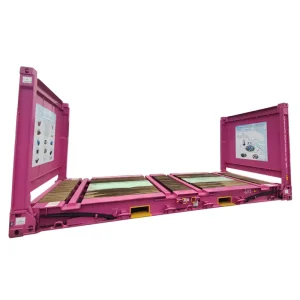
ODM New 20ft Heavy Machinery Platform Flat-Rack Frame Container
Configure Specification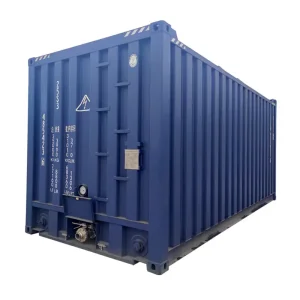
Buy New 20ft Square Liquid Container for Bulk Chemical Transport
Configure Specification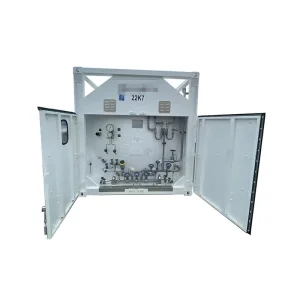
Famous T75 20ft Cryogenic Liquid Tank Container for Industrial Gas
Configure Specification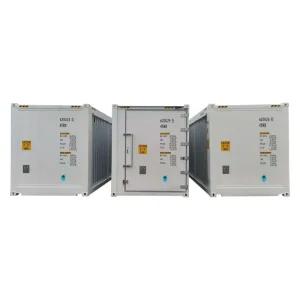
China OEM 40ft High-Cube Three-in-One Combination Reefer Storage Container
Configure Specification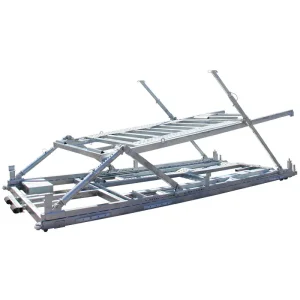
China Multi-Vehicle Transport Shipping Rack Frame Assembly
Configure Specification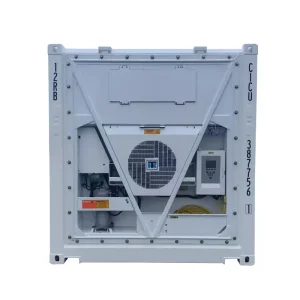
OEM 20ft Offshore Refrigerated Container with Certified DNV Rigging
Configure Specification