
Featured Industrial Containers & Refrigeration Systems
Engineered for extreme operating environments, certified by international classification societies including BV, DNV, ABS, and ISO. Explore our precision-manufactured units below.
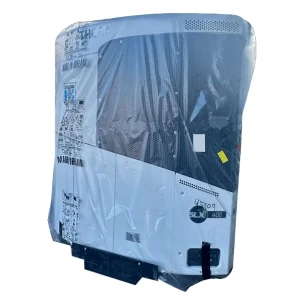
Famous TK SLXI Mobile power generation trailer cooling unit Product, Manufacturers
Request Engineering Quote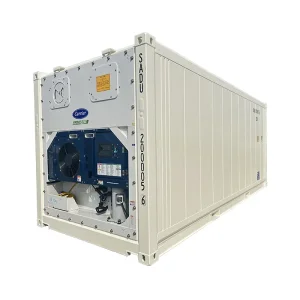
High-Quality New 40ft High Cube Carrier Refrigerator Freezer Cold Room Product, Exporters
Request Engineering Quote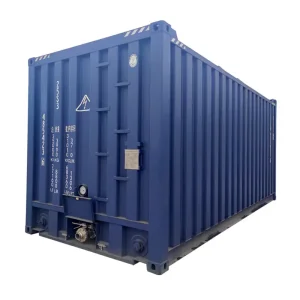
Buy New 20ft Square Liquid Container Factory, Product
Request Engineering Quote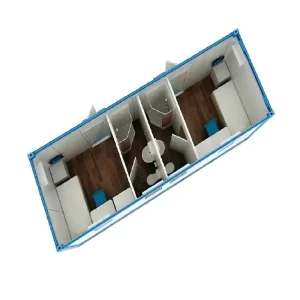
Famous 20ft 40ft Standard Size Accommodation Modular House Container Exporter, Products
Request Engineering Quote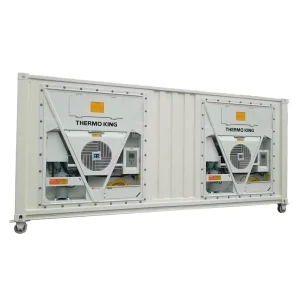
High-Quality The new blast reefer containers are certified by classification societies Manufacturers, Factories
Request Engineering Quote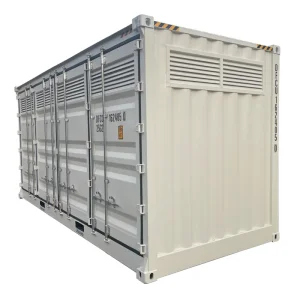
Famous 20FT High-cube Dangerous Goods Container Side Open Door with Ventilation Opening Manufacturer, Exporter
Request Engineering Quote
China Used 40ft High-Cube Certified Reefer Container Pricelist, Exporter
Request Engineering Quote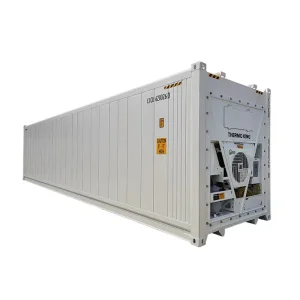
OEM New 40ft High-Cube Certified Reefer Shipping Cargo Container Pricelist, Product
Request Engineering QuoteDecoding the "Rate of Containers": Metrics That Define Asset Performance
In modern logistics infrastructure, evaluating the rate of containers requires an interconnected view of thermodynamic retention rates, manufacturing yield tolerances, freight volatility indexing, and total lifecycle depreciation. Procurement heads and logistics directors must evaluate these multi-dimensional metrics to ensure fiscal resilience.
Freight Rate Dynamics & Hedging
Intermodal spot rates fluctuate due to geopolitical choke points, bunker fuel indices, and seasonal container repositioning imbalances. Direct factory procurement of new (one-way freighted) or certified used containers provides multinational enterprises with an asset hedge against surging demurrage, detention penalties, and carrier container leasing charges.
Manufacturing Yield & Tolerance Rate
Precision engineering at our automated facilities achieves an exceptional structural tolerance rate (<0.8mm variance across 40ft lengths). High manufacturing yield rates lower unit costs, while automated robotic MIG/TIG welding ensures consistent weld penetration, mitigating structural fatigue and rust penetration over 15 to 25 years of service.
Thermodynamic U-Factor & Loss Rate
For refrigerated and blast freezer containers, the heat leakage rate (overall heat transfer coefficient U-factor ≤ 0.38 W/m²·K) dictates operating energy expenditure. High-density cyclopentane-blown polyurethane foam insulation eliminates thermal bridges, keeping perishable products fresh and cutting reefer electrical consumption by up to 28%.
China Factory Supply Chain Advantages & Manufacturing Ecosystem
China produces over 90% of the world's standard and specialized intermodal containers. Our dual production clusters in Tianjin and Suzhou leverage raw material integration, coastal logistics corridors, and advanced metallurgical pipelines to guarantee unrivaled cost structures and lead times.
Upstream Metallurgical Integration: SPA-H Corten Steel
Container durability starts with steel quality. Our production facilities maintain direct strategic procurement channels with major domestic steel mills for certified SPA-H atmospheric corrosion-resistant Corten steel. Corten-A and SPA-H form a regenerative copper-chromium oxide protective layer upon atmospheric exposure, preventing corrosive pitting in harsh saltwater marine environments. By sourcing coiled sheet stock directly from local mills, we bypass intermediate distribution markups, securing our clients an immediate 12-18% raw material cost advantage.
Autonomous Robotic Manufacturing & Quality Control
Operating with automated continuous roll-forming lines, 10,000-watt fiber laser cutters, and 6-axis robotic welding gantries, our Tianjin production line achieves seamless corner casting integration and side-panel wave rigidity. Every weld seam undergoes non-destructive ultrasonic and magnetic particle testing. Furthermore, automated shot-blasting reaches Swedish Standard SA 2.5 cleanliness, followed immediately by multi-stage zinc-rich epoxy priming and polyurethane marine topcoats with a minimum dry film thickness (DFT) of 120 microns.
Strategic Port Proximity (≤100 km to Tianjin & Shanghai Ports)
Inland drayage and staging costs can escalate procurement budgets. Our core factories are located approximately 100 km from the Port of Tianjin (Northern maritime hub) and within close proximity to Ningbo-Zhoushan and Shanghai Ports. This gives buyers immediate access to international liner schedules, shortens factory-to-quayside transfer times to under 3 hours, and allows one-way "cabotage" freight arrangements that minimize empty repositioning expenditures.
Global Reefer Machinery Partnerships (Thermo King, Daikin, Carrier)
Reefer container performance relies heavily on its refrigeration machinery. Our facility operates designated OEM assembly bays for Tier-1 refrigeration leaders including Carrier Transicold (PrimeLINE / NaturaLINE), Thermo King (Magnum Plus), and Daikin (Zestia). Direct factory installation ensures warranty coverage, correct phase-wiring, pre-trip inspection (PTI) testing, and automated vacuum refrigerant charging before dispatch.
Global Procurement Demands: Total Cost of Ownership (TCO) Framework
Enterprise supply chain directors prioritize longevity, salvage value, tare weight ratios, and regulatory compliance. Our engineering framework directly optimizes lifetime expenditure.
Asset Depletion & Residual Value
ISO shipping containers built with high-grade SPA-H Corten steel exhibit an annual depreciation curve under 4.5% in commercial fleets. Even after 12-15 years of intermodal sea voyages, our containers retain a 35-45% residual value for domestic storage, modular building conversion, or regional rail transport.
Tare Weight vs. Payload Optimization
Through FEA (Finite Element Analysis) stress modeling, our structural engineers optimize corrugation profiles and cross-member geometries to strip away dead weight without compromising 9-high stacking load strength (192,000 kg racking test rating). Lower tare weight translates directly into higher commercial cargo capacity per transit.
Interchangeability & Standardization
Full compliance with ISO 668, ISO 1496-1, and ISO 1161 guarantees that every corner casting, forklift pocket, and gooseneck tunnel mates seamlessly with international port cranes, twist-locks, intermodal rail wagons, and highway chassis worldwide.
Localization Support & International Compliance Assurance
Navigating transnational shipping regulations requires stringent documentation and verified manufacturing adherence. We eliminate customs and operational bottlenecks by delivering fully certified container assets.
CSC Safety Approval Plates
Every shipping container dispatched from our facilities is fitted with a stainless steel International Convention for Safe Containers (CSC) Plate. This confirms compliance with structural stacking tests, transverse racking, floor strength (exceeding 7,260 kg test axle load), and timber treatment compliance (Australian Quarantine and Inspection Service - AQIS standards).
DNV 2.7-1 / EN 12079 Offshore Class
For offshore oil, gas, and renewable platforms, dynamic wave-impact stresses preclude the use of standard ISO boxes. Our specialized offshore dry cargo and half-height containers are engineered and certified under DNV 2.7-1 and EN 12079 standards, complete with certified lifting sling sets, padeye structural integrity checks, and charpy V-notch impact steel testing down to -20°C or -40°C.
Customs TIR & UIC Intermodal Seals
Units constructed for cross-border transshipment under TIR carnet conventions feature customs-approved door hinge seals, anti-tamper locking rods, and specialized seal pin retainers. Our designs protect cross-Eurasian rail freight (China-Europe Railway Express) from unauthorized interior tampering while streamlining border clearing formalities.
Technical Specification Benchmark & Capacity Matrix
Direct comparative parameters for primary intermodal equipment manufactured at our industrial facilities. Standardized dimensions, volumetric ratings, and thermal coefficients.
| Equipment Type | External Dims (L × W × H) | Internal Dims (L × W × H) | Cubic Cap. (m³) | Tare Weight (kg) | Max Payload (kg) | Primary Classification |
|---|---|---|---|---|---|---|
| 20ft Standard Dry (20GP) | 6,058 × 2,438 × 2,591 mm | 5,898 × 2,352 × 2,393 mm | 33.2 m³ | 2,200 kg | 28,280 kg | ISO 1496-1 / BV / CSC |
| 40ft High Cube Dry (40HC) | 12,192 × 2,438 × 2,896 mm | 12,032 × 2,352 × 2,698 mm | 76.3 m³ | 3,800 kg | 26,680 kg | ISO 1496-1 / ABS / CSC |
| 40ft High Cube Reefer (40RH) | 12,192 × 2,438 × 2,896 mm | 11,583 × 2,290 × 2,557 mm | 67.6 m³ | 4,580 kg | 29,420 kg | ISO 1496-2 / Carrier / TK / DNV |
| 20ft ISO Liquid Tank (T11) | 6,058 × 2,438 × 2,591 mm | 316L SS Vessel (Shell ≥4.2mm) | 26,000 L | 3,650 kg | 32,350 kg | IMDG / ASME VIII / ADR / RID |
| DNV Offshore Dry Cargo (10ft) | 2,991 × 2,438 × 2,591 mm | 2,815 × 2,260 × 2,250 mm | 14.3 m³ | 2,050 kg | 7,950 kg | DNV 2.7-1 / EN 12079 / Lloyd's |
Localized Application Scenarios & Sector Integration
Engineered containers extend beyond marine shipping hulls. Our specialized designs power mission-critical infrastructure across remote, high-demand industrial sectors.
Cold Chain Agro-Export & Pharmaceutical Storage
Pharmaceutical vaccines, high-value biologic serums, fresh tropical fruits, and premium meats demand micro-precision climate control. Fitted with advanced scroll compressors and USDA-certified cold treatment temperature probes, our 40HC reefer units maintain accurate set points from -35°C to +30°C with automated controlled atmosphere (CA) nitrogen regulation.
Hazardous Chemical & High-Density Liquid Transit
Transporting volatile bulk liquids requires strict containment security. Our 20ft square liquid containers and ISO tank units incorporate electropolished SUS316L pressure vessels, top-spill containment compartments, ASME-approved rupture discs, and steam/glycol heating jackets, guaranteeing zero-emission transport across intermodal corridors.
Rapid Deployment Modular Infrastructure
Our 20ft and 40ft modular accommodation house containers provide plug-and-play living modules, on-site control rooms, and disaster-relief command centers. Pre-installed with M&E electrical wiring, Rockwool fireproof insulation, double-glazed fenestration, and sanitary rough-ins, they reduce on-site assembly schedules from months to hours.
Global Industry Development Trends & Smart Shipping Innovations
The container manufacturing industry is undergoing a digital and ecological transition. Emerging regulatory pressures and IoT integration are reshaping international asset management.
IoT Telematics & Predictive Maintenance
Modern enterprise fleets are moving from passive steel boxes to intelligent data nodes. We integrate low-power satellite and 5G cellular telematics directly into reefer controller housings. Fleet operators gain live visibility over internal ambient temperatures, relative humidity, compressor vibration signatures, door open/close events, and precise GPS-tracked geofences, lowering loss ratios to near zero.
Eco-Friendly Low-GWP Refrigerants (R513A / R744 CO2)
With Montreal Protocol and EU F-Gas phase-downs penalizing high-Global Warming Potential hydrofluorocarbons (such as R134a and R404A), our refrigeration production lines are optimized for R513A drops and transcritical natural R744 (CO2) systems, providing zero ozone depletion potential (ODP) and sub-1 GWP ratings that ensure complete compliance through 2035+.
Integrated BESS (Battery Energy Storage Systems)
The global push toward renewable energy has driven demand for structural containerized BESS enclosures. Our factory manufactures custom 20ft and 40ft BESS shells equipped with certified thermal run-away blast mitigation vents, integrated FM200/Novec fire suppression plumbing, internal thermal insulation liners, and structural floor loadings exceeding 40,000 kg.
Frequently Asked Technical & Procurement Questions
Critical insights for procurement teams, shipping lines, and logistics engineering departments.
How does the manufacturing quality rate directly influence long-term total cost of ownership (TCO)?
What is the distinction between DNV 2.7-1 certified offshore containers and standard ISO containers?
Which refrigeration machinery (Carrier, Thermo King, or Daikin) is ideal for specialized cold storage requirements?
- Carrier Transicold (e.g., PrimeLINE): Widely recognized as the global maritime benchmark, offering low lifecycle power consumption, straightforward maintenance procedures, and universal parts availability across all major seaports.
- Thermo King (e.g., Magnum Plus): Outstanding for deep-freeze capabilities, capable of sustaining interior box temperatures down to -40°C, making it ideal for high-value sashimi-grade tuna, seafood, and specialty pharmaceuticals.
- Daikin (e.g., Zestia): Utilizes patented DC inverter scroll compressor technology, providing exact temperature stability (±0.25°C) and reduced electrical consumption during partial-load conditions.
How do Chinese container manufacturing plants protect against intermodal corrosion during ocean shipping?
Can custom modifications (side doors, insulation thickness, roll-up shutters) be certified with a valid CSC plate?
What documentation is required to clear factory-new containers through foreign customs without paying commercial duty penalties?
Specialized Units, Power Generation & Secondary Logistics Assets
Browse our extended product portfolio including generator clip-ons, platform flatracks, DNV certified offshore dry units, and high-cube insulated containers.
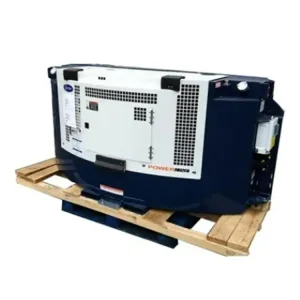
China Refrigerated container diesel generator Exporter, Quotes
Request Engineering Quote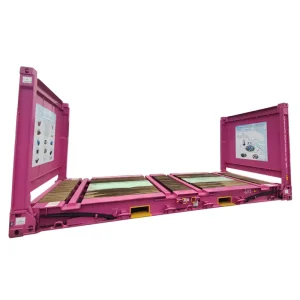
ODM New 20ft Platform Frame Container Pricelist, Exporters
Request Engineering Quote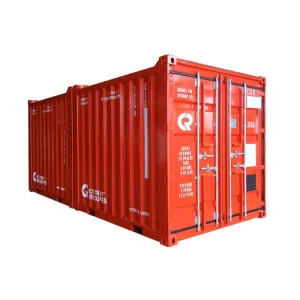
Buy New DNV Certification Offshore Dry Cargo Container Factory, Product
Request Engineering Quote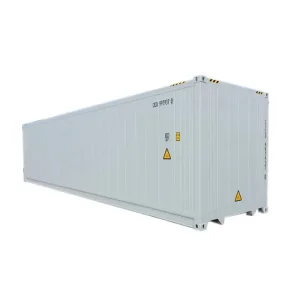
Buy New 40ft High Cube Thickened Foam Insulation Container Factory, Exporters
Request Engineering Quote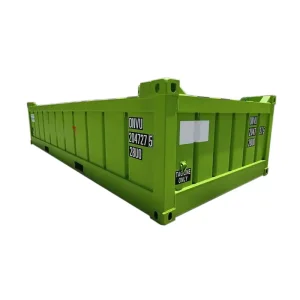
ODM New DNV Certification Offshore Half-Height Open Top Container Products, Exporters
Request Engineering Quote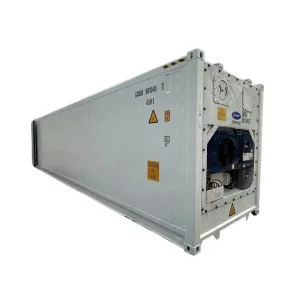
Buy Ninety Percent New Used 40ft HC Carrier Refrigerated Container Product, Quotes
Request Engineering Quote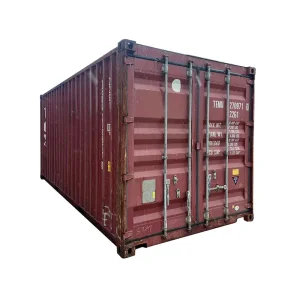
Buy 20ft Used Shipping or Storage Container Manufacturer, Products
Request Engineering Quote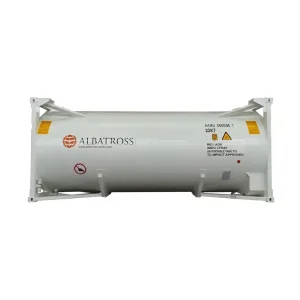
China 25000 Liters ISO 20ft Gas Tank Container for Sale Product, Factories
Request Engineering QuoteFive-Stage Factory Quality Verification & Order Execution
Transparency from initial CAD blueprinting to quayside ocean loading. Here is how our international supply chain ensures zero-defect container production.
01. Engineering CAD & Finite Element Approval
Our mechanical engineering team reviews target freight dynamics, tare thresholds, and payload expectations. Complete manufacturing CAD drawings, detailing weld types, corrugation pitch, and coating specifications, are submitted for customer sign-off prior to tooling allocation.
02. Mill-Certified Raw Material Sourcing
Each batch of SPA-H Corten steel, corner casting forgings, and marine-grade stainless steel fasteners arrives with verified mill test certificates (MTC). Chemical composition (C, Si, Mn, P, S, Cr, Ni, Cu) is verified via spectrometer testing to confirm environmental weather-resistance ratings.
03. Automated Assembly & Multi-Stage Inspection
Welding is monitored across every sub-assembly (front wall, base frame, roof, rear door frame). Ultrasonic testing verifies weld penetration along critical lifting corner joints. Before paint application, shot-blast profile depths are measured using digital surface profile gauges.
04. Weatherproofing & CSC Load Testing
Every completed dry and reefer unit passes through a high-pressure monsoon water-spray test booth (minimum 2 bar nozzle pressure around all door gaskets and roof seams). A strict light-leak inspection follows. Random batch samples undergo ISO destructive racking, floor load, and 9-high stacking trials.
05. Factory PTI (Pre-Trip Inspection) & Dispatch
For reefer containers, a computerized Pre-Trip Inspection (PTI) tests electrical insulation, compressor pressures, fan motors, defrost heaters, and microprocessor controllers. Complete PTI logs, CSC safety certificates, and pre-shipment photographs are provided to the buyer prior to release.
06. Quayside Intermodal Loading
Positioned within 100 km of the Port of Tianjin and major Yangtze River Delta terminals, equipment transfers from plant floor to container yard (CY) quickly. Buyers receive real-time dispatch tracking, equipment interchange receipts (EIR), and export customs release documents for seamless port handover.