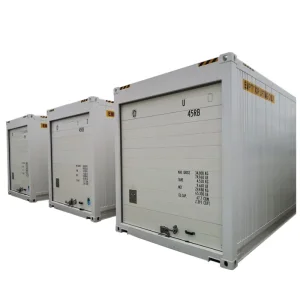
Featured Standard & Engineered Intermodal Units
Factory-direct intermodal equipment engineered to Bureau Veritas, DNV, and ISO standard performance metrics.
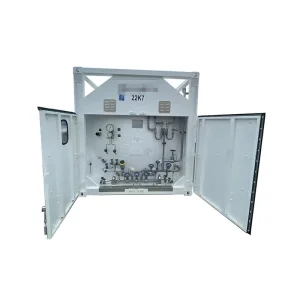
Famous T75 20ft Cryogenic Liquid Tank Container Products, Exporters
View Specifications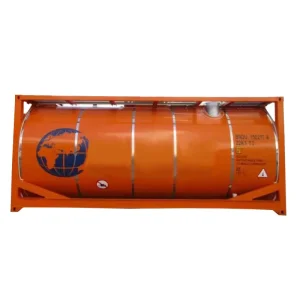
China 20 Foot ISO Liquid Tank Container for Water Manufacturer, Product
View Specifications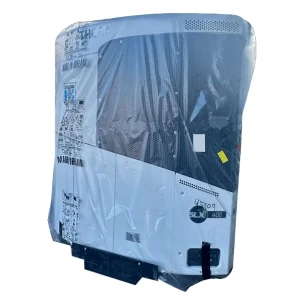
Famous TK SLXI Mobile power generation trailer cooling unit Product, Manufacturers
View Specifications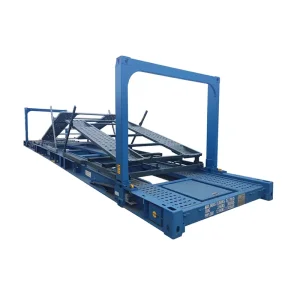
China New 20ft Car Carrier Container Special Container Exporter, Quotes
View Specifications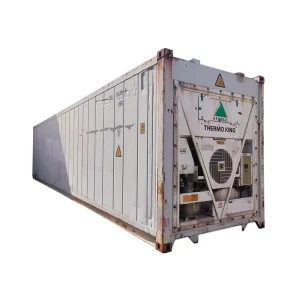
ODM New 40ft Refrigerated Freezer Container for Sale Factory, Exporter
View Specifications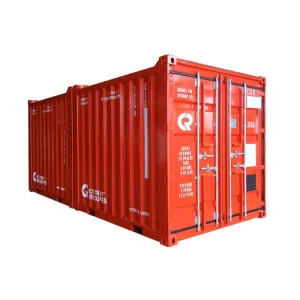
Buy New DNV Certification Offshore Dry Cargo Container Factory, Product
View Specifications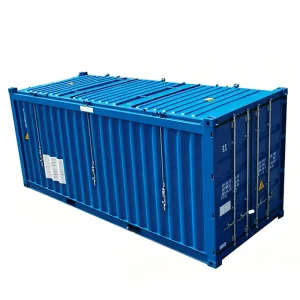
China 20ft New Hard Open Top Shipping Container Manufacturer, Factories
View Specifications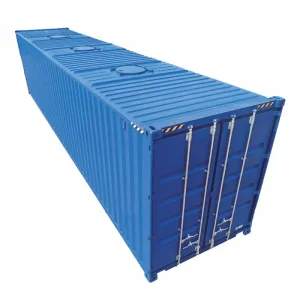
Buy 20 Feet Shipping Bulk Container Manufacturer, Exporters
View SpecificationsThe Strategic Baseline of Modern Multimodal Supply Chains
Standardized around ISO 668 and ISO 1496-1, the 20-foot intermodal container (1 TEU) remains the undisputed gold standard for heavy cargo density, structural resilience, and multi-platform transit.
In contemporary global shipping economics, the 20-foot shipping container—designated within the intermodal industry as the Twenty-Foot Equivalent Unit (1 TEU)—represents the universal engineering baseline across ocean vessels, rail flatbeds, chassis transport, and heavy-payload industrial sites. While 40-foot containers dominate high-cube, low-density retail consumer goods, 20-foot shipping containers excel in moving dense, concentrated freight: raw metals, heavy equipment machinery, structural building elements, granular chemicals, and pressurized cryogenic liquids.
Understanding the comprehensive dimensions of a 20 foot shipping container goes far beyond simple exterior footprints. For naval architects, transmodal freight managers, offshore oil and gas contractors, and OEM plant fabricators, millimeter variations in tare weights, internal volumetric capacities, door aperture clearances, and dynamic floor ratings dictate route profitability, customs clearances, and overall structural safety under heavy sea swells and intermodal lifting stresses.
Exact Dimensions of a 20 Foot Shipping Container: ISO Variations
Precise internal, external, and door opening clearances across Dry, High-Cube, Reefer, and Open-Top configurations.
Standard ISO 668 dimensional frameworks mandate tight tolerances across manufacturing lines. Below is the audited engineering benchmark across five major specialized 20ft variants produced within our production facilities.
| ISO Spec Parameters | 20ft Dry Cargo (20GP) | 20ft High-Cube (20HC) | 20ft ISO Reefer (20RF) | 20ft Hard Open-Top (20OT) | 20ft Offshore DNV 2.7-1 |
|---|---|---|---|---|---|
| External Length | 6,058 mm (19' 10.5") | 6,058 mm (19' 10.5") | 6,058 mm (19' 10.5") | 6,058 mm (19' 10.5") | 6,058 mm (19' 10.5") |
| External Width | 2,438 mm (8' 0.0") | 2,438 mm (8' 0.0") | 2,438 mm (8' 0.0") | 2,438 mm (8' 0.0") | 2,438 mm (8' 0.0") |
| External Height | 2,591 mm (8' 6.0") | 2,896 mm (9' 6.0") | 2,591 mm (8' 6.0") | 2,591 mm (8' 6.0") | 2,591 mm (8' 6.0") |
| Internal Length | 5,898 mm (19' 4.2") | 5,898 mm (19' 4.2") | 5,444 mm (17' 10.3") | 5,898 mm (19' 4.2") | 5,850 mm (19' 2.3") |
| Internal Width | 2,352 mm (7' 8.6") | 2,352 mm (7' 8.6") | 2,290 mm (7' 6.1") | 2,352 mm (7' 8.6") | 2,310 mm (7' 6.9") |
| Internal Height | 2,393 mm (7' 10.2") | 2,698 mm (8' 10.2") | 2,275 mm (7' 5.5") | 2,348 mm (7' 8.4") | 2,300 mm (7' 6.5") |
| Door Opening Width | 2,340 mm (7' 8.1") | 2,340 mm (7' 8.1") | 2,290 mm (7' 6.1") | 2,340 mm (7' 8.1") | 2,300 mm (7' 6.5") |
| Door Opening Height | 2,280 mm (7' 5.7") | 2,585 mm (8' 5.7") | 2,220 mm (7' 3.4") | 2,240 mm (7' 4.2") | 2,150 mm (7' 0.6") |
| Tare Weight (kg) | 2,200 kg (4,850 lbs) | 2,420 kg (5,335 lbs) | 3,080 kg (6,790 lbs) | 2,450 kg (5,401 lbs) | 3,850 kg (8,487 lbs) |
| Max Payload (kg) | 28,280 kg (62,346 lbs) | 28,060 kg (61,861 lbs) | 27,400 kg (60,406 lbs) | 28,030 kg (61,795 lbs) | 16,150 kg (Dynamic SWL) |
| Internal Volume | 33.2 m³ (1,172 cu.ft) | 37.4 m³ (1,320 cu.ft) | 28.3 m³ (1,000 cu.ft) | 32.5 m³ (1,148 cu.ft) | 31.1 m³ (1,098 cu.ft) |
Critical Engineering Observation: Reefer containers experience an internal volume displacement reduction of approximately 14.7% compared to general dry units. This shrinkage is caused directly by rigid CFC-free polyurethane foam wall insulation (50mm to 100mm core density) and the recessed structural evaporator footprint of carrier engines such as Thermo King, Daikin, or Carrier.
Bespoke Fabrication & Engineering Modification Vectors
From structural side-opening doors to mobile generator trailer units and cryogenic containment systems.
SPA-H Structural Metallurgy
Fabricated using JIS G3125 SPA-H / GB/T 4171 Corten steel with high copper, chromium, and nickel alloy concentration, forming an autonomous passivation layer against marine atmospheric corrosion.
Full Side-Opening Configurations
Engineered without center pillars or equipped with foldable bi-fold door assemblies. Includes reinforced top rail trusses to offset shear stress loss when doors are open on dockside cranes.
Cryogenic & Liquid ISO Tanks
T75 and T11 liquid vessels configured within an ISO 20ft frame footprint. Built with inner vessels in 304/316L stainless steel, outer vacuum jackets, and multi-layer cryogenic superinsulation.
Heavy Flooring Upgrades
Options include 28mm dense Apitong/Keruing marine plywood certified for Australian pest compliance (DAFF), 4.5mm steel chequered floor plating, or extruded aluminum T-bar flooring for high-airflow reefers.
Active Mobile Power Integration
Custom frames engineered with dedicated structural partitions for diesel gen-sets (TK SLXI series, Carrier clip-ons), enabling off-grid autonomous cooling during extended transcontinental rail hauls.
DNV 2.7-1 / EN 12079 Rig Compliance
Offshore containers built with impact-resistant material certifications, dynamic padeyes tested to 2.5x design load, and complete 4-point wire rope lifting slings verified for open-ocean transshipment.
OEM Factory Direct Pricelist Matrix (FOB Tianjin/Suzhou)
Standard, modified, and highly specialized 20ft container price thresholds based on batch production volumes.
Standard 20ft Dry Cargo (20GP)
Minimum Order Quantity: 4 - 10 Units
- SPA-H Corten Steel Construction
- 28mm Keruing Marine Plywood Floor
- BV / ISO / CSC Certification Included
- Standard Double Door, 4 Lock Rods
- Zinc-Rich Primer + Polyurethane Paint
20ft High-Cube & Side-Door
Minimum Order Quantity: 2 - 4 Units
- 9'6" Height or Full Bi-Fold Side Access
- Reinforced Load-Bearing Top Rails
- Optional Steel Chequered Floor Plate
- CSC Marine Safety Approved Plates
- Forklift Pockets & Strategic Lashing Rings
20ft Reefer (Carrier/Thermo King)
Minimum Order Quantity: 1 - 2 Units
- 304 Stainless Interior Lining
- High-Density Cyclopentane PU Foam
- Integrated Cooling (-30°C to +30°C)
- Aluminum T-Bar Airflow Flooring
- Microprocessor Controller & Data Logger
20ft DNV Offshore / T75 Tank
Engineered Custom Orders
- DNV 2.7-1 / EN 12079 Rig Compliance
- Charpy V-Notch Impact Tested Steel
- Complete Certified Rigging Slings
- Cryogenic/Dangerous Goods Approval
- Full Third-Party Class Witness Pack
OEM Commercial Cost-Driver Analysis
Container prices are influenced by global raw material volatility and energy indices. The four primary variables driving price variation include:
- Corten Steel Market Fluctuations: Steel plate raw material costs comprise between 50% to 65% of the total tare construction expense of a dry cargo box.
- Flooring Substrates: Certified hardwood marine plywood costs have shifted substantially, motivating clients with specific chemical handling needs to move toward roll-formed structural steel floor designs.
- Coating Chemistries: Transitioning from traditional solvent-borne paints to waterborne, low-VOC zinc silicate systems and multi-coat offshore C5M marine grade paint systems increases surface durability in high-salinity lanes while altering line costs.
- Intermodal Unit Scale: Factory batching in standard lines (50+ TEU) reduces per-unit costs compared to low-volume, single-digit engineering modifications.
International Marine Compliance & Factory Verification
Every manufactured batch is certified by independent classification societies prior to dispatch.
Bureau Veritas (BV) Shipping Certification
Full type approval and continuous production witness testing. Containers receive an official stamped CSC (Convention for Safe Containers) safety approval plate, confirming 192,000 kg stacking load tolerance (equivalent to 9-high fully laden maritime stacking).
DNV 2.7-1 / EN 12079 Offshore Certification
Strict non-destructive testing (NDT), weld magnetic particle inspection (MPI), and sub-zero Charpy impact validation ensuring safe offshore lifting operations on rigs across the North Sea, Gulf of Mexico, and West Africa.
Port-Centric Logistics Advantage
Our main manufacturing hubs in Tianjin and Suzhou are situated within 100 km of international deep-water seaports. This proximity reduces inland drayage wear, eliminates long cross-country repositioning fees, and supports timely FOB and CIF vessel roll-outs.
Localized Industrial Solutions & Engineering Real-World Profiles
Tailored 20-foot container architectures solving specific logistical and engineering bottlenecks.
Heavy Machinery & Vehicle Transport
Standard 20GP units and 20ft car-carrier platforms provide secure intermodal transport for high-tonnage mining drills, industrial components, and passenger vehicles. Internal wall-mounted recessed D-rings (rated at 2,000 kg shear pull each) ensure equipment stays firmly lashed during heavy ocean turbulence.
Cold Chain Perishables & Pharmaceuticals
In the agricultural and biomedical sectors, our 20ft reefer units maintain exact temperatures ranging from -30°C to +30°C with precision control within ±0.25°C. Stainless steel lining and micro-grooved floor systems support uniform airflow throughout deep frozen seafood and fragile fruit consignments.
Modular Battery Energy Storage Systems (BESS)
A fast-growing OEM custom segment: 20-foot high-cube containers modified into utility-scale lithium battery energy storage enclosures. Modifications feature structural firewall insulation, roof explosion-relief hatches, floor-level ducting, and factory HVAC integration.
Hazardous Chemicals & Remote Bulk Fuel
Configured using T11, T14, or T75 cryogenic liquid tank models with dedicated outer frames. These units allow safe delivery of clean water, hazardous solvents, or liquefied gases to remote mining operations and offshore installations without requiring intermediate decanting.
Technology Roadmap: The Smart, Low-Carbon Container (2025–2030)
Transitioning the traditional steel box into an intelligent, connected, and lightweight asset.
IoT Fleet Telematics & Autonomous Sensors
Factory-integrated sensor arrays embedded into corner posts monitor door seal integrity, real-time shock events (G-force profiling), internal temperature, relative humidity, and structural tilt. Data transmits globally via 5G satellite-cellular hybrid networks.
Thermoplastic Composites & Tare Reductions
Collaborative materials research focused on hybrid glass-fiber and carbon-reinforced door panels and crossmembers aims to reduce standard tare weights by 350 kg to 500 kg per 20ft frame. This increase in payload efficiency translates to reduced lifecycle fuel consumption for haulers.
Zero-Carbon Steel & Eco-Coatings
Integration of hydrogen-reduced green steel coils and near-zero VOC bio-resin waterborne protective coatings. This manufacturing evolution minimizes initial embodied Scope 3 carbon footprints, meeting stringent upcoming EU ESG procurement criteria.
Engineering & Procurement Q&A (FAQ)
Addressing complex technical inquiries regarding dimensions, weights, tolerances, and ordering workflows.
What are the exact external and internal dimensions of a standard 20 foot shipping container?
Under ISO 668 specifications, standard 20ft Dry Cargo Containers (20GP) measure externally 6,058 mm (19' 10.5") in length, 2,438 mm (8' 0.0") in width, and 2,591 mm (8' 6.0") in height. Internal usable dimensions are typically 5,898 mm (19' 4.2") in length, 2,352 mm (7' 8.6") in width, and 2,393 mm (7' 10.2") in height. Door aperture clearances offer 2,340 mm (7' 8.1") of clear usable loading width and 2,280 mm (7' 5.7") of usable vertical entry height, yielding an aggregate internal volumetric capacity of 33.2 m³ (1,172 cubic feet).
How many standard pallets can fit inside a 20 foot shipping container?
Inside a 20ft ISO container, layout configuration depends on pallet standards. For Standard European Pallets (1,200 mm × 800 mm / 47.2" × 31.5"), up to 11 pallets can fit in a single tier without overhang. For Standard American / ISO Industrial Pallets (1,200 mm × 1,000 mm / 48" × 40"), the internal dimensions accommodate 9 to 10 pallets in a single tier depending on turning orientation and loading tolerances.
What is the structural difference between a 20ft Dry Cargo and a 20ft DNV Offshore Container?
While basic external footprints remain uniform (6,058 mm × 2,438 mm), standard ISO shipping containers are designed for calm harbor operations with dockside gantry spreaders under ISO 1496-1. Offshore containers certified to DNV 2.7-1 / EN 12079 are engineered for dynamic marine transfers to oil rigs in open seas. They use thicker structural profiles, materials impact-tested to -20°C (Charpy V-Notch), dedicated heavy-duty padeyes, and proof-tested multi-leg sling sets. Consequently, tare weight increases from ~2,200 kg (standard dry) up to ~3,850 kg (offshore), with payload ratings engineered for severe dynamic shock factors.
Can you provide custom engineering modifications for non-standard heights or open side designs?
Yes. As an OEM manufacturer, we construct specialized 20ft High-Cube units (2,896 mm / 9'6" height), full-side opening containers (providing uninhibited forklift entry along the 5.8m span), open-top removable steel hard roofs, mobile power trailer housings, and integrated ISO tank frames. Our engineering office performs Finite Element Analysis (FEA) on modified models to confirm structural compliance with CSC strength requirements before metal cutting starts.
What is the standard production lead time and port delivery timeline?
Standard 20GP catalog units in volume runs (20 to 100 units) require roughly 20 to 30 days from final engineering drawing confirmation to container completion. Complex custom modifications (cryogenic tanks, insulated reefers, explosion-proof battery housings) require 45 to 60 days. Our plants in Tianjin and Suzhou are within 100 km of primary export container terminals, allowing rapid inland transit to berths and quick clearance onto outbound vessels.
Engineered & Specialized Intermodal Equipment
Explore our high-cube, insulated, dangerous goods, and offshore heavy equipment configurations.
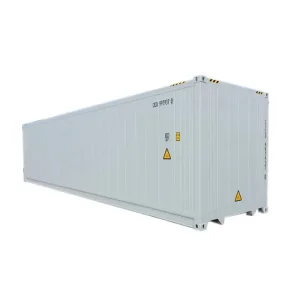
Buy New 40ft High Cube Thickened Foam Insulation Container Factory, Exporters
View Specifications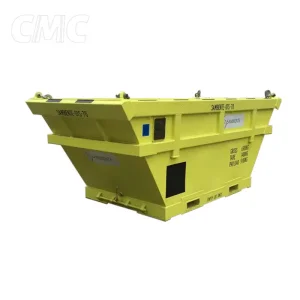
Famous DNV Certification Silt Basket Container Used in Offshore Operations Factories, Exporters
View Specifications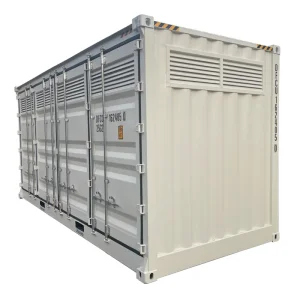
Famous 20FT High-cube Dangerous Goods Container Side Open Door with Ventilation Opening Manufacturer, Exporter
View Specifications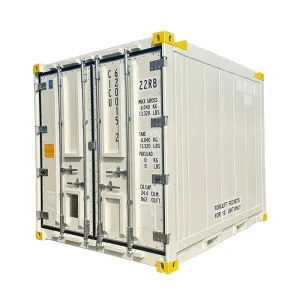
High-Quality New 10ft Certified Thermo King Freezer Container Exporter, Manufacturers
View Specifications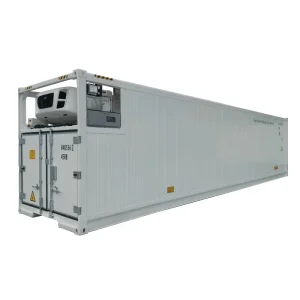
Famous New 40-foot high cube & 45-foot "Belt and Road" railway refrigerated container. Product, Products
View Specifications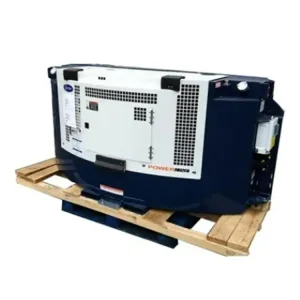
China Refrigerated container diesel generator Exporter, Quotes
View Specifications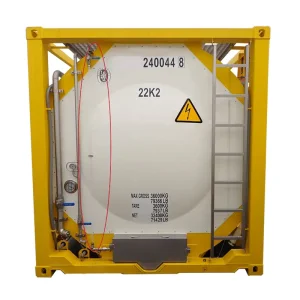
ODM 20ft Tank Container for Alcohol Manufacturer, Quotes
View Specifications